I recommend that every seller I work with in Anaheim Hills consider getting a home inspection before the property hits the market.
That surprises a lot of people. Most sellers think of the inspection as the buyer's problem. The buyer hires the inspector, the buyer reads the report, the buyer submits a list of demands. Why would you, as the seller, spend money to inspect your own home?
Because in a market where 86% of home inspections uncover issues requiring attention and buyers are negotiating an average of $14,000 off the sale price based on inspection findings, knowing what is in your home before a buyer does is not a cost. It is a strategic advantage.
I am Brian Kidd with Canyon Realty. I hold both a real estate broker license and a mortgage broker license (CA DRE# 01901810), and I have been selling homes in Anaheim Hills for over 20 years. Here is exactly why I believe sellers should go first on the inspection, what it costs, what it covers, and how it changes the dynamic of your entire transaction.
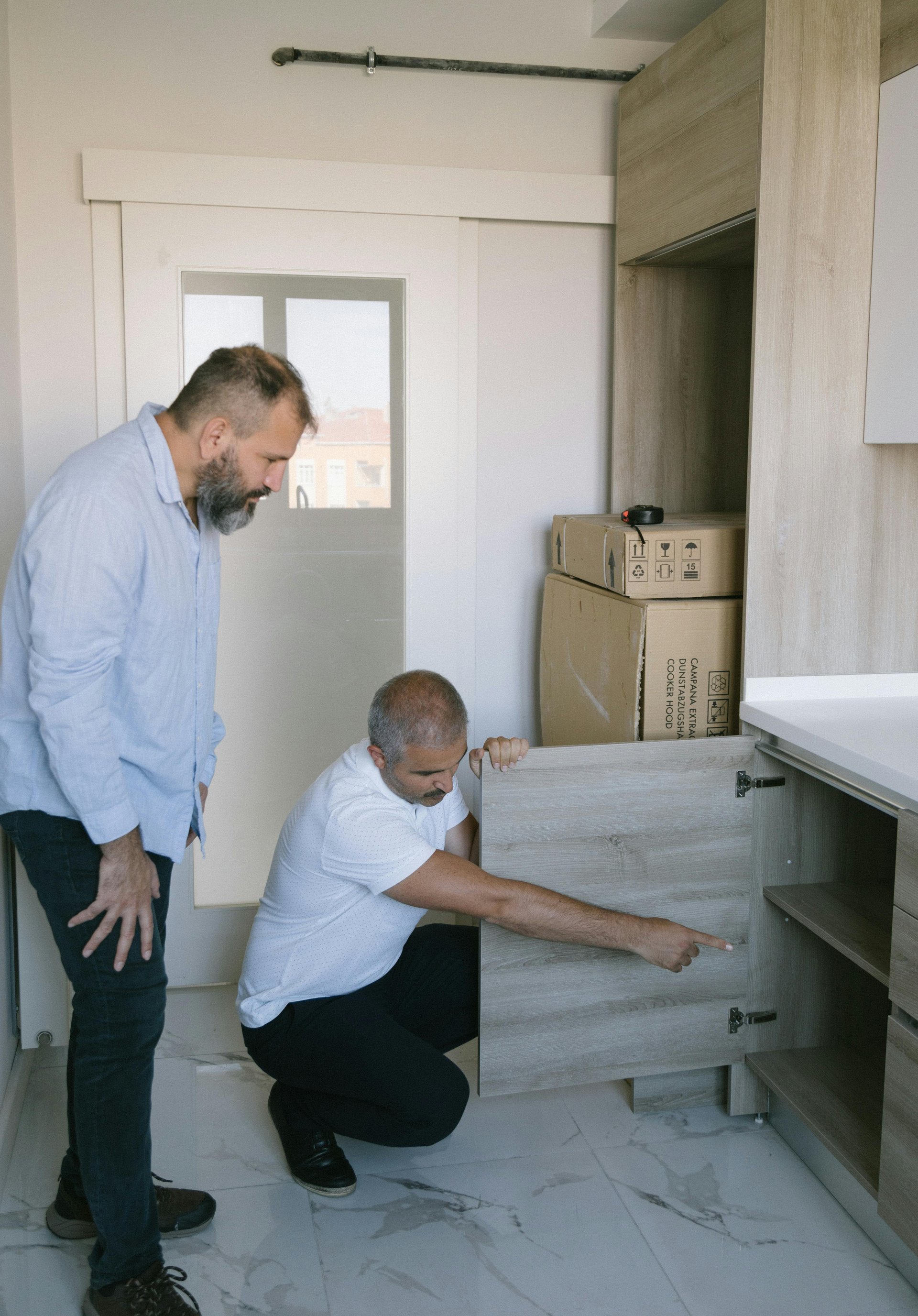
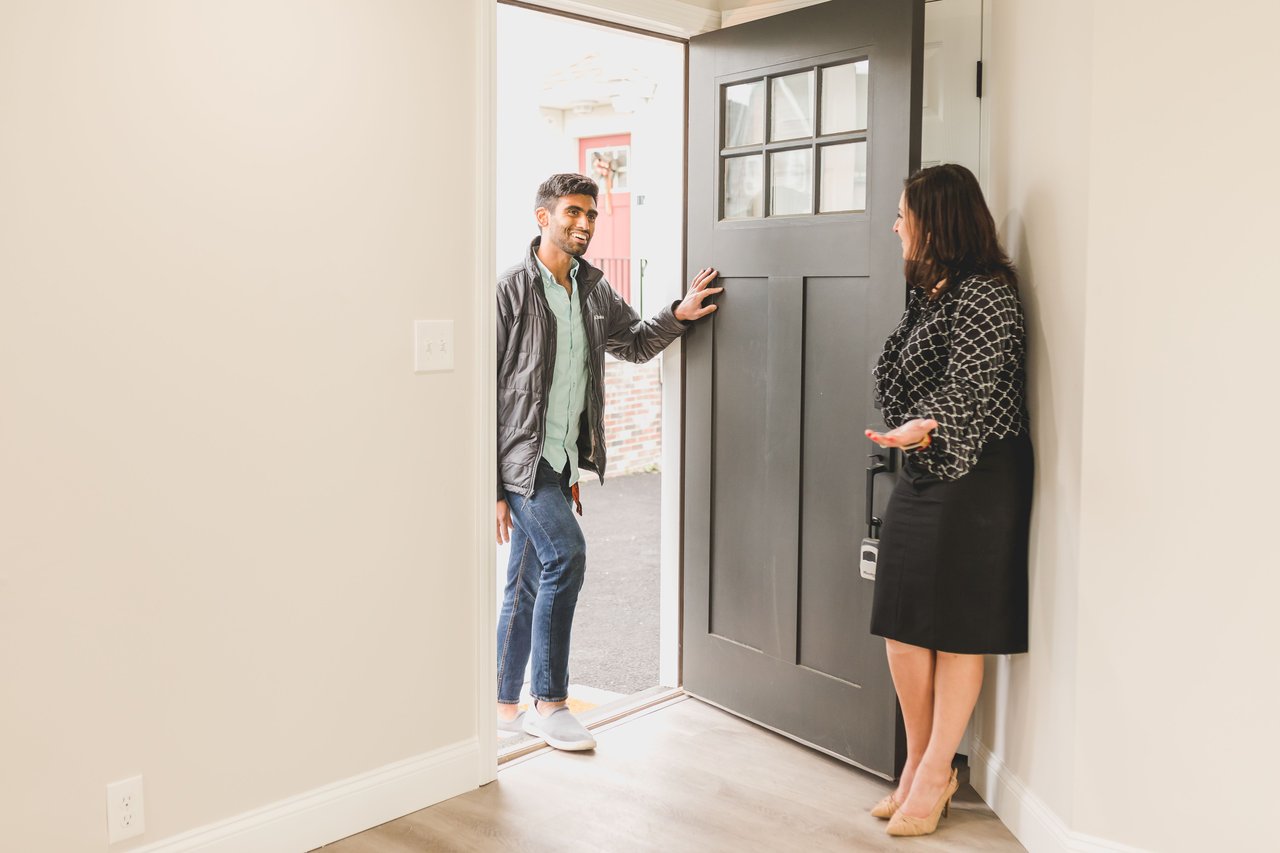
In competitive markets like Anaheim Hills, proactive sellers are choosing pre-listing inspections to avoid last-minute surprises and build buyer confidence.
What a Pre-Listing Home Inspection Actually Is
A pre-listing home inspection is the same inspection a buyer would order, but you do it before you list the property. A licensed home inspector evaluates the home's major systems and structural components, including the roof, foundation, electrical, plumbing, HVAC, water heater, attic, crawlspaces, windows, doors, grading, and drainage.
The inspection typically takes 2 to 4 hours depending on the size and complexity of the home. You receive a detailed written report, usually within 24 to 48 hours, that documents the inspector's findings with photographs and descriptions of any issues.
In California, a standard home inspection costs between $400 and $700 for most single-family homes. For homes in the 1,500 to 2,000 square foot range, expect to pay $500 to $600. Larger Anaheim Hills properties with complex systems, multiple HVAC units, or extensive roofing may run $700 to $800 or more.
That is a fraction of the cost of the problems this inspection can prevent.
The Numbers That Should Convince Every Anaheim Hills Seller
The data on home inspections and deal outcomes is clear, and it all points in one direction: sellers who know their home's condition before listing have better outcomes than those who do not.
According to data compiled by Amerisave and industry sources, 86% of home inspections uncover issues that require attention. The most common problems found nationally include roof issues (19.7% of inspections), electrical problems (18.7%), and window defects (18.4%). These are not obscure findings. They are the issues that show up in the majority of inspection reports.
The financial impact is significant. Buyers negotiate an average of $14,000 off the sale price based on inspection findings. In a market like Anaheim Hills, where the median home price is well above $1 million, that number can run much higher depending on the scope of the issue. A failing HVAC system alone can cost $8,000 to $15,000 to replace, and a buyer who discovers one during their inspection has significant power to demand a credit or price reduction.
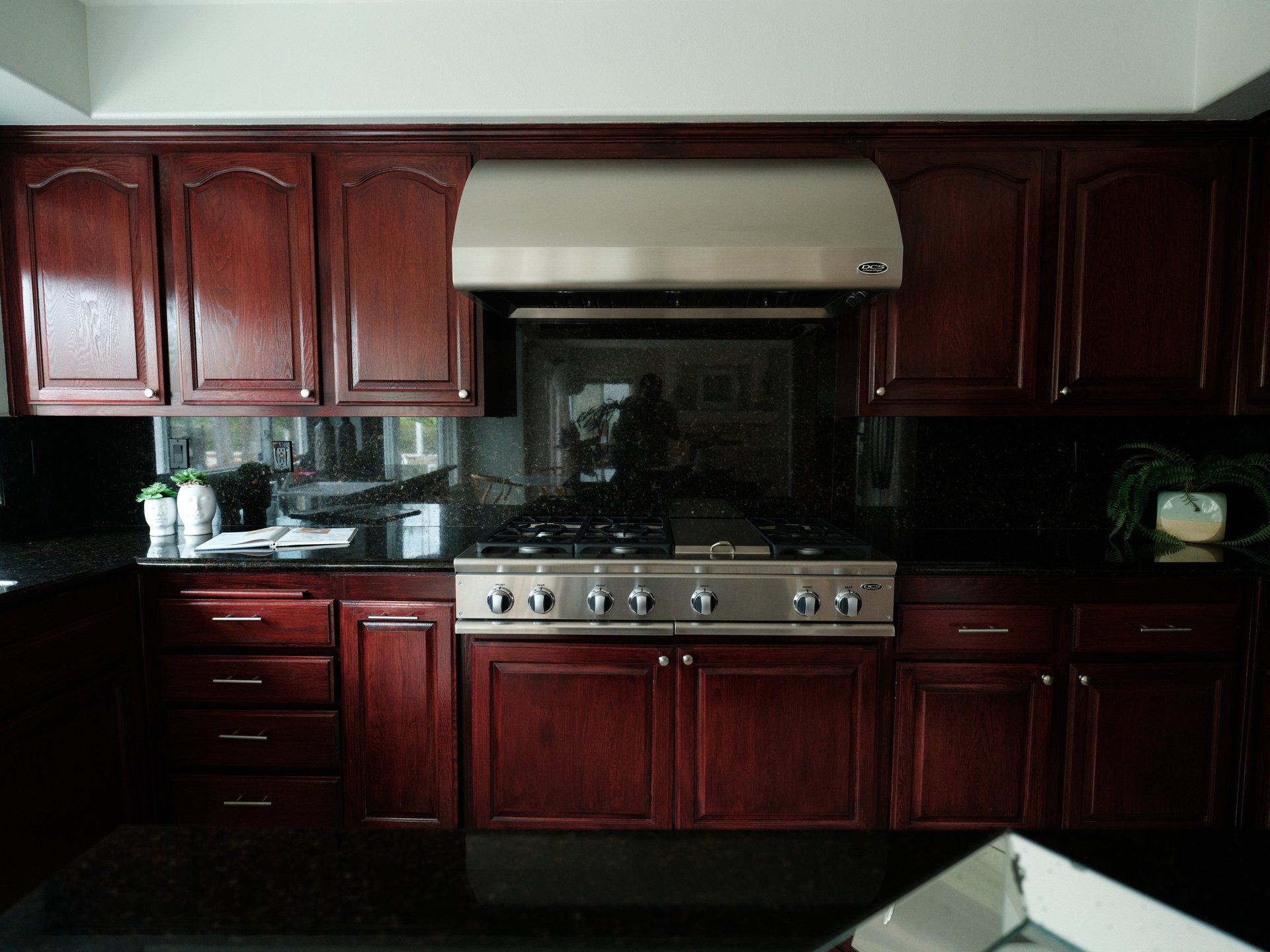
Kitchens sell homes. Identifying and addressing issues early can make all the difference to buyers.
According to the National Association of Realtors' November 2025 Realtors Confidence Index Survey, 15% of contracts experienced delayed settlements, with inspection issues frequently cited as the cause. The same NAR data shows that approximately 6% of contracts were terminated outright before closing. A separate Redfin analysis found that roughly 56,000 home purchase agreements were canceled in August 2025 alone, equal to 15.1% of homes that went under contract. That was the highest August cancellation rate recorded since Redfin began tracking in 2017.
The top reason deals fell apart? Inspection and repair issues. In a Redfin survey of 443 agents who handled cancellations, 70% reported that inspection-related problems were the primary driver.
Meanwhile, 46% of buyers used inspection results to negotiate repairs or credits, according to the NAR Realtors Confidence Index data. That means nearly half of all buyers are using the inspection as a negotiation tool against the seller.
A $400 to $700 pre-listing inspection that lets you address these issues on your own terms, before a buyer uses them as a bargaining chip, is one of the best investments you can make when selling a home.
Why This Matters Specifically in Anaheim Hills
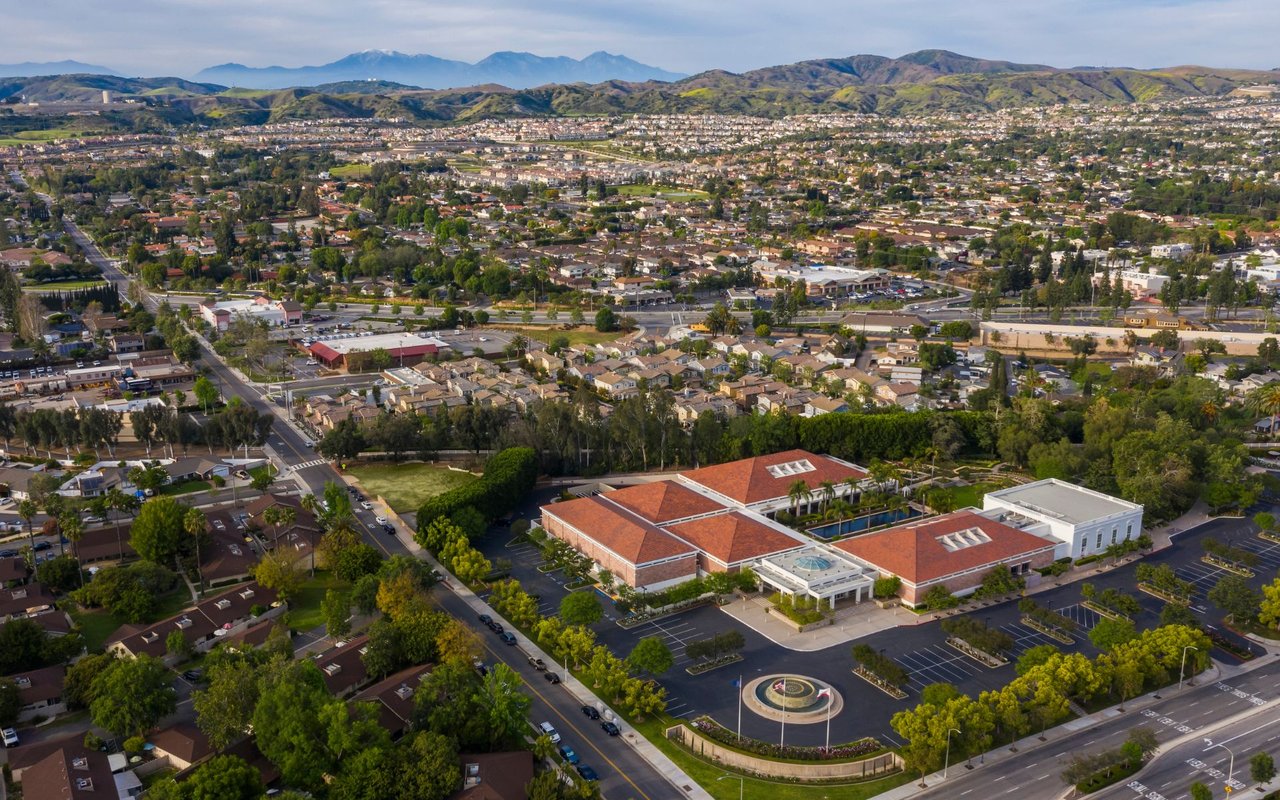
Anaheim Hills is not a generic housing market. The topography, construction era, and community structure create inspection dynamics that are specific to this area.
Hillside construction and grading. Anaheim Hills was built into the hills, which means many properties sit on graded lots with retaining walls, engineered slopes, and drainage systems. A buyer's inspector will examine these elements closely. Slope erosion, retaining wall cracks, inadequate drainage, and hillside settlement are all issues that can trigger major buyer concerns. If you live on a hillside lot in communities like Copa de Oro, Peralta Hills, or Hidden Canyon, having a pre-listing inspection that documents the condition of your slopes and retaining walls removes uncertainty for the buyer and reduces their ability to negotiate aggressively.
Age of housing stock. Much of Anaheim Hills was developed in the 1970s, 1980s, and 1990s. Homes in the 30 to 50 year age range commonly have issues with original polybutylene or galvanized plumbing, aging electrical panels, worn roof systems, and HVAC units nearing or past their expected lifespan. A pre-listing inspection identifies which of these systems need attention now and which still have useful life remaining.
HOA considerations. Anaheim Hills has more than 40 distinct HOA communities. Some HOAs maintain exterior elements like roofing and painting, while others leave everything to the homeowner. Knowing exactly where the HOA's responsibility ends and yours begins, and documenting the condition of the elements you are responsible for, prevents confusion during the buyer's due diligence.
View property scrutiny. Homes with canyon, city light, or mountain views in Anaheim Hills command significant premiums, sometimes 5% to 20% above comparable homes without views. Buyers paying a premium price apply premium scrutiny. They hire thorough inspectors and often add specialty inspections (sewer scope, chimney, geotechnical review) beyond the standard report. A pre-listing inspection shows these buyers that you take the property's condition as seriously as they do.
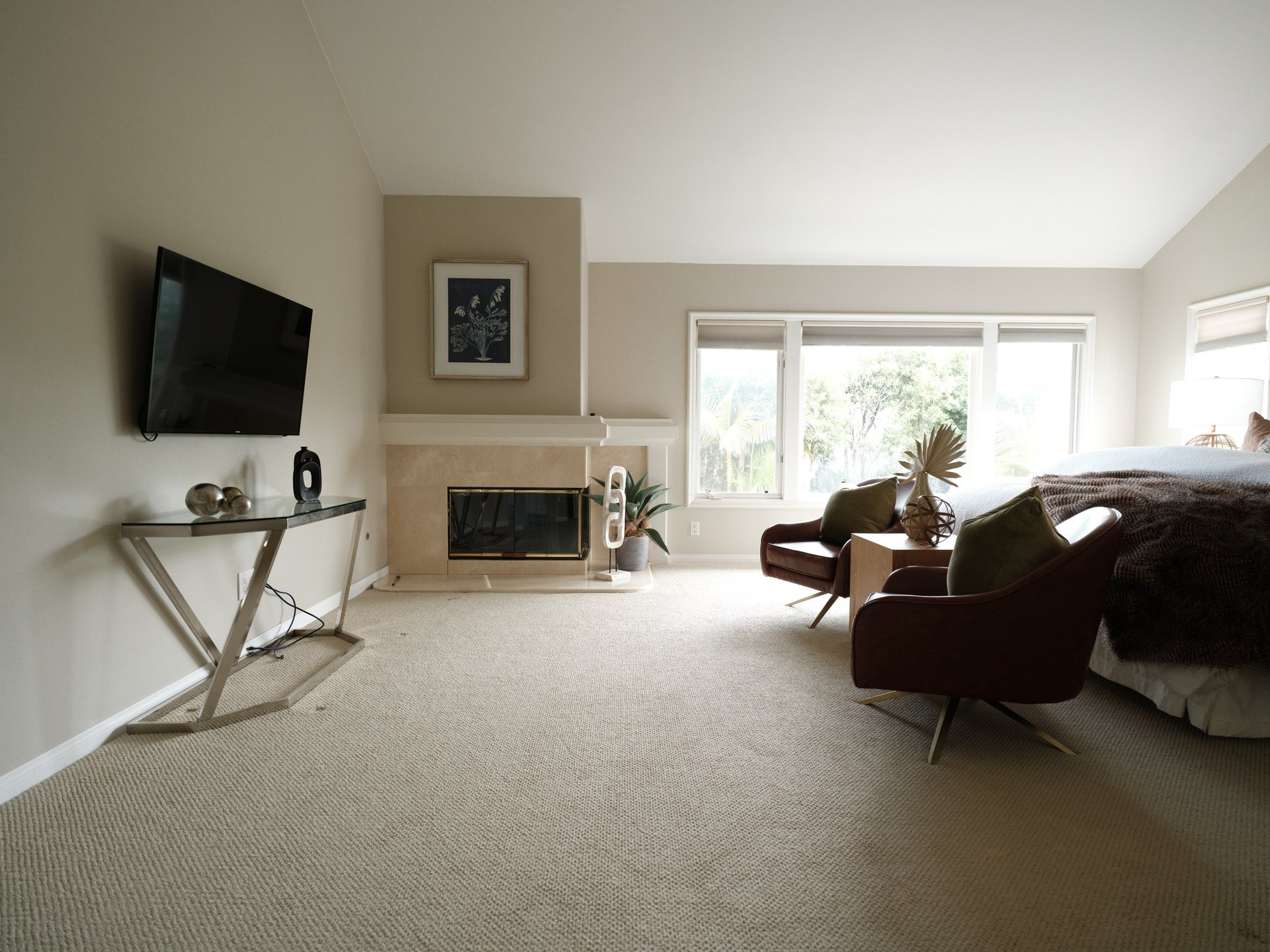
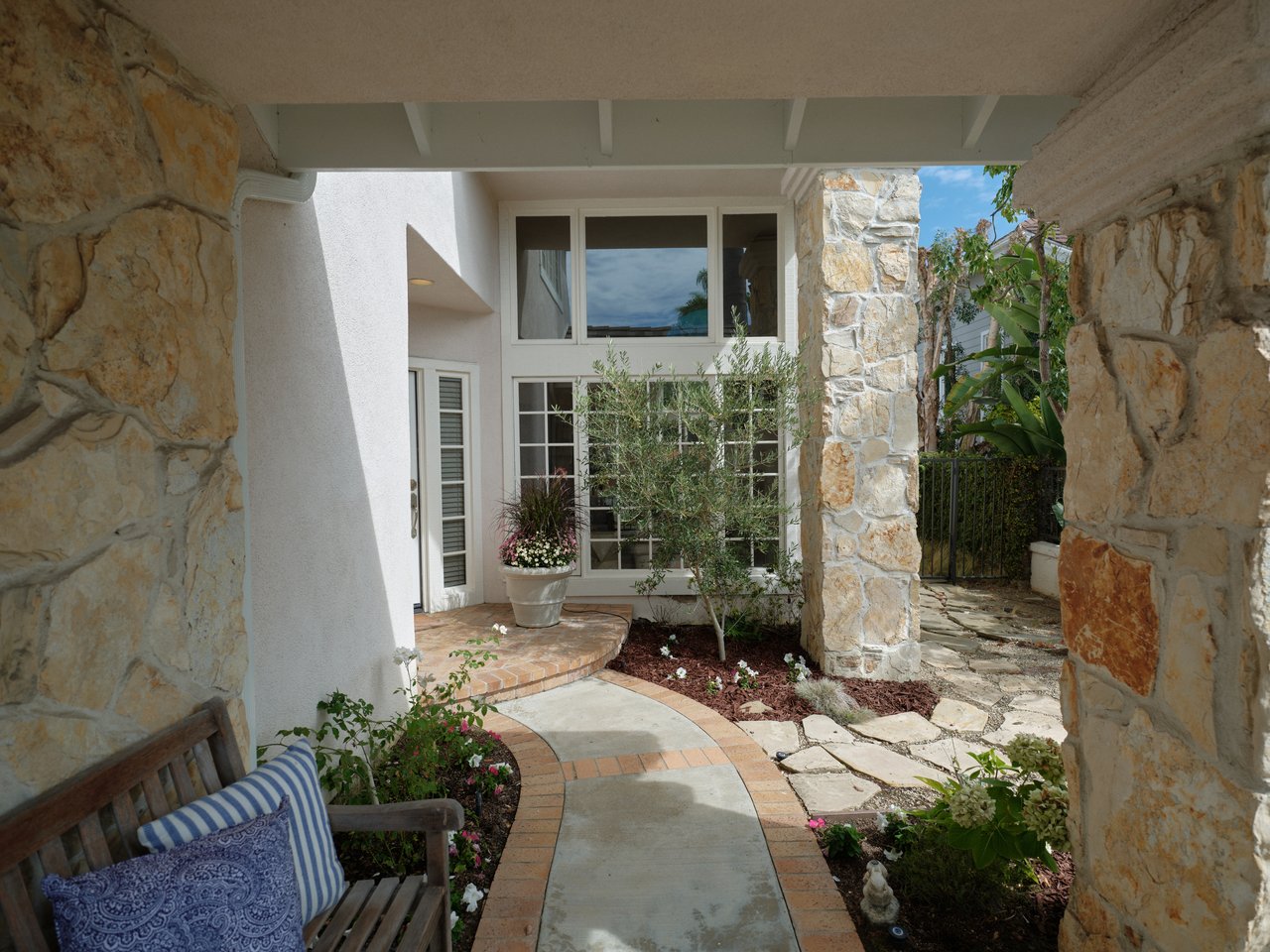
In Anaheim Hills, well-maintained living spaces backed by a pre-listing inspection can boost buyer confidence.
What a Pre-Listing Inspection Gives You as a Seller
The advantages are practical, not theoretical. Here is what changes when you inspect before listing.
You control the repair timeline and cost. When a buyer's inspection uncovers a problem, you are negotiating under pressure. The buyer has the upper hand because they can walk away or demand a steep credit. You are on the clock because the contingency period is ticking. Contractors know this, and emergency repair bids during escrow are almost always higher than they would be if you had time to shop for quotes. When you discover an issue before listing, you can get multiple bids, choose the contractor and price that work for you, and complete the work on your schedule.
You set the pricing accurately. If your home needs a new roof and you know that before listing, you can factor the cost into your pricing strategy. If you choose to replace the roof before listing, you can price the home as if it has a new roof, because it does. If you choose not to replace it, you can price accordingly and disclose the condition upfront. Either way, the buyer is not surprised, and the negotiation stays focused on the overall value rather than devolving into a repair-by-repair argument.
You reduce the risk of a deal falling through. The data is unambiguous: inspection issues are the number one reason real estate deals fall apart. A Redfin survey of agents found that 70% of recent cancellations were driven by inspection and repair problems. When you address significant issues before listing, or disclose known conditions upfront with the inspection report, you dramatically reduce the likelihood that a buyer backs out during their contingency period.
You signal confidence to buyers. Providing a completed inspection report to potential buyers tells them you have nothing to hide. This is especially powerful in Anaheim Hills, where hillside construction and property age can create buyer anxiety. A clean inspection report, or one that shows issues you have already addressed, builds trust and can result in stronger offers with fewer contingencies.
You maintain your negotiating position. According to the NAR Realtors Confidence Index, 80% of buyers include an inspection contingency in their offer. That contingency gives the buyer the upper hand. When you have already completed your own inspection and addressed the findings, the buyer's inspection is less likely to produce surprises. Their bargaining power diminishes. Your position as the seller stays strong through the negotiation.
What a Pre-Listing Inspection Does Not Do
I want to be direct about the limitations as well, because this needs to be a clear-eyed decision.
A pre-listing inspection does not replace the buyer's inspection. The buyer has every right to hire their own inspector, and they almost certainly will. Your inspection gives you information and control. It does not eliminate the buyer's due diligence.
A pre-listing inspection may uncover issues you were not aware of. Under California law, once you are aware of a material defect, you are required to disclose it. This means if the inspection reveals a problem, you cannot hide it. You must include it on your Transfer Disclosure Statement. However, I view this as a benefit, not a risk. Undisclosed defects that surface during a buyer's inspection create far bigger problems than known issues that are documented and addressed upfront. California disclosure law exists to protect both parties, and full transparency almost always leads to smoother transactions.
A pre-listing inspection is an additional upfront cost. At $400 to $700, it adds to your pre-listing expenses alongside photography, staging, and any repairs. For a home valued at $1 million or more, this cost represents less than 0.07% of the sale price. Compared to the $14,000 average negotiation that buyers extract from inspection findings, the math is not close.
My Recommendation for Anaheim Hills Sellers in 2026
The current market conditions make this more important than ever. Active listings in Orange County have been rising, with inventory jumping from 2,823 to 3,069 in a single week in early February 2026. New listings nearly doubled week over week. Buyers have more choices than they had a year ago, and they are more selective.
At the same time, the 30-year fixed mortgage rate has dropped to 6.09% as of February 12, 2026, according to Freddie Mac. This is the lowest level in over three years, and it is bringing more buyers into the market. Purchase applications are running ahead of last year, and weekly pending home sales hit their highest level in several years.
What this creates is a market with both motivated buyers and meaningful competition among sellers. The homes that sell quickly and at the best price are the ones that are priced correctly, presented professionally, and free of surprises. A pre-listing inspection addresses the third element directly.
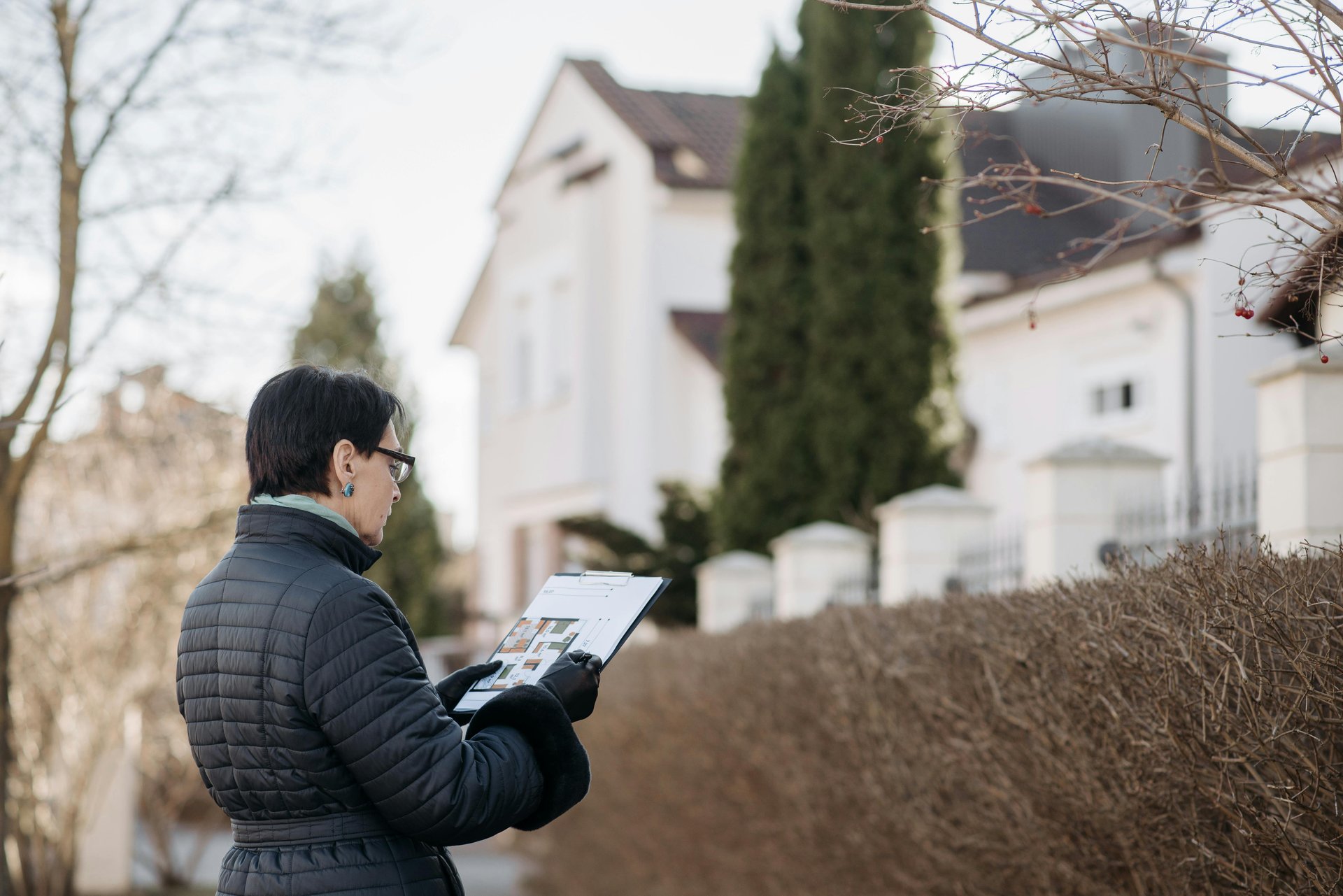
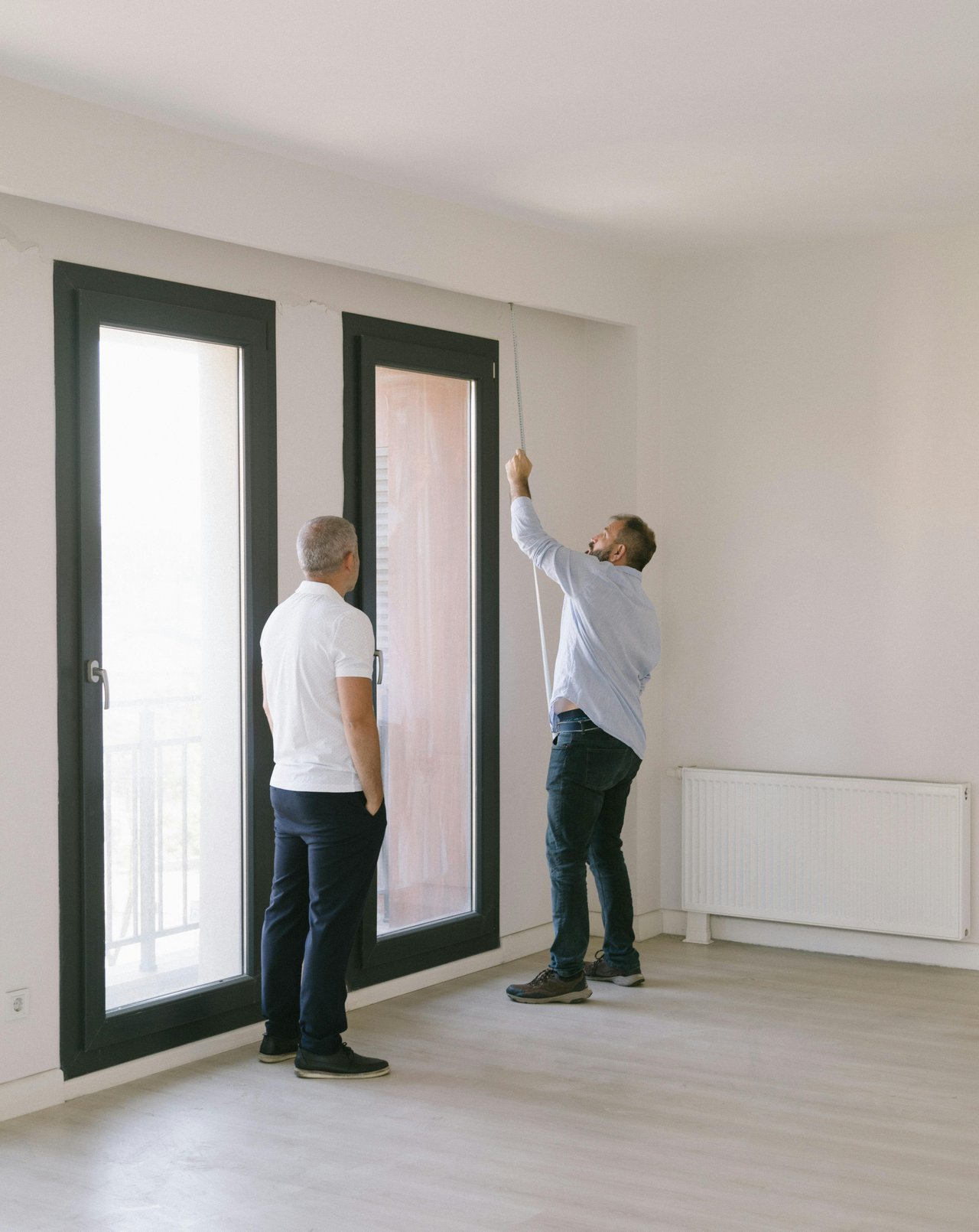
A pre-listing inspection gives sellers a clear understanding of their home’s condition before going to market.
Here is my specific recommendation for Anaheim Hills sellers preparing to list:
Order a general home inspection from a licensed California home inspector. Budget $400 to $700 depending on your home's size. Ask the inspector for a detailed report with photos.
For hillside properties, also consider a separate evaluation of your retaining walls, slope drainage, and grading. Buyers' inspectors will look at these closely, and having documentation ready keeps the transaction on track.
Order a termite (wood-destroying pest) inspection. This is standard in California real estate transactions and typically costs $75 to $150. The Section 1 findings (active infestation or damage) are the items that most commonly trigger buyer repair requests.
Review the findings with your agent before listing. I walk through every inspection report with my sellers and help them decide which items to repair before listing, which to disclose and price accordingly, and which are normal maintenance items that do not require action.
Make the completed inspection report available to buyers. This does not mean you have to share it publicly. It means that when a serious buyer is evaluating your home, they can review your inspection report, see that you have been proactive, and make their offer with confidence.
If you are selling in Anaheim Hills, Yorba Linda, Brea, Villa Park, or anywhere in North Orange County, this is one of the simplest steps you can take to protect your sale price and keep your transaction on track. I have seen it prevent deal-killing surprises on dozens of transactions. I have never seen it backfire.
Frequently Asked Questions
How much does a pre-listing home inspection cost in Anaheim Hills?
A standard home inspection in Orange County costs between $400 and $700 for most single-family homes. Properties in the 1,500 to 2,000 square foot range typically fall in the $500 to $600 range. Larger homes with complex systems or multiple HVAC units may cost $700 to $800 or more. Additional specialty inspections, such as sewer scope ($150 to $300), chimney inspection ($150 to $250), or termite inspection ($75 to $150), are separate costs.
Do I have to disclose the results of a pre-listing inspection to buyers?
Under California law, sellers are required to disclose all known material facts that could affect the property's value or desirability. Once a pre-listing inspection reveals an issue, that issue becomes a known fact and must be disclosed on the Transfer Disclosure Statement. This is a consumer protection that benefits both parties. In practice, disclosing known issues upfront leads to smoother negotiations and reduces the risk of post-sale legal disputes.
Will a pre-listing inspection eliminate the need for the buyer's inspection?
No. Buyers have the right to hire their own inspector regardless of whether you provide a pre-listing report. However, buyers who review a seller's inspection report often feel more confident about the property and may be less likely to use their inspection as an aggressive negotiation tool. In competitive situations, a pre-listing report can differentiate your listing from others on the market.
What are the most common issues found in Anaheim Hills home inspections?
National data shows the most common inspection findings are roof issues (19.7%), electrical problems (18.7%), and window defects (18.4%). In Anaheim Hills specifically, hillside grading and drainage, aging plumbing in homes built in the 1970s and 1980s, worn HVAC systems, and retaining wall condition are among the most frequent findings. Homes near canyon edges may also have vegetation management and fire clearance items.
When should I schedule the pre-listing inspection?
Schedule the inspection 4 to 6 weeks before your planned listing date. This gives you time to receive the report, get repair bids if needed, complete any work, and have the results ready for buyers. Listing in spring 2026 means inspecting in February or March for most sellers.
Sources
-
Amerisave, "The Ultimate Home Inspection Checklist for 2026." 86% of inspections uncover issues; $14,000 average negotiation; most common findings data. amerisave.com
-
National Association of Realtors, Realtors Confidence Index Survey, November 2025. 15% of contracts delayed; 6% terminated; 80% of buyers include inspection contingency; 46% use findings to negotiate. nar.realtor
-
Redfin, "How Often Do Contingent Offers Fall Through?" October 2025. 56,000 cancellations in August 2025 (15.1% rate); 70% of agents cite inspection issues as top driver. redfin.com
-
HomeLight, "Are Pre-listing Home Inspections Worth It?" January 2026. NAR delayed settlement data; pre-listing inspection benefits. homelight.com
-
iBuyer, "How Much Does a Home Inspection Cost in California?" February 2026. California inspection cost ranges by home size. ibuyer.com
-
Signature Property Inspection, "Home Inspection Cost in Orange County." $300 to $600 Orange County range. signaturemore.com
-
Freddie Mac PMMS, February 12, 2026. 30-year fixed rate at 6.09%. freddiemac.com
-
OC Real Estate Inc., Weekly Housing Report, February 2026. Active listings at 3,069; 611 new listings. ocrealestateinc.com
Brian Kidd is a licensed real estate broker and mortgage broker (CA DRE# 01901810) with Canyon Realty in Brea, CA. With over 20 years of experience and 40+ years living in North Orange County, Brian helps buyers and sellers across Yorba Linda, Anaheim Hills, Brea, Villa Park, North Tustin, Fullerton, and surrounding communities. Contact Brian at (714) 404-8152 or [email protected]. Visit canyonrealty.com.