Every spring and summer in Yorba Linda, the same fight breaks out in escrow. The seller pulls a chandelier on the way out the door. The buyer's parents fly in from Sacramento for a final walkthrough and notice the dining room is dark. Suddenly there is a $4,500 dispute over a fixture that nobody wrote into the contract, and a clean transaction starts to wobble three days before closing.
I have been selling real estate in Orange County for over 20 years, and I grew up in Yorba Linda. 40+ years of seeing the same arguments. The reason this happens is that almost no Yorba Linda seller, even sophisticated ones, walks into their listing with a clear answer to a simple question: when you sell a house in 2026, what stays with the home and what goes with you? In this guide I will give you the rules California uses, the rules buyers expect, the rules I push my own listing clients to follow, and a room-by-room breakdown so you do not lose money or sleep over a ceiling fan.
If you are getting ready to list your home, the simplest version of selling home what stays what goes comes down to one principle: anything physically attached to the house transfers to the buyer unless you write an exclusion into the contract. Anything not attached, including most furniture, art, and personal items, is yours to take. The arguments come from the gray zone in between, and that is where a 20-year broker earns the fee.
Quick Answer: What Stays and What Goes When You Sell a Home in Yorba Linda
Anything bolted, screwed, plumbed, hard-wired, mounted, or built in is presumed to convey to the buyer with the house. That includes built-in appliances, light fixtures, ceiling fans, window coverings, mounted TVs (the mount, not always the TV), garage door openers, doorbells, smoke detectors, mature landscaping, and pool equipment. Loose furniture, art, freestanding refrigerators, washer and dryer (in most cases), and personal property go with the seller. To remove a fixture you would otherwise convey, you must list it as an exclusion in the listing and again in the purchase contract before the buyer signs. Trying to swap or remove fixtures during the final walkthrough is the single most common reason a Yorba Linda escrow blows up in the last 72 hours.
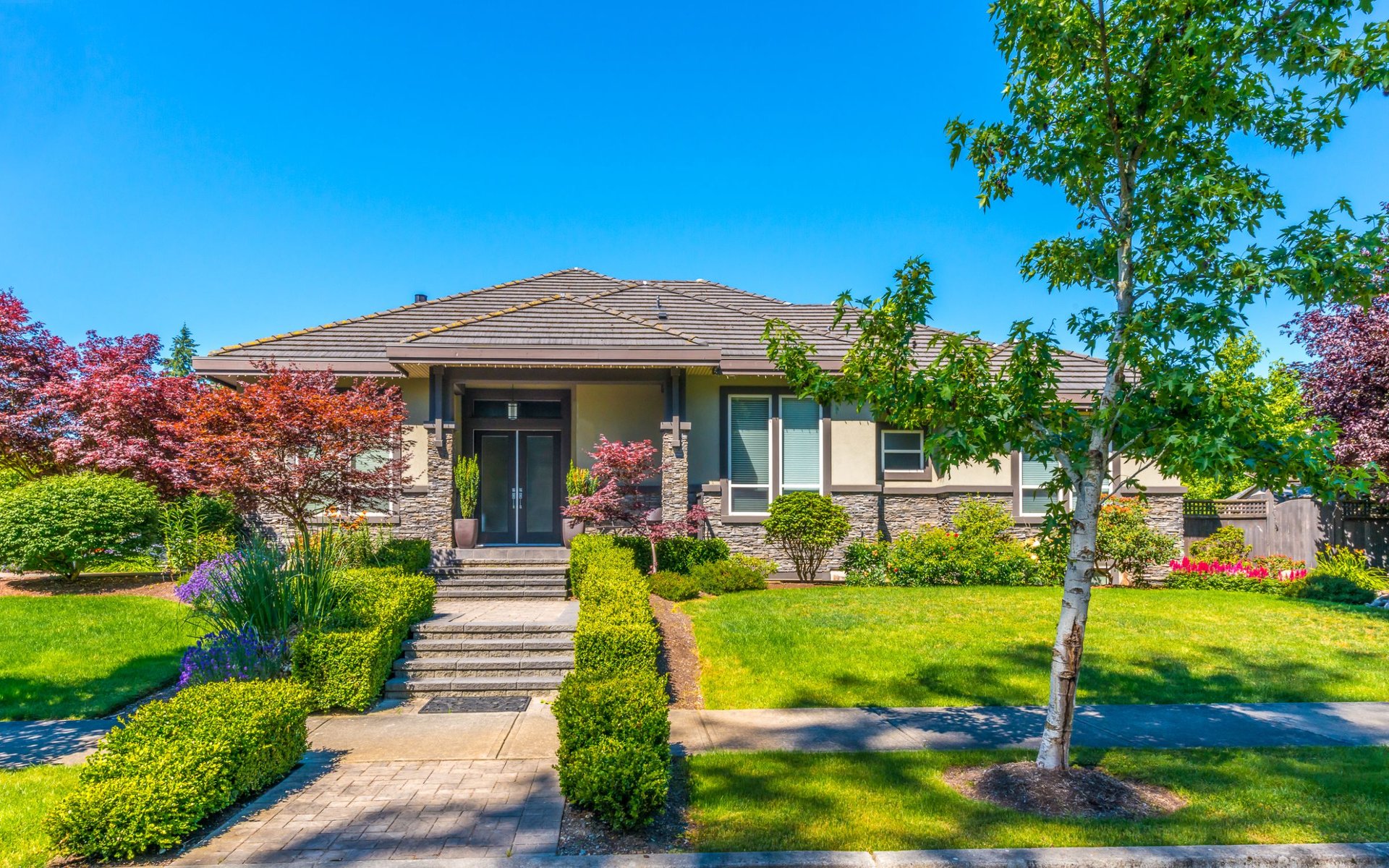
Mature landscaping, irrigation, even that walkway lighting: all of it conveys with the house by default. Call Brian Kidd at (714) 404-8152 before you list so nothing gets contested at closing.
The California Legal Standard: Fixtures vs. Personal Property
California real estate law uses the doctrine of fixtures, which is older than the freeway system. A fixture is personal property that has been attached to real property in a way that converts it into part of the real property. Once that happens, it transfers when the deed transfers. The standard residential purchase agreement that almost every Yorba Linda listing uses, the C.A.R. Residential Purchase Agreement, codifies this and lists specific items that automatically convey unless excluded in writing. As a Yorba Linda real estate agent who has read more of these contracts than I can count, I can tell you the document is more buyer-friendly than most sellers realize.
Courts in California use a four-part test to decide if something is a fixture: the method of attachment, the adaptability of the item to the property, the relationship of the parties, and the intention of the party making the attachment. In plain English: how is it stuck to the house, was it built or bought to fit this specific house, who put it there, and did they mean for it to stay. A custom-built bookcase sized to a specific wall in your East Lake Village home? That is a fixture, even if it is held in by four screws you could remove in twenty minutes. A standard freestanding bookcase from West Elm? That is personal property, even if it has been against the same wall for fifteen years.
The C.A.R. Residential Purchase Agreement automatically conveys fixtures, fitted floor coverings, attached appliances, light fixtures, ceiling fans, window screens, hardware, garage door openers, mailboxes, in-ground landscaping, and pool and spa equipment unless the seller specifically excludes them in writing.
The legal default matters because most disputes are won and lost on what was written, not what was meant. If your listing simply says "all fixtures included" and you intended to take the imported Italian sconces in the entry, you have a problem. If you listed the sconces as exclusions in the MLS remarks, in the seller's disclosure, and again in the purchase agreement under the exclusions section, you have a clean exit. The fix is documentation, not argument. I tell every Yorba Linda seller the same thing the day we sign a listing agreement: walk me through your house and tell me everything you want to take that a stranger might not assume goes with you. Then we write it down before the listing photos go up.
Always Included: The Items That Always Convey
There is a category of items that I will not let a Yorba Linda seller try to take without an explicit exclusion, because trying to take them costs you a buyer or costs you a lawsuit. These are the assumed conveyances. The buyer is expecting them on the day of closing because California contracts say so and because every other house they have toured included them.
Built-in appliances are at the top of this list. The dishwasher, the trash compactor, the wall oven, the cooktop, the built-in microwave, and any appliance that has been integrated into the cabinetry transfer with the house. A six-burner Wolf range that drops into a cutout, with cabinetry built around it, conveys. A Sub-Zero refrigerator that sits in a paneled niche with custom panels matching the cabinets conveys, even though a freestanding fridge usually does not, because it has been adapted to the property. I have seen sellers in Bryant Ranch try to swap the Sub-Zero for a $2,000 LG before closing. The buyer noticed at the final walkthrough. The deal almost died over a $9,000 appliance gap.
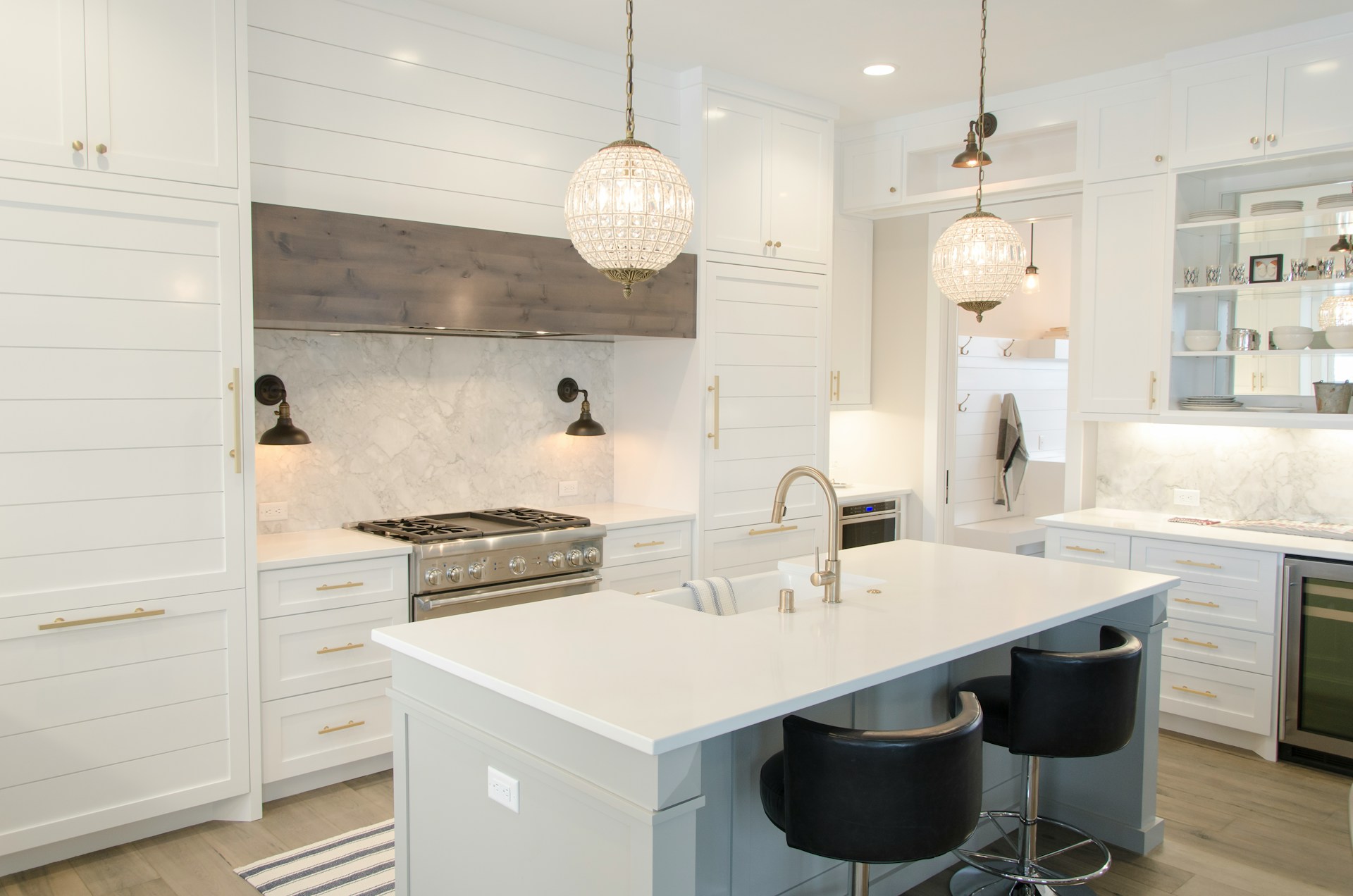
Light fixtures convey by default. Every fixture that is hard-wired into the ceiling, the walls, or the exterior of the home transfers to the buyer. That includes chandeliers, pendants, recessed cans, sconces, vanity bars, exterior lanterns, and anything controlled by a switch on the wall. If you have a dining room chandelier you brought from your parents' house in Yorba Linda 30 years ago and you cannot bear to leave it, you do not get to swap it for a Home Depot replacement the night before closing. You either exclude it in writing at the start of the listing or you replace it with a permanent fixture before the photos are taken and never list the original.
Ceiling fans convey. Window treatments convey, including blinds, shutters, drapery rods, and the drapes themselves. The rule is simple. If the rod is screwed into the wall, the rod and the panels both stay. If you want to take the imported silk drapes in the primary bedroom, exclude them and replace them with simple panels for showings. Smoke detectors, carbon monoxide detectors, doorbells (including video doorbells like Ring), garage door openers and remotes, mailboxes, fence sections, in-ground landscaping including mature trees, irrigation systems, pool and spa equipment, pool covers, and built-in fire pits all convey automatically. Solar panels are their own category and depend on whether they are owned, leased, or financed. We will handle that one in a separate section.
The Negotiable Middle: Items That Often Get Discussed
Between "always conveys" and "always personal property" sits a real estate gray zone that deserves its own conversation at the listing appointment. These are the items I see negotiated in Yorba Linda contracts more often than any others. Buyers ask. Sellers consider. The contract spells it out. Nothing left to chance.
Refrigerators are the headliner. A built-in or paneled fridge usually conveys. A freestanding fridge usually does not, but buyers in 2026 ask for it constantly, especially in the $1.2 million to $1.6 million price range where buyers are stretching their budgets and a $4,000 appliance feels like real money. My advice to most Yorba Linda sellers: include the fridge in the sale. Buyers feel like they got something. You probably were going to buy a new one for the next house anyway. The cost of carrying a refrigerator across town is more than you think.
Washer and dryer follow the same logic. They are personal property in California by default. They get negotiated into the deal in roughly half of the Yorba Linda transactions I close. If your washer and dryer are five years old and you are moving to a smaller place where they will not fit, leave them. The buyer will appreciate the gesture and you will save the cost of removal and replacement at the next house. If your laundry appliances are brand new and you specifically bought them for the next home, exclude them in writing on day one.
In the Yorba Linda market in 2026, including the refrigerator and the laundry pair in the sale typically costs the seller $2,500 to $5,000 in retained appliance value but earns goodwill that often translates into a smoother inspection negotiation worth several times that figure.
Outdoor furniture, BBQ islands, and patio sets sit in another negotiable zone. A built-in BBQ island with gas line, granite counter, and tile face is a fixture. It conveys. A freestanding Weber on wheels does not. A pergola attached to the house with bolts is a fixture. A freestanding shade structure is not. Playground sets and trampolines that are anchored into the ground? Anchored is a fixture. Free-standing on the lawn is not. The test is always the same: bolted, plumbed, or rooted means it stays unless excluded.
Mounted televisions are their own headache. The TV mount on the wall is a fixture and conveys. The TV itself is personal property and goes with the seller. The problem is that buyers see the TV mounted in the room and assume it stays, then are surprised at the final walkthrough when they find a hole in the drywall and the mount alone. My rule: if you are taking the TV, write that into the contract from the start, and patch the wall before showings if you are going to take it before closing. Better yet, take the TV down before showings entirely so buyers never see it on the wall.
Smart home devices are now a routine point of negotiation in Yorba Linda. A Ring doorbell wired into the door chime, a Nest thermostat replacing the old wall thermostat, a Lutron lighting system tied into the home's wiring, a Sonos amp built into a cabinet niche, security cameras mounted to the eaves: these are all fixtures. They convey. The seller's portable Echo Dot on the kitchen counter does not. If you have a smart home system you intend to take, talk to me before the listing goes live and I will help you decide whether to exclude it (with the buyer paying you for the equipment), strip it out before listing, or include it as a value-add. In 2026 buyers in Bryant Ranch and Travis Ranch increasingly expect a basic smart home setup to convey, and stripping it out can cost you in offers.
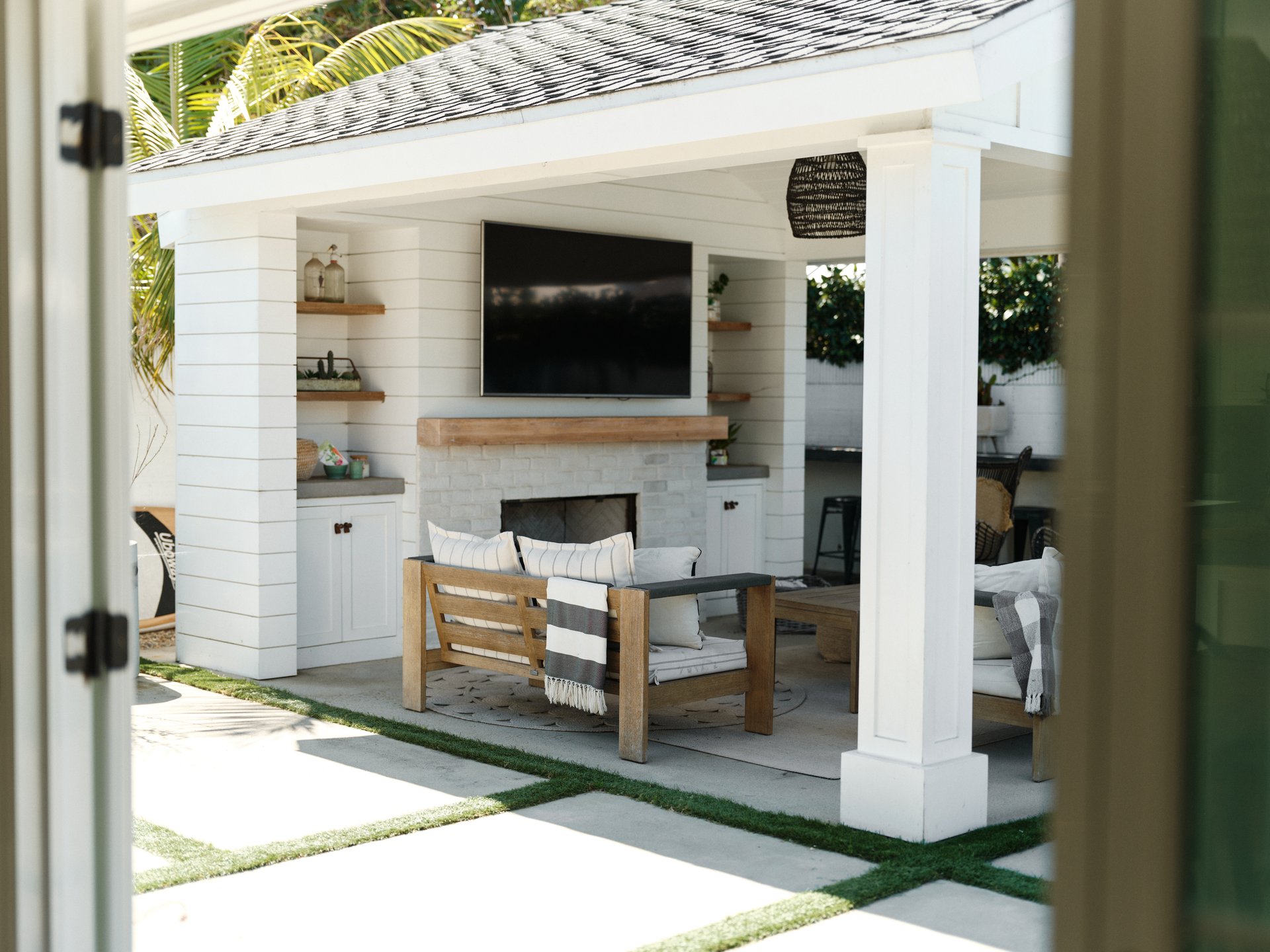
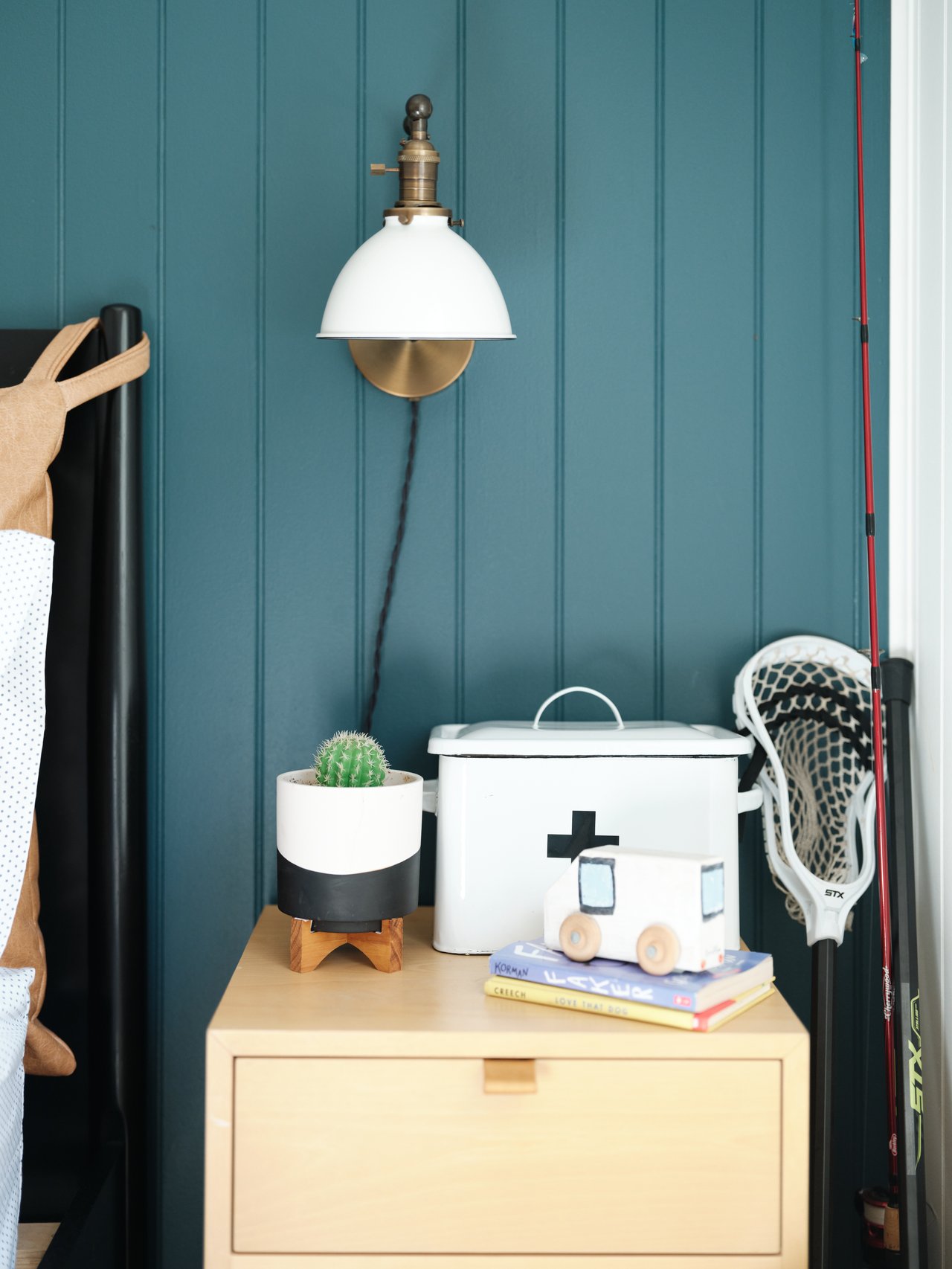
That mounted TV bracket stays with the house. The TV itself doesn't, unless you write it into the contract. Call Brian Kidd at (714) 404-8152 before listing so there's no surprise at the final walkthrough.
Yorba Linda Specific Issues: HOAs, Equestrian Properties, and Pools
What stays and what goes is not just a contract question. It is also a community question. Yorba Linda has features that are not common in many California cities, and the convey-or-not question lands differently in some neighborhoods than in others.
Inside Bryant Ranch and Travis Ranch, two of the master-planned communities I work in regularly, the HOA controls the exterior paint, the front yard landscaping in some sections, the perimeter fencing, and sometimes shared driveways or alley spaces. None of that is yours to remove. You do not get to take the bougainvillea on the front fence because you planted it. Once it is in the ground, it is the home's. HOA-assigned features such as exterior light fixtures that match the community palette also stay. If you replaced your community-standard porch light with a custom Restoration Hardware lantern at some point, you can either leave it or swap it back to a community-compliant fixture before the listing, but you cannot take the custom one and leave the buyer with no porch light. As your Yorba Linda real estate agent, I keep an eye out for HOA-controlled fixtures during the listing walkthrough so we do not miss them.
If you own one of the equestrian properties in Yorba Linda's Horse Country or in Hidden Hills, the convey question gets specific. A barn is a fixture. Stalls inside the barn are typically fixtures. Tack room cabinetry is a fixture. Loose horse panels, freestanding round pens, and arena footing additions are usually personal property because they are not anchored. Hay you have stored in the loft is personal property. The horse itself is, obviously, personal property and not part of the real estate transaction, though I have had to clarify that in print more than once.
Pool homes raise their own conveyance questions. Pool equipment conveys. That includes the pump, the filter, the heater, automatic chlorinators, salt cells if you have a salt system, and any in-ground cleaning systems like the Polaris robotic cleaner that lives in the pool. Pool toys, floats, and skimmer nets are personal property and go with you. Pool covers, especially the automatic ones with motors, are fixtures and stay. Solar pool heating panels mounted on the roof are fixtures and stay.
Solar Panels: Their Own Universe
Solar panels deserve their own section because they are the single most confused conveyance issue in Yorba Linda real estate in 2026. With Southern California Edison rates where they are and with so many Bryant Ranch and Kerrigan Ranch homes converting to solar over the past decade, almost every other listing I take has solar to deal with.
The first question is ownership. Are the panels owned outright, financed, or leased? If they are owned, they are fixtures and they convey to the buyer with the house at no additional cost. The transfer is clean. If they are financed through a loan secured by the home, the loan typically must be paid off at closing out of the seller's proceeds, the same way a HELOC or a second mortgage gets cleared at closing. If they are financed through an unsecured loan that is in your name and not attached to the title, you have to either pay it off before closing or arrange to keep paying it after closing. Buyers do not assume your unsecured solar loan.
If they are leased, the lease must be assumed by the buyer or bought out by the seller before closing. This is where deals die. Solar lease assumptions are slow, lender-dependent, and frequently surprise buyers who did not realize the panels they thought they were getting actually belonged to a third party for the next 12 years. As a licensed broker and mortgage lender, CA DRE# 01901810, I have seen the lender side of this many times: buyer's lender refuses the lease assumption, lease company refuses an early buyout, escrow extends, buyer walks. The fix is to disclose the solar arrangement in the listing, in the seller's disclosures, and in writing before the buyer signs anything. The earlier in the process the better.
In Yorba Linda in 2026, owned solar systems typically add $4 to $8 per watt of installed capacity to a home's value, while leased systems are largely value-neutral or slightly negative because they are an obligation the buyer must accept before they can buy the house.
What Always Goes With You: Personal Property and Sentimental Items
Some categories are non-negotiable on the seller's side. Your personal belongings are not part of the real estate. Clothing, books, art, photographs, collectibles, jewelry, and family heirlooms go with you regardless of how long they have been in the house. Furniture that is not built in (sofas, beds, dining tables, freestanding bookcases) is yours. Vehicles in the garage, including any RV or trailer parked on the property, are yours. Tools in the workshop are yours. Outdoor planters, terracotta pots, and other movable garden containers are personal property unless they are in-ground.
Sentimental fixtures are where families get into trouble. A grandmother's chandelier that has hung in the dining room of a Fairmont home since 1998 is, legally, a fixture. It conveys. The right way to keep it is not to wait until walkthrough and try to sneak it out. The right way is to call me at (714) 404-8152 at the listing appointment and say, "the chandelier in the dining room comes with me." I write it into the listing as an exclusion. We replace it with a permanent fixture before photos so it never appears in the marketing or in any showings. The buyer never sees the original on the wall, never assumes it is theirs, and there is no fight at closing.
This is a place where my probate and trust sale experience matters. I have guided families through Yorba Linda probate home sales where 40 years of accumulated belongings need to be sorted into "convey to the buyer" and "keep for the family." Selling a home after a loss is different from selling one as a planned move, and the conveyance rules need to be applied with extra care because the person who knew which fixtures had personal meaning is not always available to ask. If your family is approaching a probate or inherited property sale, do not let the conveyance question become a source of friction with siblings or grandchildren. Document everything before the listing goes live.
Conveyance Reference Table for Yorba Linda Sellers
The table below summarizes the most common items I get asked about during Yorba Linda listing appointments in 2026. Default treatment is what California's standard contract assumes. The seller can always change the default by writing an exclusion or by negotiating an inclusion.
Common items in a Yorba Linda home and their default treatment under the standard 2026 California Residential Purchase Agreement
The single most important takeaway from this table: if you want to deviate from the default in either direction, you have to put it in writing, and you have to do it at the listing stage, not the closing stage. A clean home valuation, a clean listing, and a clean contract all start with this conversation. If you want to know what your Yorba Linda home is worth before deciding which items to include, request a free home valuation and we will discuss strategy at the same appointment.
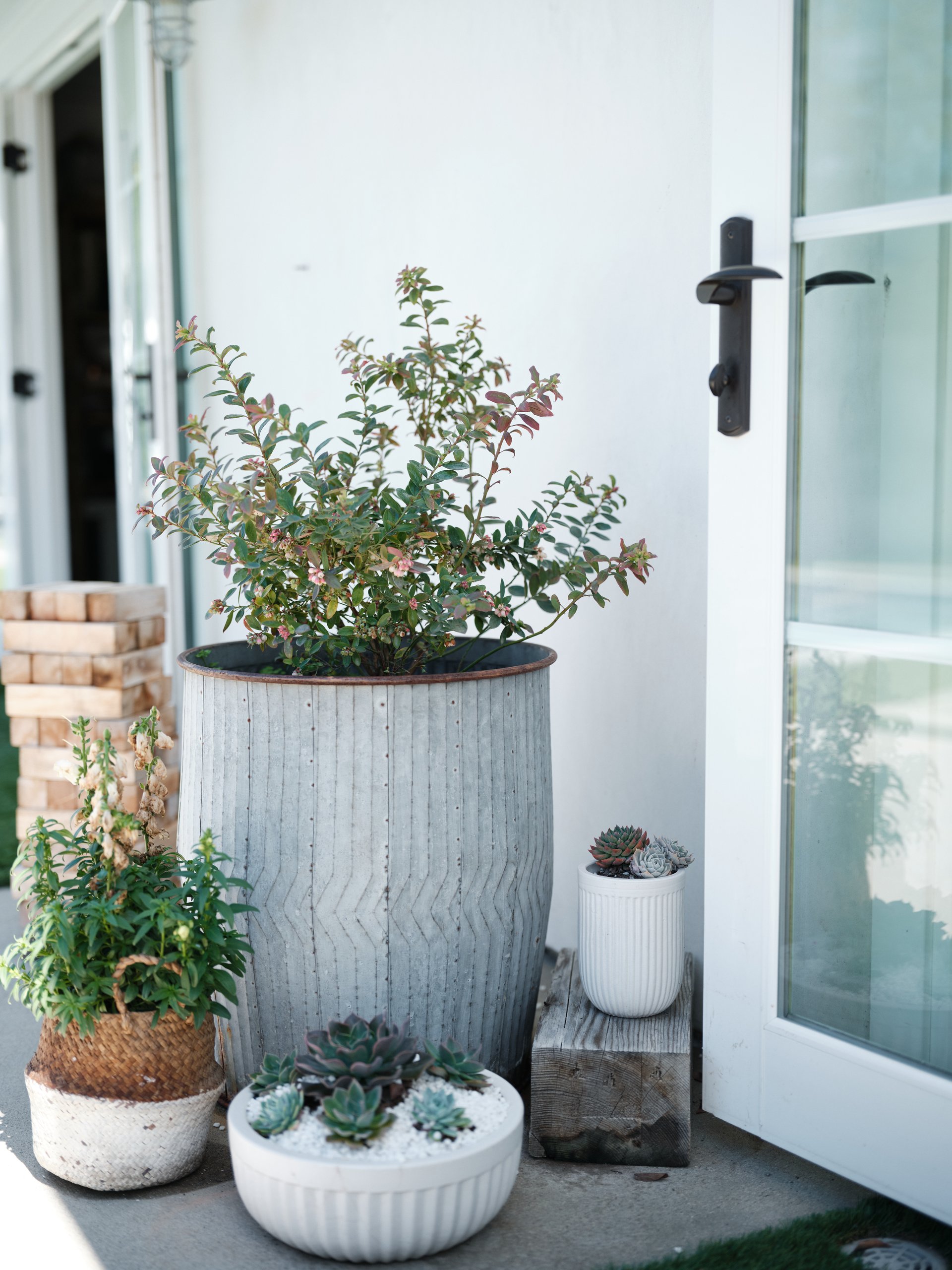
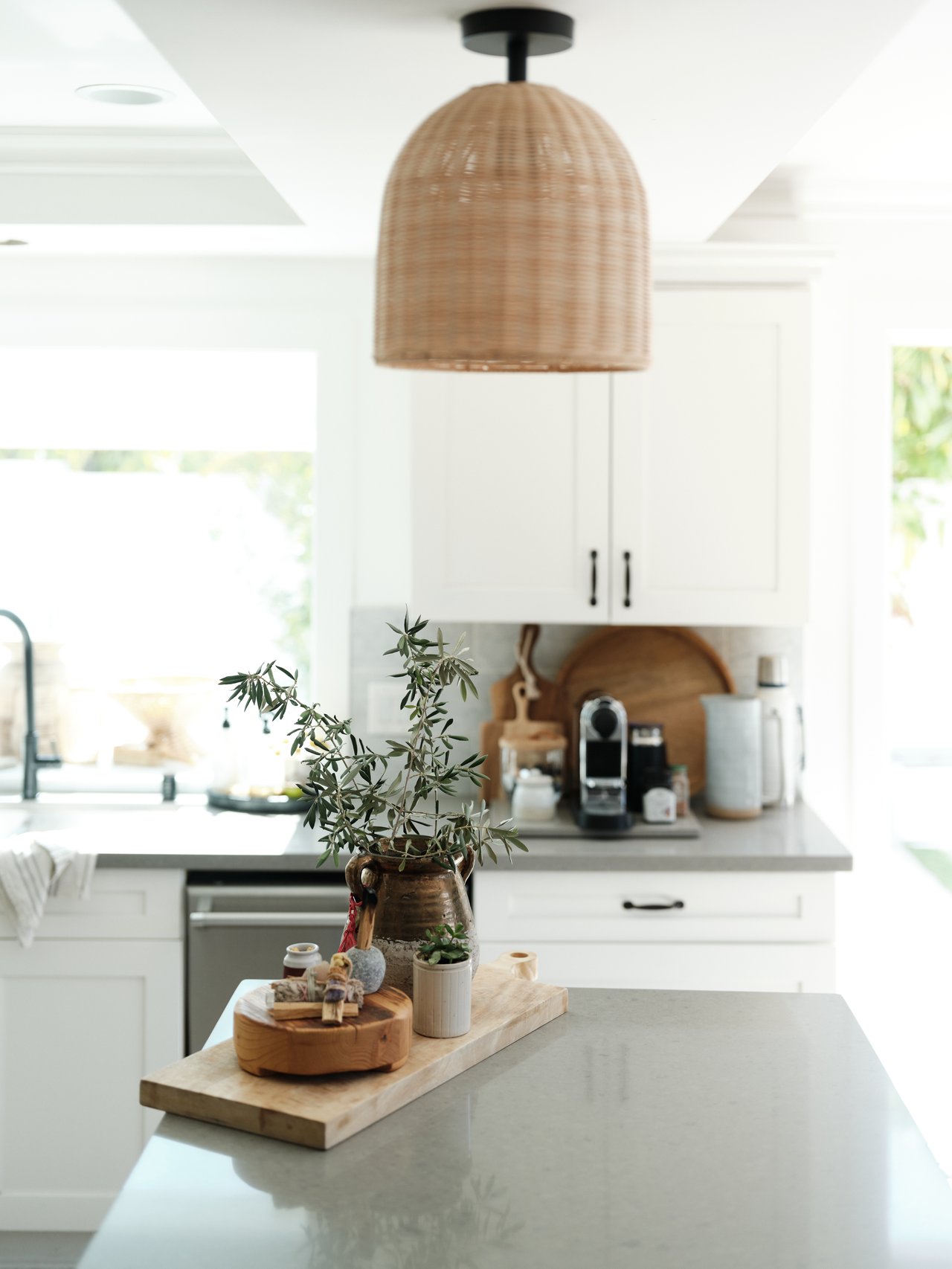
A potted plant is personal property. Plant the same one in the ground and it becomes part of the house. Small details like this matter when you're getting ready to sell in Yorba Linda.
How To Handle The Final Walkthrough Without Drama
The final walkthrough is the moment when the buyer walks the property one last time, usually within 72 hours of closing, to confirm the condition is the same as it was on the day they entered into contract. This is where almost all conveyance disputes surface. The fixture has been removed, the appliance has been swapped, the chandelier is missing, the wall mount is gone with the TV. The buyer's agent calls. The escrow officer calls. Suddenly closing is in jeopardy.
Here is the playbook I run with every Yorba Linda seller, refined over more than two decades: First, exclusions go in writing at the listing appointment, before MLS, before photos. Second, anything you intend to take is removed and replaced with a comparable fixture before photos are taken so the buyer never sees it during the marketing process. Third, no swaps after the listing goes live. If you decide later that you want to take an item, it is too late. The buyer has already formed an expectation. You either leave it or pay the buyer for it. Fourth, walk the property yourself the night before the final walkthrough and look for anything missing or different from the day the buyer first toured. Take photos. If you are surprised, the buyer will be too.
I have closed hundreds of transactions in Anaheim Hills, Yorba Linda, and Villa Park where the final walkthrough went five minutes long, the buyer signed off, and we funded the next morning. The only difference between those deals and the ones that almost died at the eleventh hour was that everyone knew what was conveying before the listing went live. The conveyance question is not complicated. It just requires that someone, usually me, force the conversation in the first hour of the engagement instead of the last.
Frequently Asked Questions
What automatically conveys when I sell my Yorba Linda home in 2026?
Anything physically attached to the house transfers with the deed under the standard California Residential Purchase Agreement. That includes built-in appliances, all hardwired light fixtures and ceiling fans, window coverings and rods, blinds and shutters, doorbells (including Ring), garage door openers, smoke and carbon monoxide detectors, in-ground landscaping, irrigation systems, pool and spa equipment, owned solar panels, and any custom built-ins like bookcases or paneled refrigerators that have been adapted to the cabinetry.
Can I take my dining room chandelier when I sell?
Yes, but only if you exclude it in writing in the listing agreement and again in the purchase contract before the buyer signs, and only if you replace it with a permanent comparable fixture before the listing photos are taken. You cannot remove it the night before closing and expect the buyer to accept the change. If the chandelier appears in marketing photos and is not listed as an exclusion, the buyer is legally entitled to it on closing day.
Does the refrigerator stay with the house in Yorba Linda?
A freestanding refrigerator is personal property and does not convey by default, but in roughly half of Yorba Linda transactions in the $1 million to $1.8 million range the buyer asks for it and the seller agrees. A built-in or paneled refrigerator like a Sub-Zero with custom cabinet panels is treated as a fixture because it has been adapted to the property, and it conveys with the house unless specifically excluded.
What happens to my leased solar panels when I sell?
Leased solar panels do not convey automatically. The lease must either be assumed by the buyer (with the lease company's approval and the buyer's lender's approval) or bought out by the seller before closing. Solar lease assumptions are one of the most common reasons Yorba Linda escrows extend or fall apart in 2026, so disclose the lease in the listing, in the seller's disclosures, and start the assumption or buyout process the day the home goes under contract.
Do washer and dryer go with the house?
Washer and dryer are personal property under California's default contract and stay with the seller unless negotiated. In Yorba Linda, including the laundry pair in the sale is a common goodwill gesture, especially for sellers who are downsizing, who bought new appliances for the next home, or who do not want to pay to move them. The cost of leaving them is usually less than the cost of moving and replacing.
What if the seller takes something they were supposed to leave?
The buyer can refuse to close, can demand a credit at closing equal to the value of the missing item, or can sue for specific performance to require the item be returned. The cleanest fix is always pre-closing: the buyer's agent identifies the missing item at the final walkthrough, the seller's agent contacts the seller, and the seller either returns the item or agrees to a credit before funding. Hundred-dollar items often get resolved with a $250 credit just to keep the deal moving.
Are smart home devices included when I sell?
Smart home devices that are hardwired into the house, such as a Ring video doorbell tied into the existing door chime, a Nest thermostat replacing the old wall thermostat, a Lutron lighting system, ceiling-mounted security cameras, or built-in audio amplifiers, are fixtures and convey to the buyer. Portable smart speakers, freestanding cameras, and any device that simply plugs into a wall outlet are personal property and go with the seller.
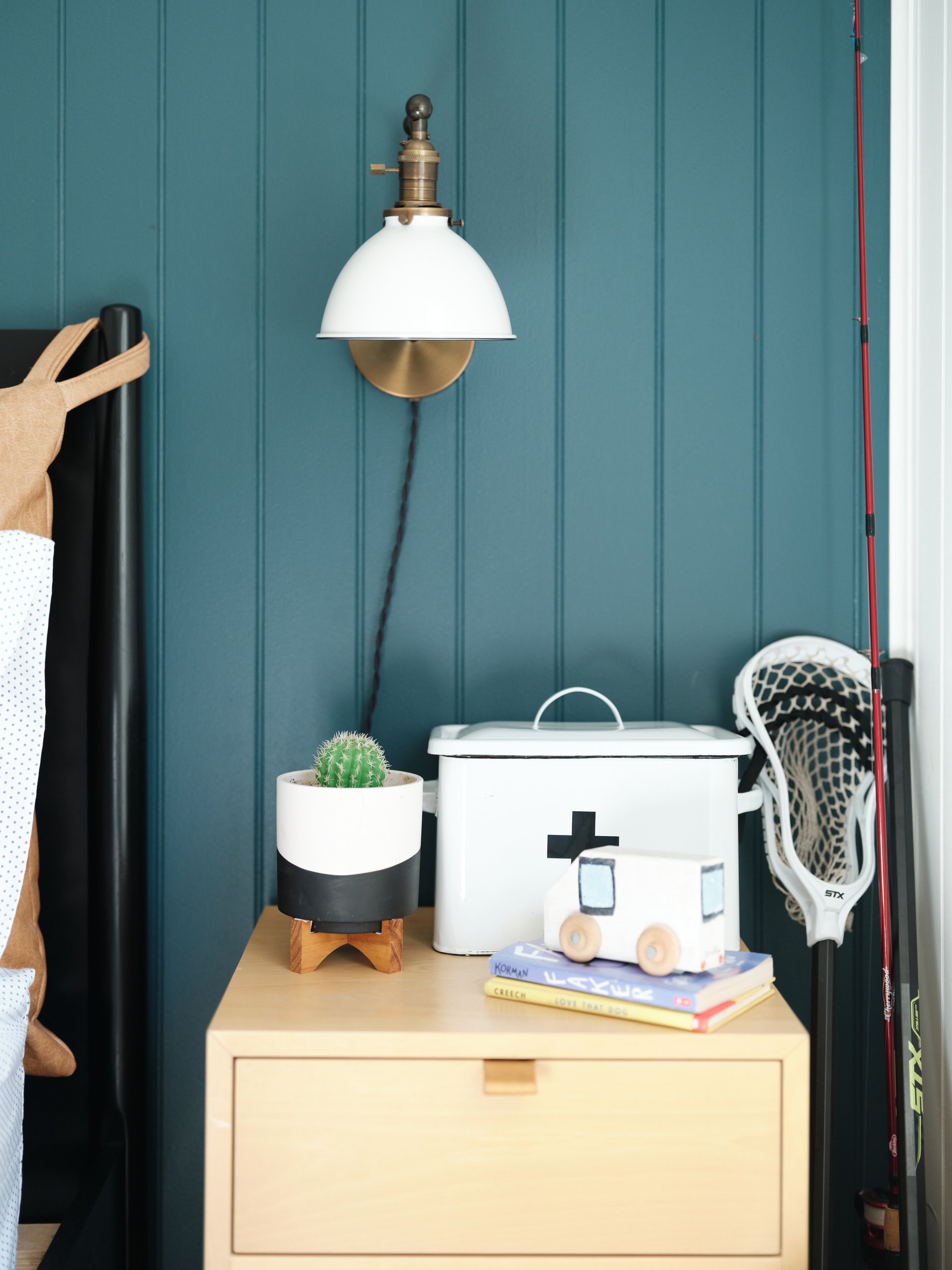
Hardwired fixtures stay. Everyday items go. It sounds simple until you're standing in your own house trying to decide which is which. That's where 20+ years of experience helps.
Selling Your Yorba Linda Home With Brian Kidd at Canyon Realty
I have been selling real estate in Orange County for more than 20 years and I grew up in Yorba Linda. 40+ years of roots in this town, with kids who went through the local schools and a network of contractors, escrow officers, and inspectors who I have worked with for two decades. As a licensed real estate broker and mortgage lender, CA DRE# 01901810, I bring both sides of the transaction to your listing: pricing strategy from the brokerage side, financing knowledge from the lender side, and a clean conveyance plan from day one so we do not lose your closing over a chandelier.
If you are thinking about selling in Yorba Linda in 2026 and you want a listing where the conveyance, the pricing, the staging, and the marketing are all sorted out before the photos are taken, call me at (714) 404-8152 or email me at [email protected]. Schedule a free listing consultation and we will walk your house room by room. If you also want to know what your home is worth before you decide, start with a free home valuation. I will tell you what I would price it at, what I would exclude, what I would include, and what I would replace before showings. Honest assessment, market-accurate pricing, no pressure.
For more on selling in this market, read our complete guide to selling your house in Yorba Linda in 2026, our data on how long it takes to sell in Yorba Linda, and our 2026 Yorba Linda home selling checklist. The right preparation, including a clean answer to selling home what stays what goes, is what separates a 15-day escrow from a 60-day escrow with three contingency extensions.