I am going to tell you something that most real estate agents will not say about Yorba Linda: the commute is the single most important factor you need to understand before you buy here. More important than the kitchen. More important than the school rating. More important than whether the house has a pool.
I have lived in Yorba Linda for over 40 years. I have driven the 91 Freeway thousands of times in every direction, at every hour, in every kind of traffic. I have watched the 241 Toll Road go from a novelty to a necessity for half the people I know. And I have clients who swear by Metrolink and clients who did not even know it existed until I told them. After four decades of commuting from this city and helping hundreds of families figure out the same puzzle, I know exactly what works, what does not, and what nobody tells you until it is too late.
This post is the honest version. I am going to give you real drive times, real costs, and real strategies based on where you actually work. If you are relocating to Yorba Linda or thinking about buying here, read this before you make an offer. Better yet, drive the commute yourself during peak hours. I tell every buyer to do this, and the ones who listen never regret it.

Thinking about buying in Yorba Linda? Drive the 91 Freeway during rush hour before you make an offer. This traffic defines daily life for many local commuters.
The 91 Freeway: The Highway That Defines Life in Yorba Linda
The 91 Freeway is Yorba Linda's lifeline. It runs east-west along the southern edge of the city, connecting Orange County to Riverside County. Every major route out of Yorba Linda touches the 91 at some point. If you live here, you will have a relationship with this freeway whether you want one or not.
Here is what you need to know.
The 91 is one of the most congested freeways in Southern California. It carries roughly 280,000 vehicles per day through the stretch between the 55 Freeway and the Riverside County line. That volume exceeds the road's design capacity during peak hours, which means traffic does not just slow down, it stops.
Peak westbound (morning) congestion runs from roughly 6:00 AM to 9:00 AM. Traffic backs up heading west toward Anaheim, the 57/91 interchange, and the 5 Freeway. If you work in central Orange County, Anaheim, Fullerton, or anywhere along the 5 corridor, this is your morning. The worst bottleneck is the 91/57 interchange where the two freeways merge. That interchange handles an enormous volume of traffic and creates a choke point that ripples back east toward Yorba Linda.
Peak eastbound (evening) congestion runs from roughly 3:30 PM to 7:00 PM. This is the reverse commute: Orange County workers heading home to Yorba Linda, Corona, and Riverside. The backup typically starts at the 91/55 interchange and extends east past the 241 junction and into Riverside County. On bad days, which happen at least twice a week, the eastbound crawl stretches for 10 or more miles.
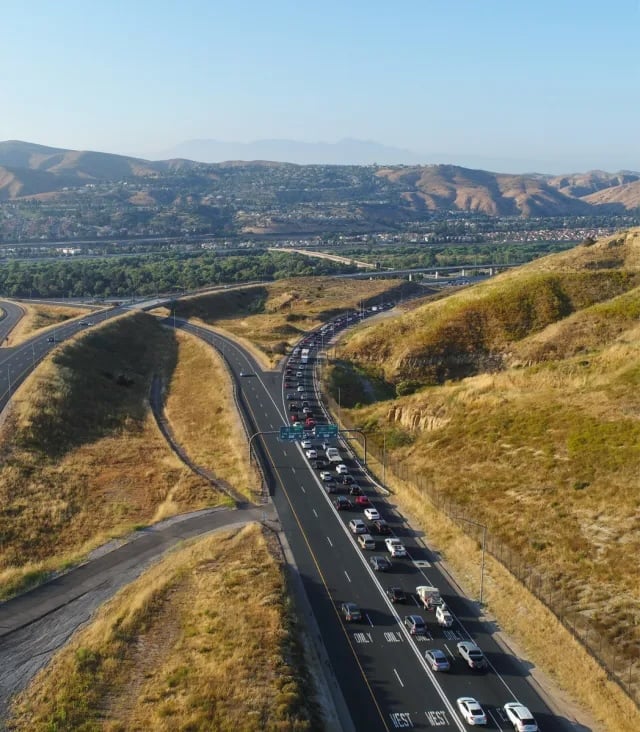
The 91 Freeway carries nearly 300,000 vehicles a day through Orange County. Understanding this traffic is essential before choosing a Yorba Linda commute.
I want to be specific about drive times because vague estimates help nobody.
Yorba Linda to downtown Anaheim (Angel Stadium area): 15 minutes off-peak, 30 to 45 minutes during morning peak westbound.
Yorba Linda to Irvine Spectrum: 25 minutes off-peak via the 241 Toll Road. 45 to 60 minutes during peak hours without the toll road (via the 91 to the 55 or 57 south).
Yorba Linda to downtown Los Angeles (Union Station area): 40 to 50 minutes off-peak. 75 to 90 minutes or more during peak hours. On truly bad days with an accident on the 57 or the 5, you can be looking at two hours.
Yorba Linda to John Wayne Airport: 25 minutes off-peak via the 241 to the 133. 40 to 55 minutes during peak via the 91 to the 55 south.
Yorba Linda to Ontario Airport: 25 minutes off-peak via the 91 east. 35 to 50 minutes during peak.
Yorba Linda to Corona / Riverside: 15 to 20 minutes off-peak via the 91 east. 30 to 50 minutes during peak eastbound evening hours when the entire 91 corridor is congested.
These are not worst-case numbers. These are typical. The worst case, usually triggered by a multi-vehicle accident on the 91 or the 57, can add 30 to 60 minutes to any of these routes. It does not happen every day, but it happens often enough that experienced commuters always have a backup plan.
A client of mine who relocated from Denver closed on a house in Travis Ranch in 2023. He commuted to Irvine. I told him to test the commute during rush hour before he made an offer. He drove it on a Tuesday at 5:15 PM using the 91 to the 55 south. It took him 58 minutes. Then he drove the same route the next morning at 7:30 AM. It took him 52 minutes. He called me that afternoon and asked about the 241 Toll Road. Once I showed him the toll road option, he adjusted his budget to account for the monthly toll cost and still bought the house. Two years later, he told me the toll road is the only reason the commute works for his family. Without it, he said he would have bought in Irvine.
That story is not unusual. I hear versions of it constantly. The commute is manageable from Yorba Linda, but only if you understand your options and plan for them.
The 91 Express Lanes: Paying for Speed
The 91 Express Lanes are two toll lanes in each direction in the median of the 91 Freeway, running from the 55 Freeway in Anaheim east to the 15 Freeway in Riverside County. The Orange County segment is owned and operated by the Orange County Transportation Authority (OCTA). The Riverside County segment is operated by the Riverside County Transportation Commission (RCTC). Source: OCTA, 91 Express Lanes.
Here is how they work and what they cost.
The Orange County segment uses congestion management pricing. Tolls vary by day of the week and time of day, with rates set on a schedule that OCTA adjusts periodically based on traffic volume data. The current toll schedule is effective July 1, 2025 through June 30, 2026. During peak commute hours, a one-way trip through the Orange County segment (from the 55 to the Riverside County line) typically costs between $5 and $12, depending on direction and time of day. Westbound morning peak and eastbound evening peak are the most expensive windows. Off-peak and weekend tolls drop significantly, sometimes to $2 or less. Source: 91 Express Lanes toll schedules.
The Riverside County segment uses dynamic pricing. Tolls change based on real-time traffic conditions, updating as frequently as every three minutes. The price displayed on the overhead sign when you enter is the price you pay, even if it changes during your trip. Minimum tolls range from $1.95 to $3.30 per segment depending on direction and distance. During heavy congestion, Riverside County tolls can spike well above the minimums. Source: 91 Express Lanes toll schedules.
You need a FasTrak transponder. Every vehicle on the 91 Express Lanes must have a FasTrak or FasTrak Flex transponder. There is no cash option and no pay-by-plate on the express lanes themselves. You can open an account at 91expresslanes.com or buy a transponder at participating Costco, AAA, and Albertsons locations.
The carpool discount is real and significant. Vehicles with three or more occupants ride the 91 Express Lanes free in most situations. The exception is eastbound Monday through Friday between 4:00 PM and 6:00 PM, when carpools of three or more get a 50 percent discount instead of free passage. You need a FasTrak Flex transponder set to the 3+ position. If you are a family with two or more kids and you all commute together (school drop-off and work, for example), this can save you thousands per year. Source: OCTA toll policies.
The math for a daily commuter. If you commute from Yorba Linda through the Orange County express lanes segment five days a week at peak hours, you are looking at roughly $8 to $12 per trip, or $16 to $24 per day round trip. At 22 working days per month, that is $350 to $530 per month just for the express lanes. Over a year, that is $4,200 to $6,400. This is a real household expense and I counsel every buyer to build it into their monthly budget alongside the mortgage, property tax, and insurance. Some of my clients decide the cost is worth it for the time savings and predictability. Others restructure their schedule to avoid peak hours entirely. Both are valid strategies.
I personally use the express lanes selectively. If I have a client meeting in Irvine at 9:00 AM and it is 8:15, I will pay the toll because being late costs me more than the $8. But on a flexible day when I can leave at 10:00 AM after the peak breaks, I save the money and take the general purpose lanes. Most long-term Yorba Linda residents develop this kind of instinct for when the toll is worth it and when it is not.
The 241 Toll Road: Yorba Linda's Back Door to South Orange County
If the 91 Freeway is Yorba Linda's lifeline, the 241 Toll Road is its escape hatch. The 241 runs from its northern terminus at the 91 Freeway on the Anaheim/Yorba Linda border south through the foothills to Oso Parkway near Rancho Santa Margarita. It connects to the 261 Toll Road and the 133 Toll Road, which together provide a freeway-speed route into Irvine, Lake Forest, Mission Viejo, and eventually the 5 Freeway and John Wayne Airport. Source: The Toll Roads.
The 241 is a completely different driving experience than the 91. It runs through the eastern Orange County foothills with minimal congestion. On a typical weekday, you can drive from the 91 interchange to the 133 junction in Irvine in about 15 to 18 minutes at the speed limit. There are no traffic lights, no cross streets, no pedestrians. It is the kind of drive that reminds you Southern California used to have open space.
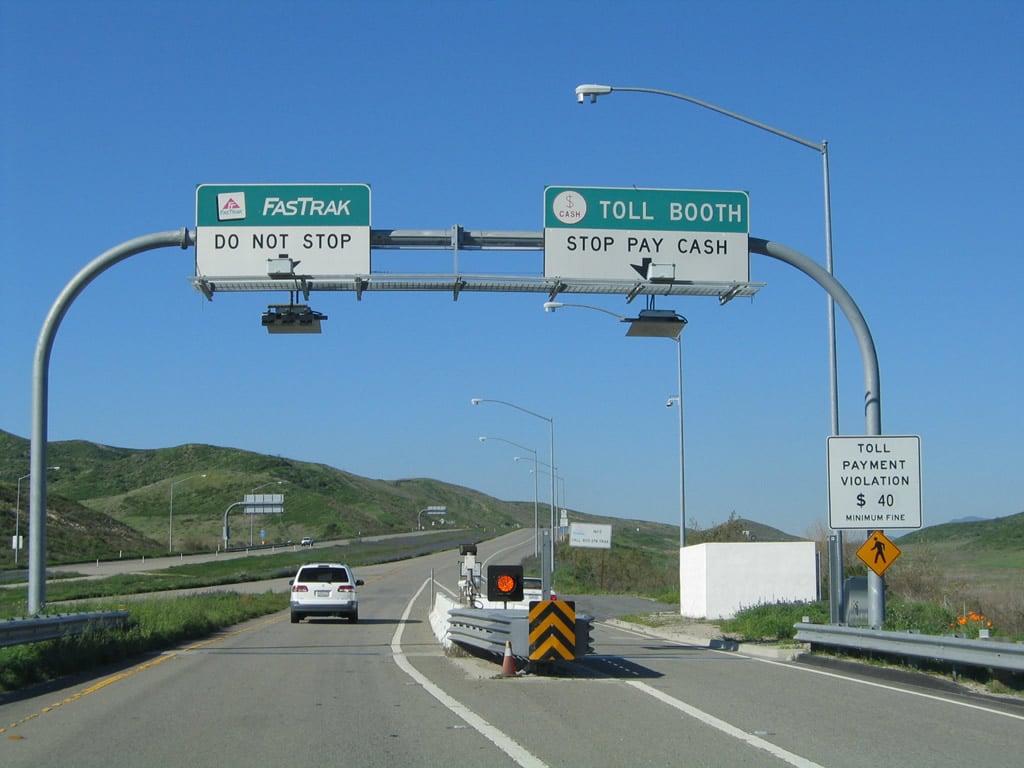
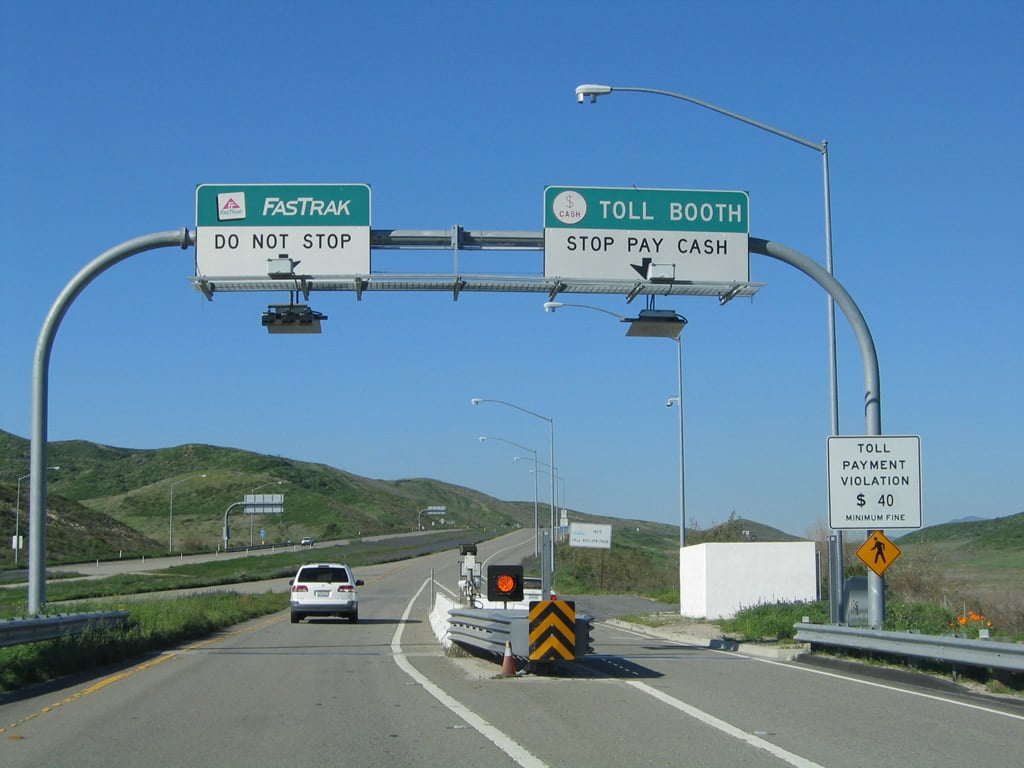
Many new Yorba Linda buyers ask the same question: ‘Is the 241 Toll Road worth the cost?’ For commuters heading south, it often makes the difference between a 25-minute drive and a 60-minute crawl.
What it costs. The 241 uses a barrier toll system with gantries at specific points. As of 2025, FasTrak users pay variable rates based on time of day. Non-FasTrak drivers pay the maximum rate regardless of when they drive. The two main toll gantries are Windy Ridge (near the 91 interchange, maximum $4.67) and Tomato Springs (near the 133 interchange, maximum $4.46). There is also a toll point at Portola Parkway-North (maximum $3.35). A full end-to-end trip from the 91 to Oso Parkway can cost $8 to $12 or more depending on time of day and whether you are a FasTrak account holder. FasTrak accounts consistently pay less than one-time or non-account drivers. Source: Wikipedia, California State Route 241.
The monthly cost for a daily commuter using the 241. If you drive the 241 from Yorba Linda to Irvine and back five days a week, expect to spend $300 to $500 per month in tolls depending on the time of day and how far south you go. This is on top of any 91 Express Lanes tolls if you also use those. I have clients spending $600 to $800 per month total between the 91 Express Lanes and the 241, and they consider it a worthwhile trade for predictable 25-minute commutes to Irvine instead of unpredictable 50-to-60-minute crawls on the free freeways.
When I sit down with buyers who are relocating, I build a complete monthly commute cost estimate. Mortgage, property tax, insurance, HOA, and toll costs. Some families see the toll number and decide to look at homes in south Orange County instead. Others see the total cost of living in Yorba Linda (including the tolls) and realize it is still less than buying a comparable home in Irvine, where the median price is significantly higher. The math works differently for every family, and I think it is irresponsible to sell someone a house without showing them the full picture.
The 241/91 Express Connector: a major improvement coming soon. The Transportation Corridor Agencies (TCA), Caltrans, OCTA, and RCTC are building a direct median-to-median connector between the northbound 241 Toll Road and the eastbound 91 Express Lanes, and from the westbound 91 Express Lanes to the southbound 241. Right now, drivers exiting the 241 onto the 91 have to merge across multiple lanes of general purpose traffic to reach the express lanes or vice versa. This creates dangerous weaving and congestion at the interchange. The $524 million connector project will eliminate that problem entirely. Construction is expected to begin in 2026 with completion targeted for 2029. It will use dynamic pricing and require a FasTrak transponder. Source: The Toll Roads, 241/91 Express Connector Project.
This is a big deal for Yorba Linda commuters. Once the connector opens, anyone living in Yorba Linda who uses the 241 to commute south and also needs the 91 Express Lanes will have a seamless, congestion-free transition between the two systems. I expect this to increase the value of the 241 as a commute option and, indirectly, support home values in the parts of Yorba Linda with the easiest access to the 241 on-ramp.
Metrolink: The Option Most Yorba Linda Residents Forget
Yorba Linda does not have its own train station. But two Metrolink stations are within a 10-to-15-minute drive, and for commuters heading to downtown Los Angeles, they offer an alternative that is faster, cheaper, and less stressful than driving the 91 to the 57 to the 5 in rush hour traffic.
Fullerton Metrolink/Amtrak Station is located at 120 East Santa Fe Avenue in downtown Fullerton, about 10 to 15 minutes from most Yorba Linda neighborhoods depending on traffic. It is one of the busiest stations in the entire Metrolink system and serves two lines: the Orange County Line and the 91/Perris Valley Line. The station also serves Amtrak Pacific Surfliner trains. It has a multi-level parking garage with over 300 spaces, including overnight parking. Source: Metrolink, Fullerton Station.
From Fullerton, the ride to LA Union Station takes approximately 39 minutes on Metrolink. Trains run roughly hourly throughout the day, with more frequent service during peak commute hours. Source: Metrolink schedules.
Anaheim Canyon Station is at 1039 North Pacificenter Drive in Anaheim, about 10 minutes from southern Yorba Linda. It serves the Inland Empire-Orange County (IEOC) Line, which connects to Riverside, Corona, Irvine, and points south. This is a smaller, quieter station primarily used by weekday commuters. Source: OCTA station list.
What Metrolink costs. In July 2025, Metrolink launched a simplified fare pilot program that significantly changed the pricing structure. The key options for Yorba Linda commuters are:
A one-way ticket from Fullerton to LA Union Station costs approximately $7 to $11 depending on the ticket type. The SoCal Day Pass provides unlimited systemwide travel for $15 on weekdays and $10 on weekends and holidays. Monthly passes are available and offer roughly a 10 percent savings over daily ticket purchases for regular commuters. Metrolink also now offers a 5-Day Flex Pass for hybrid workers who commute three to four days per week. Source: Metrolink new fares and OCTA fares.
The hidden benefit: free transfers. Every valid Metrolink ticket includes free transfers to most connecting transit services in Los Angeles County, including the entire LA Metro Rail system (subway and light rail) and most local bus lines. If your office is near an LA Metro station, your Metrolink ticket gets you all the way to your desk without paying an additional fare. Monthly pass holders also get free LAX FlyAway shuttle service from LA Union Station to LAX with a valid airline boarding pass. Source: Metrolink transit connections.
The real-world Metrolink commute from Yorba Linda to downtown LA. Drive from your house to the Fullerton station: 10 to 15 minutes. Park. Walk to the platform: 5 minutes. Train to LA Union Station: 39 minutes. Transfer to Metro Rail if needed: 5 to 10 minutes. Total door-to-desk: about 70 to 90 minutes. That is comparable to driving during peak hours, but with two critical differences: the time is predictable (no accidents doubling your commute), and you can work, read, or sleep on the train instead of white-knuckling through traffic.
I had a client in 2024 who was a corporate attorney commuting to a firm near Pershing Square in downtown LA. He was spending 75 to 100 minutes each way in his car, arriving stressed and exhausted. I suggested Metrolink from Fullerton. He was skeptical. He tried it for a week. His commute became exactly 80 minutes door to desk, every single day. He started reading case files on the train. He told me he gained back two productive hours a day. He has not driven to work since.
That experience is not universal. Metrolink works best if your destination is near LA Union Station or on the Metro Rail system. If you work in west LA, Century City, or the Westside, the transit connections from Union Station add significant time and the car may still be faster. But for downtown LA, Pasadena (via the Gold Line from Union Station), Hollywood (via the Red Line), or anywhere on the Metro network, Metrolink from Fullerton is a legitimate and often superior option.
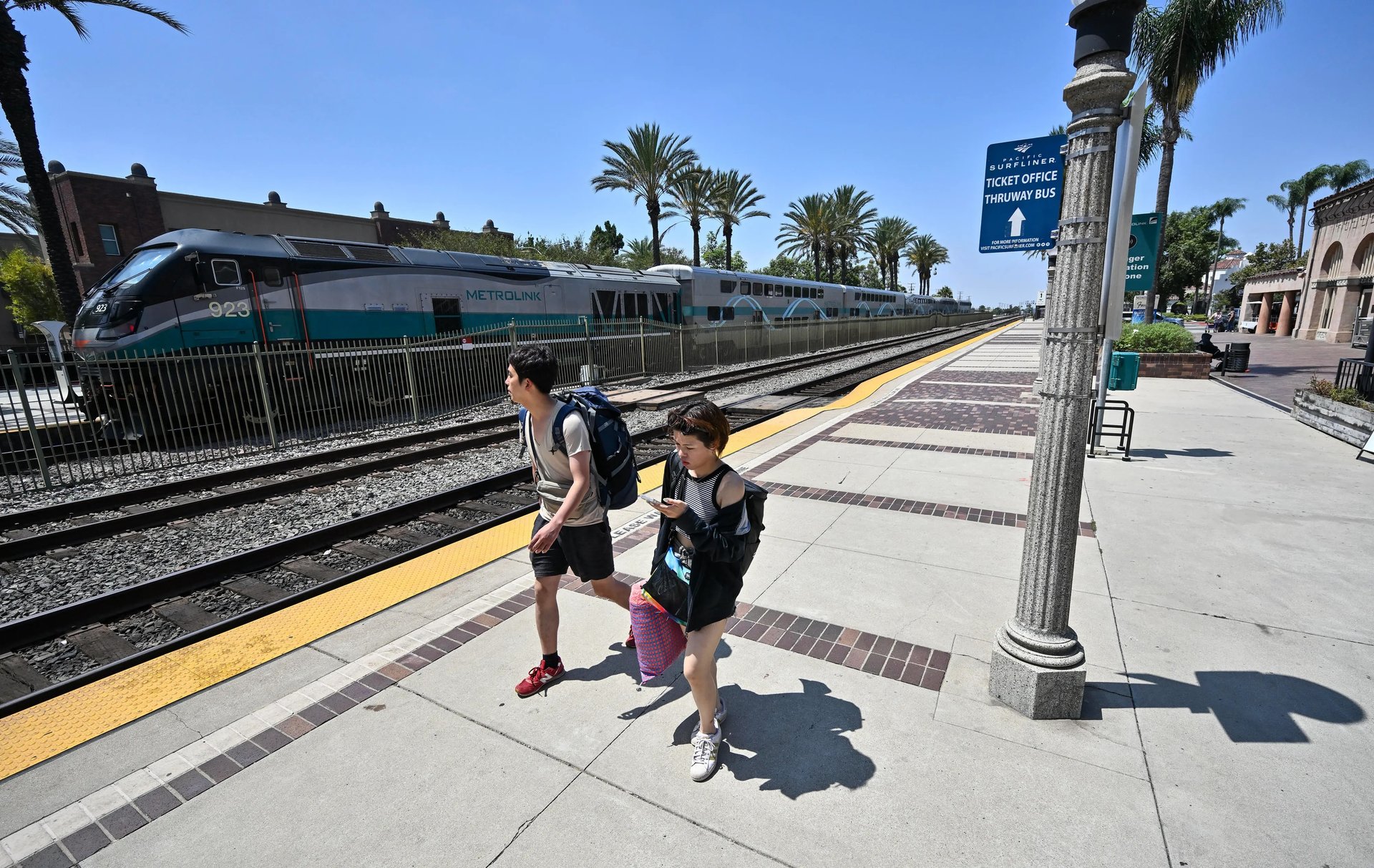
Commuting from Yorba Linda to downtown Los Angeles? The Metrolink train from Fullerton Station can turn a stressful freeway drive into a predictable 39-minute ride.
The SCORE program and 2028 Olympics upgrades. Metrolink is investing heavily through its SCORE (Southern California Optimized Rail Expansion) capital program to upgrade the system ahead of the 2028 Olympic and Paralympic Games in Los Angeles. This includes expanded service frequency, track improvements, and better connections at Union Station. If you are buying a home now with a long-term horizon, the Metrolink option is likely to get better over the next several years, not worse. Source: Metrolink.
Route Strategies by Workplace
This is the section I wish someone had given me 20 years ago. Where you work determines which routes matter, and which Yorba Linda neighborhoods give you the best commute.
You work in Irvine or the airport corridor (John Wayne Airport area). The 241 Toll Road is your primary route. From Yorba Linda, take Imperial Highway or Yorba Linda Boulevard to the 91, then south on the 241 to the 133 into Irvine. Without tolls, the alternative is the 91 west to the 55 south or the 57 south, which adds 15 to 25 minutes during peak hours and is unpredictable. If you work in Irvine, the neighborhoods with the quickest access to the 241 on-ramp matter: southern Yorba Linda near Imperial Highway, East Lake Village, and the areas near Yorba Linda Boulevard and the 91 interchange give you the shortest path to the toll road. These areas offer 25 to 35 minute commute times to the Irvine Spectrum corridor during non-peak hours.
You work in downtown LA or the DTLA-adjacent area. You have two realistic options: driving (91 west to the 57 north to the 60 west, or the 91 west to the 5 north) or taking Metrolink from Fullerton. Driving takes 40 to 50 minutes off-peak and 75 to 90 minutes during peak. Metrolink takes about 39 minutes station-to-station plus the drive to Fullerton. For daily commuters, Metrolink is almost always the better option for DTLA. If rail commuting appeals to you, consider homes in western Yorba Linda closer to Fullerton, which cuts your drive to the station to under 10 minutes.
You work in the Inland Empire (Ontario, Riverside, San Bernardino, Corona). The 91 east is your route, and Yorba Linda is one of the best-positioned cities in Orange County for this commute. From northern Yorba Linda, you can reach the 91 quickly via Yorba Linda Boulevard or Imperial Highway. Corona is 15 to 20 minutes off-peak. Ontario is about 25 minutes. The 91 Express Lanes are especially valuable for Inland Empire commuters because the eastbound evening congestion (your homebound direction) is the worst traffic on the entire corridor. The carpool discount for 3+ riders can make the express lanes essentially free if you carpool.
You work in Fullerton, Brea, Placentia, or north Orange County. You are in luck. These commutes are short and rarely involve the 91 at all. Surface streets like Yorba Linda Boulevard, Imperial Highway, Bastanchury Road, and Associated Road connect Yorba Linda to its neighboring cities in 10 to 20 minutes. The 57 Freeway is also an option for Brea and Fullerton. This is one of the underappreciated advantages of Yorba Linda: if you work locally in North Orange County, the commute is a non-issue.
You work remotely or hybrid. This is the fastest-growing category among my buyer clients. Without a daily commute, the 91 Freeway is a twice-a-week inconvenience instead of a daily grind. Remote workers optimize for lifestyle: schools, lot size, outdoor access, and community feel. Yorba Linda wins this comparison for most families. You get PYLUSD schools, Chino Hills State Park access, larger lots, and a quiet residential environment. The occasional commute day is manageable when it is not every day. I have seen a significant shift in my buyer pool since 2020 toward hybrid workers who are willing to accept a longer commute two or three days a week in exchange for a dramatically better daily living environment the other four or five days.
Neighborhood-Specific Commute Tips
Where you live within Yorba Linda affects your commute more than most people realize. The city is roughly five miles from north to south, and the difference between a home in northern Yorba Linda and one near Imperial Highway can be 10 to 15 minutes of drive time before you even reach a freeway.
Southern Yorba Linda (near Imperial Highway). Best freeway access in the city. You are within two to three minutes of the 91 on-ramp and the 241 Toll Road entrance. If you commute south to Irvine or east to the Inland Empire, this is where you want to be. East Lake Village, the neighborhoods along Imperial Highway, and the areas near Fairlynn Boulevard put you on the freeway fast. The trade-off: freeway noise is audible from some of the streets closest to Imperial Highway, and the lots tend to be smaller than what you find further north.
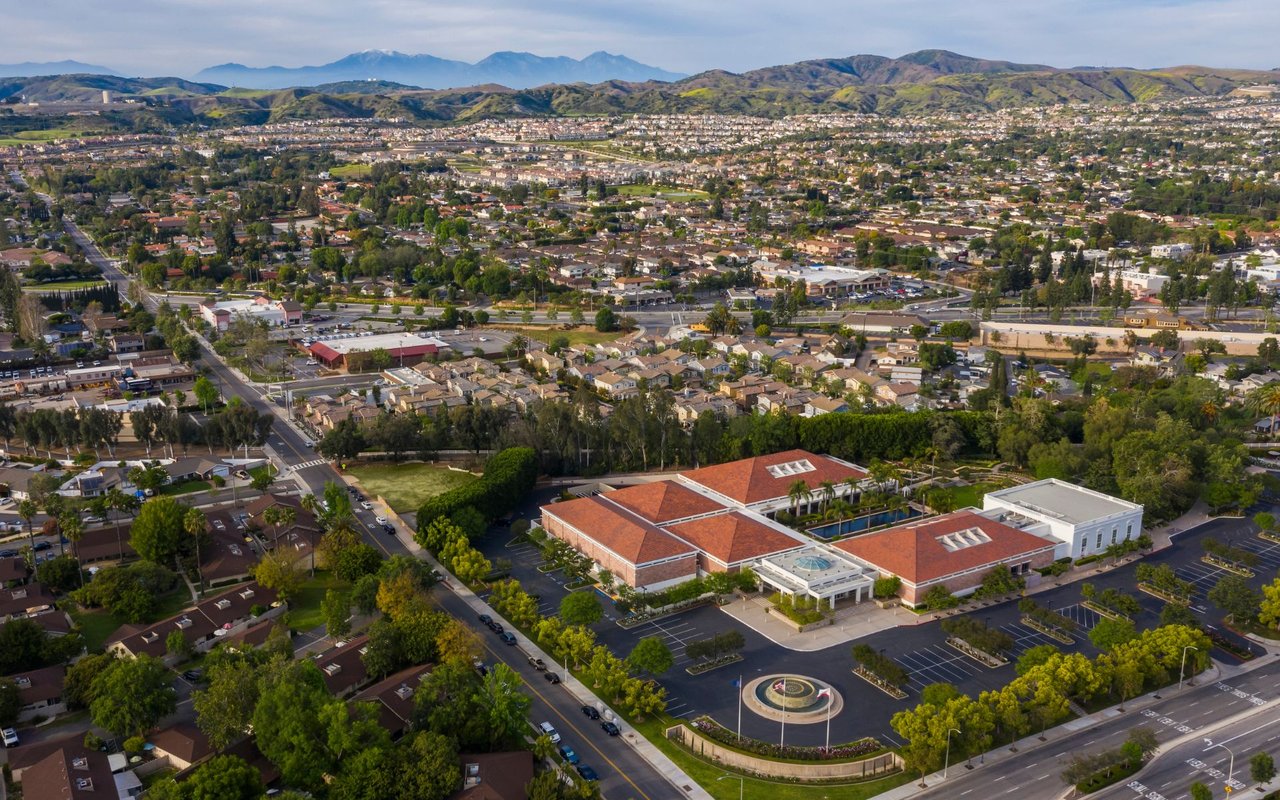
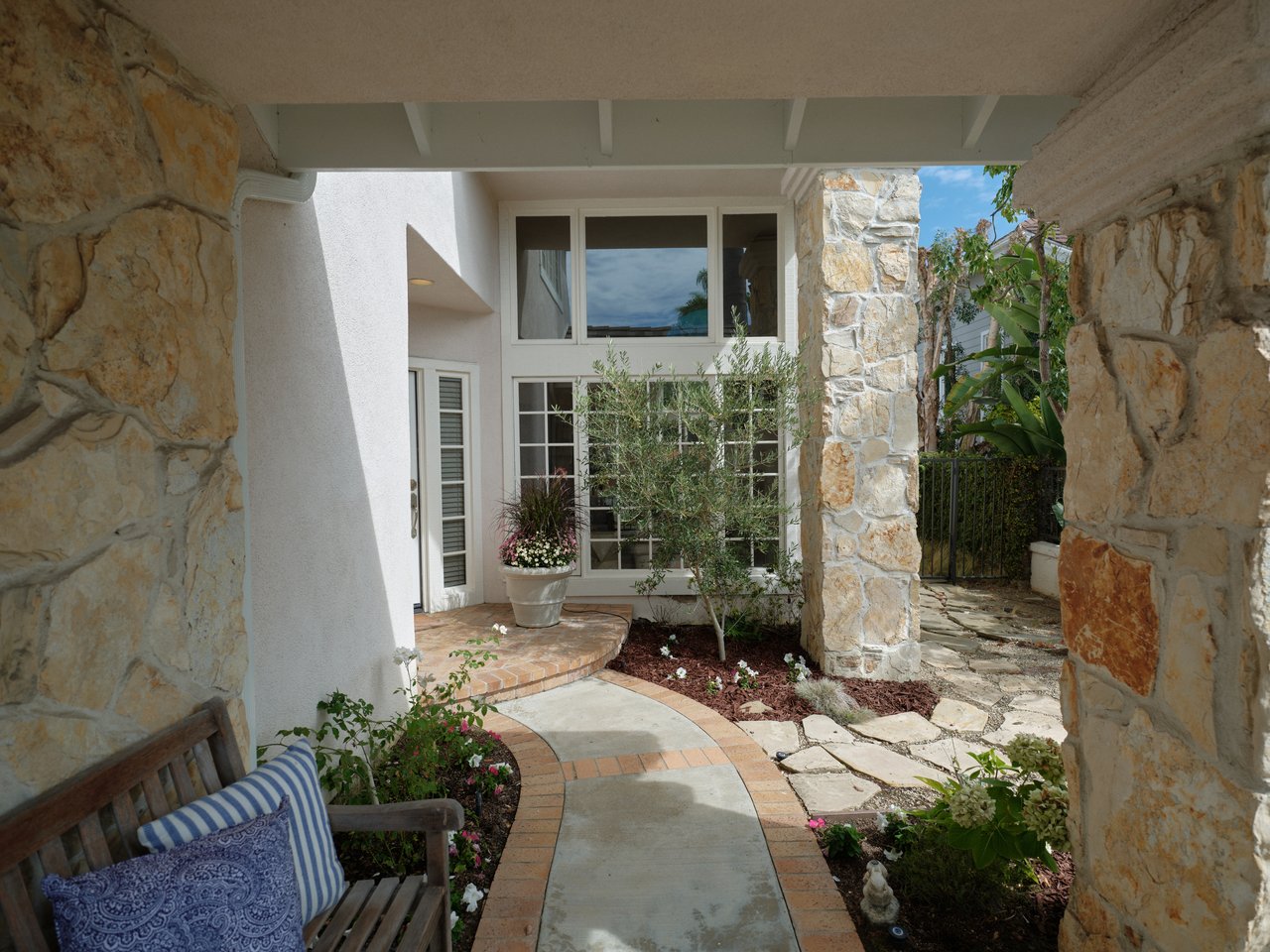
Homes in Yorba Linda combine suburban comfort with access to major commute routes like the 91 Freeway and the 241 Toll Road.
Central Yorba Linda (Yorba Linda Blvd corridor). A compromise position. You are 5 to 8 minutes from the 91 via Yorba Linda Boulevard, which feeds directly into the freeway. Travis Ranch, Fairmont Knolls, and the neighborhoods around Yorba Linda Boulevard offer good access without the freeway noise. The Yorba Linda Boulevard on-ramp to the 91 westbound is one of the more efficient on-ramps in the area because it merges before the major bottleneck at the 57 interchange.
Northern Yorba Linda (Vista Del Verde, Hidden Hills, hillside areas). The quietest and most scenic part of the city, with the best trail access to Chino Hills State Park and the largest lots. The trade-off: you are 8 to 15 minutes from the 91 Freeway depending on which street you live on and which route you take. Vista Del Verde is a gated community around Black Gold Golf Club, and the drive from its main gate to the 91 Freeway takes about 10 minutes on a good day. Hidden Hills Estates and the equestrian corridors near Camino De Bryant are even further. If you work remotely or have a short local commute, this is paradise. If you commute to Irvine during rush hour every day, the extra 10 to 15 minutes on surface streets before you even reach the 91 can be the difference between a tolerable commute and a miserable one.
I had a couple last year who fell in love with a house in northern Yorba Linda backing to open space with trail access from the backyard. It was stunning. But both of them commuted to Irvine five days a week. I walked them through the commute math: 12 minutes to the 91, plus the 241 toll, plus the drive from the 133 to their offices. Each way, every day, that 12 minutes of surface street driving added 24 minutes to their daily round trip and about two hours per week. Over a year, that is over 100 hours. They ended up buying a beautiful home in East Lake Village instead, three minutes from the 91 on-ramp. They still hike the state park on weekends, they just drive the 10 minutes to the Rim Crest trailhead instead of walking out their back gate. The right home is the one that fits your actual life, not just your Saturday morning.
Six Things Nobody Tells You About the Yorba Linda Commute
These are the things I have learned from 40 years of driving these roads and listening to clients who learned them the hard way.
First: the 91/57 interchange is the chokepoint. Almost every westbound commute from Yorba Linda passes through the 91/57 interchange, and it is where traffic goes from moving to stopped. If you can structure your schedule to pass through this interchange before 6:30 AM or after 9:30 AM, your commute time drops dramatically. I have clients who shifted their work start time by 30 minutes and cut their commute by 20 minutes.
Second: Waze and Google Maps will reroute you through neighborhoods. When the 91 is backed up, every navigation app sends you through residential streets in Anaheim Hills, Yorba Linda, and Placentia. These cut-through routes work sometimes, but during heavy congestion everyone gets the same suggestion and the surface streets fill up too. La Palma Avenue, Orangethorpe Avenue, and Bastanchury Road are the most common alternates. Know them in advance rather than blindly following GPS through unfamiliar side streets.
Third: Tuesday, Wednesday, and Thursday are worse than Monday and Friday. This surprises people, but traffic data consistently shows mid-week has the highest volume on the 91. Monday mornings are lighter because of remote work schedules, and Friday afternoons see less congestion because people leave early or work from home. If you have a hybrid schedule and can choose your in-office days, Monday and Friday are the days to commute.
Fourth: the first rain of the season doubles everything. Southern California drivers collectively forget how to drive in rain between May and October. The first significant rainfall, usually in late October or November, creates catastrophic commute conditions. Accidents spike, the 91 turns into a parking lot, and commutes that normally take 45 minutes can exceed two hours. Plan accordingly during rainy season.
Fifth: school drop-off timing matters more than you think. If you have school-age children and your morning routine includes a drop-off, you need to factor in the 7:45 to 8:15 AM window when school-zone traffic clogs Yorba Linda's surface streets. The sequence of "get kids to school, then get on the freeway" can add 15 to 20 minutes to your morning if you are not strategic about the route from the school to the freeway on-ramp. I walk through this with every family client because it is the kind of detail that affects your daily quality of life.
Sixth: gas prices in Yorba Linda are consistently higher than the OC average. Stations along Yorba Linda Boulevard and Imperial Highway tend to run 10 to 20 cents per gallon above what you can find in Placentia, Brea, or Anaheim. If you are filling up two or three times a week for a commute, driving three minutes to a station in Placentia on your way to work saves you $5 to $10 per fill-up. It is a small thing, but small things compound over 52 weeks.
The Real Cost of Commuting From Yorba Linda: An Honest Budget
I put together this estimate for my buyer clients because nobody else does it for them. Here is what a daily commuter from Yorba Linda to Irvine can expect to spend per month beyond their mortgage:
Tolls (241 Toll Road, round trip, peak hours, 22 days): $350 to $500 per month.
Fuel (50 miles round trip, 25 MPG, $4.50/gallon): approximately $200 per month.
Vehicle wear and maintenance (IRS rate of $0.70/mile, 50 miles/day): approximately $770 per month, though actual out-of-pocket is lower unless you track depreciation.
Or, if you use Metrolink to DTLA instead: a monthly pass plus the drive to the Fullerton station runs roughly $250 to $350 per month total including gas to the station.
The point is not to scare you. The point is to show you the complete picture so you make an informed decision. Yorba Linda offers things that most Orange County cities cannot match: PYLUSD schools, large lots, trail access, a safe and family-oriented community, and a genuine sense of place. But if you are commuting 50 miles a day, the cost of getting to work is part of the cost of living here. I would rather you know this before you close escrow than discover it three months later.
Quick Reference: Yorba Linda Commute Essentials
Primary freeway: State Route 91 (east-west). Access from Yorba Linda via Imperial Highway, Yorba Linda Boulevard, and Weir Canyon Road on-ramps.
Toll road option: State Route 241 (north-south). Northern terminus at SR-91 on the Anaheim/Yorba Linda border. Connects to SR-261 and SR-133 into Irvine, Lake Forest, and Mission Viejo.
91 Express Lanes: Two toll lanes in each direction, 55 Freeway to I-15. FasTrak required. 3+ carpools ride free (except eastbound 4-6 PM weekdays, when the discount is 50%). Dynamic pricing in Riverside County. Source: 91expresslanes.com.
241 Toll Road payment: FasTrak for lowest rates. One-time payments available online 5 days before or after your trip at thetollroads.com. Windy Ridge gantry max $4.67, Tomato Springs max $4.46.
Metrolink stations nearest Yorba Linda: Fullerton (120 E. Santa Fe Ave, OC Line and 91/Perris Valley Line, about 10-15 min drive). Anaheim Canyon (1039 N. Pacificenter Dr, IEOC Line, about 10 min drive from south YL).
Metrolink fare options: One-way from Fullerton to LA Union Station approximately $7-11. SoCal Day Pass $15 weekday / $10 weekend. Monthly pass available for regular commuters. All tickets include free LA Metro transfers. Source: Metrolink fares.
Fullerton to LA Union Station train time: approximately 39 minutes.
241/91 Express Connector: Under development. Construction expected to begin 2026, completion targeted 2029. Will create a direct tolled connection between the 241 and the 91 Express Lanes. Source: TCA.
Worst commute hours from Yorba Linda: Westbound 91, 6:00-9:00 AM. Eastbound 91, 3:30-7:00 PM.
Best commute hours from Yorba Linda: Before 6:00 AM. 9:30-11:00 AM. 1:00-3:00 PM. After 7:30 PM.
Frequently Asked Questions
How bad is the commute from Yorba Linda?
It depends entirely on where you work and when you drive. If you work locally in North Orange County (Brea, Fullerton, Placentia, Anaheim), the commute is 10 to 20 minutes and rarely an issue. If you commute to Irvine, the 241 Toll Road makes it a manageable 25 to 35 minutes but costs $350 to $500 per month in tolls. If you commute to downtown LA, Metrolink from Fullerton takes about 39 minutes and is often faster than driving during peak hours. The 91 Freeway during peak hours westbound morning and eastbound evening is consistently congested and can take 45 to 60 minutes or more to destinations that are 20 minutes off-peak.
How much does the 241 Toll Road cost per month?
For a daily commuter using the full length of the 241 (from the 91 interchange to the 133 into Irvine) at peak hours, expect roughly $8 to $12 per one-way trip. Round trip, five days a week, that adds up to approximately $350 to $500 per month. FasTrak account holders pay less than non-account drivers. Off-peak tolls are lower.
Is there a train from Yorba Linda to Los Angeles?
Yorba Linda does not have its own train station, but the Fullerton Metrolink station is a 10-to-15-minute drive away and offers direct service to LA Union Station on both the Orange County Line and the 91/Perris Valley Line. The ride takes approximately 39 minutes. Trains run roughly hourly with more frequent peak-hour service. A one-way fare is approximately $7 to $11, and the SoCal Day Pass provides unlimited travel for $15 on weekdays.
What is the 91 Express Lanes 3+ carpool discount?
Vehicles with three or more occupants using a FasTrak Flex transponder set to the 3+ position ride the 91 Express Lanes for free in most situations. The exception is the eastbound direction Monday through Friday between 4:00 PM and 6:00 PM, when 3+ carpools receive a 50 percent discount. This makes the express lanes essentially free for families commuting together or organized carpools.
Which Yorba Linda neighborhoods have the best freeway access?
Southern Yorba Linda near Imperial Highway has the best freeway access, with the 91 Freeway and the 241 Toll Road entrance within two to three minutes. The areas around Yorba Linda Boulevard offer good access via the Yorba Linda Boulevard on-ramp. Northern Yorba Linda neighborhoods like Vista Del Verde and Hidden Hills Estates are 8 to 15 minutes from the 91, which is a significant daily time addition for commuters but a non-issue for remote workers or retirees.
What is the 241/91 Express Connector?
It is a $524 million project that will build a direct, tolled, median-to-median flyover ramp connecting the 241 Toll Road to the 91 Express Lanes. Currently, drivers must merge across general purpose lanes to transition between the two toll systems. The connector will eliminate this dangerous weaving maneuver and create a seamless toll-to-toll connection. Construction is expected to start in 2026 and finish by 2029. It will use dynamic pricing and require a FasTrak transponder.
When is the best time to hike near Yorba Linda?
Late February through April offers the best conditions for hiking in Chino Hills State Park, which borders northern Yorba Linda. Green hills, wildflower blooms, and cool temperatures. I wrote a complete trail guide here.
Sources
-
Orange County Transportation Authority, 91 Express Lanes toll policies. octa.net
-
91 Express Lanes, toll schedules FY 2025-26. 91expresslanes.com
-
The Toll Roads, map and rates. thetollroads.com
-
The Toll Roads, 241/91 Express Connector Project. thetollroads.com
-
Wikipedia, California State Route 241 (toll rates and connector timeline). wikipedia.org
-
Caltrans District 12, SR 241/SR 91 Tolled Express Lanes Connector Project. dot.ca.gov
-
Metrolink, train schedules. metrolinktrains.com
-
Metrolink, new fare pilot program (July 2025). metrolinktrains.com
-
Metrolink, transit connections. metrolinktrains.com
-
OCTA, Metrolink fares and passes. octa.net
-
OCTA, Metrolink stations in Orange County. octa.net
-
Metrolink, Fullerton station information. metrolinkschedule.com
-
Metrolink, SCORE capital program. metrolinktrains.com