Inherited Property Sales Orange County

The Clock Is Running on Every Inherited Property in Orange County

If you have recently inherited a home in Orange County and the plan is to sell, the single most important thing I can tell you is this: time costs money. Every month you hold an inherited property without selling it, you are paying property taxes, insurance, utilities, maintenance, and potentially a mortgage. In Orange County, where the median home value exceeds $1.2 million, carrying costs on an inherited home typically run $5,000 to $12,000 per month depending on the property's tax basis, insurance requirements, and whether there is an existing mortgage.

That is before you consider Proposition 19. If the property was inherited after February 16, 2021, and you are not living in it as your primary residence, the county assessor will reassess it to current market value. A home your parents bought in 1985 for $200,000 that is now worth $1.3 million goes from a property tax bill of roughly $2,500 per year to approximately $16,000 per year. That $13,500 annual increase starts accruing immediately, and the assessor's office in Orange County has become aggressive about sending reassessment notices after ownership transfers.

I am Brian Kidd, founder of Canyon Realty and a licensed real estate and mortgage broker. I have helped families sell inherited properties across Orange County for over 20 years, from Yorba Linda estate homes held in trust for decades to Anaheim Hills hillside properties going through probate, to Brea and Fullerton tract homes where three siblings in three different states need to agree on a plan. This page is not about the legal process of inheritance. If you need that, my inherited property agent page and probate real estate guide cover those in detail. This page is about selling: how to prepare an inherited home, how to price it, how to market it, and how to close the transaction in a way that maximizes the estate's net proceeds while managing the timeline pressure that every inherited property carries.

main

The Orange County Inherited Property Market in 2026

Inherited homes sell into the same market as every other home, but they face it from a different position. Here is the market context that affects inherited property sales right now.

Orange County's median sale price in January 2026 was $1.2 million per Redfin, with a median listing price of $1,349,900 per Realtor.com/FRED data. Homes are spending a median of 61 days on market, up from 55 days a year ago. Active inventory stands at approximately 3,275 listings, up from roughly 2,600 at this time last year. Mortgage rates are near 6.1 percent per Freddie Mac's February 2026 data.

What does this mean for inherited property sellers specifically? Three things.

First, the days of severe under-supply are ending. With inventory up over 25 percent year-over-year and days on market stretching, inherited property sellers can no longer count on the market to paper over pricing mistakes. An overpriced inherited home in estate condition will sit, and every month it sits costs the estate thousands in carrying costs.

Second, buyers have more choices. That means inherited homes competing against updated, move-in-ready listings need to be priced to reflect their actual condition, not the comparable down the street that was remodeled last year. The discount for estate condition is real, and ignoring it does not make it disappear.

Third, mortgage rates near 6 percent have brought more buyers into the market than we saw at 7 percent, but affordability remains constrained. The sweet spot for inherited property sales in Orange County right now is the $800,000 to $1.5 million range, where buyer activity is strongest. Properties above $2 million in estate condition face a thinner buyer pool and longer timelines.
main

The Stepped-Up Basis Advantage — And Why Timing Matters

The stepped-up basis is the single largest financial advantage of selling inherited property, and most families do not fully understand how it works or why timing affects it.

When you inherit property, your cost basis "steps up" to the fair market value on the date of death. This is federal tax law under IRC Section 1014. If your parents purchased a home in Anaheim Hills in 1988 for $250,000 and it is worth $1.3 million when they pass, your cost basis becomes $1.3 million. If you sell the home for $1.3 million, you owe zero federal capital gains tax on $1,050,000 of appreciation. That is a tax savings of approximately $157,500 to $247,000 depending on your income bracket and state tax obligations.

But here is what most inherited property guides omit: the stepped-up basis is locked to the date-of-death value. Every dollar the property appreciates after that date is taxable gain when you sell. In Orange County, where homes have appreciated 3 to 5 percent annually in recent years, a $1.3 million inherited home can generate $39,000 to $65,000 in additional taxable value within just one year of holding. Hold it for two years while debating what to do, and you are looking at $78,000 to $130,000 in potentially taxable appreciation plus two years of carrying costs.

This is why I counsel every inherited property client to make a decision quickly. Not rashly. But quickly. The financial math almost always favors selling sooner rather than later unless one of the heirs intends to move in as a primary residence.

main

Proposition 19 and the Carrying Cost Trap

Proposition 19, effective February 16, 2021, eliminated the old Proposition 58 benefit that allowed children to inherit their parents' property tax basis without reassessment. The impact on inherited property sales in Orange County has been enormous.

Under the current rules, inherited property is reassessed to current market value unless the heir moves into the home as their primary residence and files form BOE-19-P with the Orange County Assessor within one year of the transfer date. Even with the primary residence exemption, if the property's current market value exceeds the existing factored base year value by more than $1,044,586 (the threshold for February 2025 through February 2027), the excess is added to the taxable value.

Let me show you what this looks like with real Orange County numbers.

A Yorba Linda home purchased in 1982 for $180,000 has a factored base year value of approximately $380,000 after decades of Prop 13 inflation adjustments. The home is worth $1.4 million today. Under the old rules, a child inheriting this home would continue paying property taxes on the $380,000 assessed value, roughly $4,600 per year. Under Proposition 19, if no heir moves in, the property is reassessed to $1.4 million, and the annual tax bill jumps to approximately $17,000. That is an additional $12,400 per year in property taxes starting from the date of death.

If an heir does move in: the factored base year value ($380,000) plus the $1,044,586 exclusion equals $1,424,586. Since the market value ($1.4 million) does not exceed that combined amount, the heir would receive the full exclusion and keep the existing tax basis. But this only works if the heir actually lives there.

For most families I work with, no heir wants to move into the inherited home. The children have their own homes, their own neighborhoods, their own school districts. The Prop 19 math turns what used to be a low-cost hold into an expensive one, and it pushes the decision toward selling much faster than families expected.

I walk through this math in our first conversation because it often determines the entire strategy before we even discuss the real estate market.

main

Preparing an Inherited Home for Sale — The Three-Tier Approach

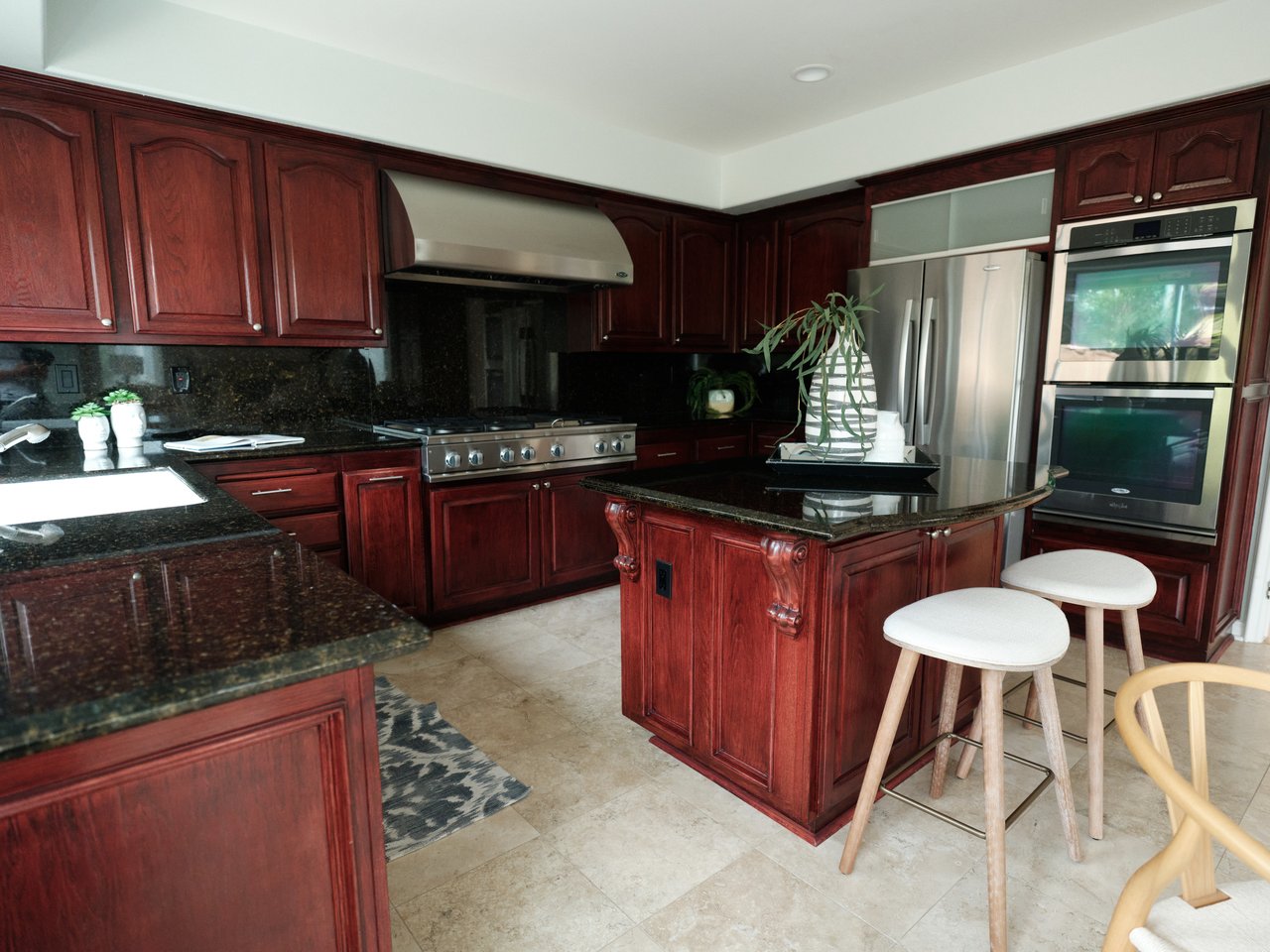
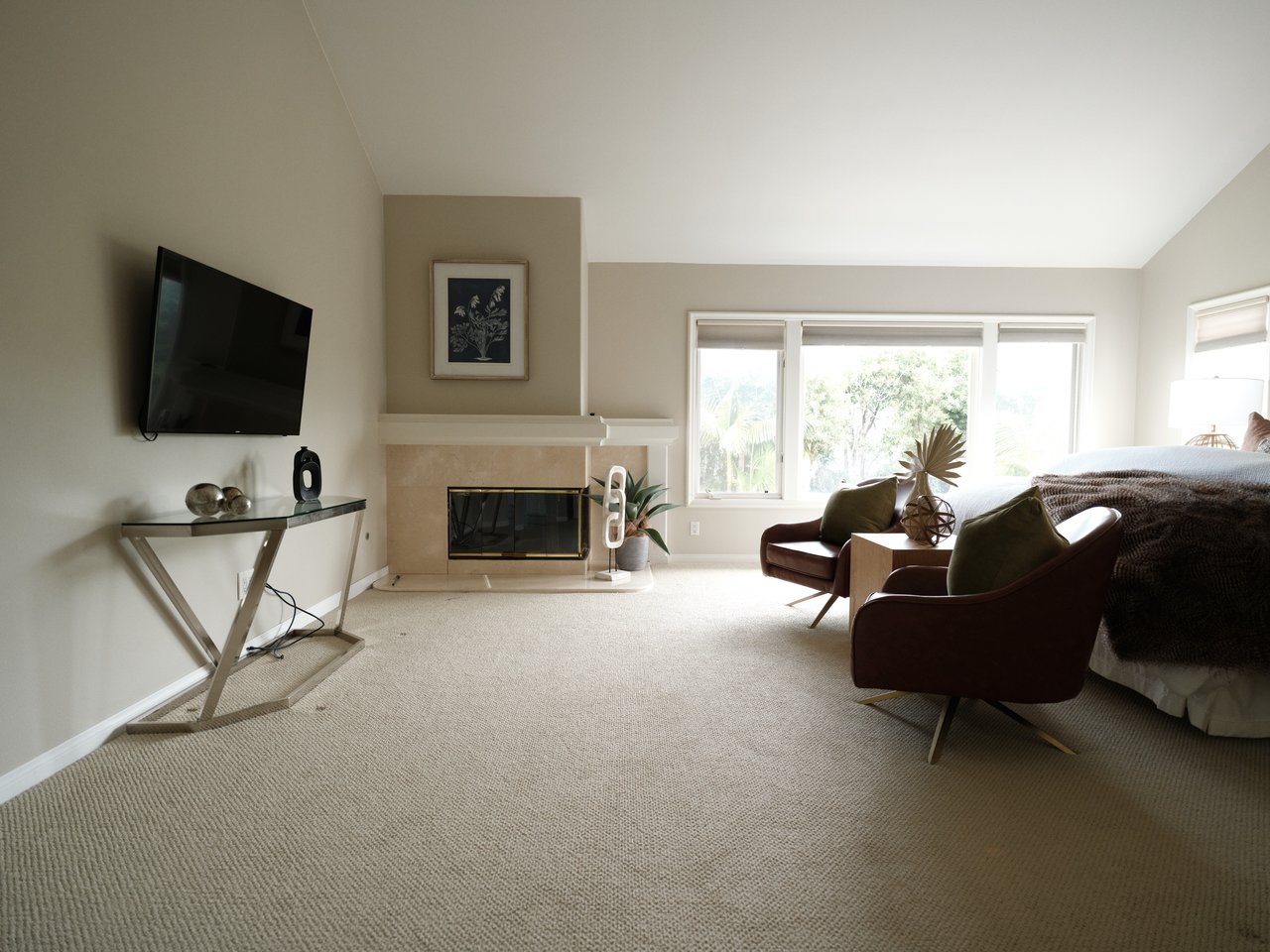
Inherited homes present a specific challenge: they are almost always in what the industry calls "estate condition." That means deferred maintenance, outdated finishes, personal belongings still in the home, and sometimes years of accumulated clutter. The question every family faces is how much to invest in preparation before listing.

I use a three-tier framework based on the property's value, condition, and the estate's financial situation.

Tier 1: Clean and clear ($2,000 to $8,000). This is the minimum. Remove all personal belongings, deep clean the property, handle basic landscaping, and make sure the home is presentable for showings. No cosmetic updates, no repairs beyond safety issues. This tier works best for properties under $800,000, properties where the condition gap between estate and market-ready is so large that partial updates would not meaningfully change value, or situations where the estate lacks liquid funds for improvements.

Tier 2: Strategic refresh ($10,000 to $35,000). Paint interior walls in neutral tones, replace worn carpet or flooring, update light fixtures and hardware, professional landscaping, and address any deferred maintenance that will appear on a buyer's inspection. This tier targets the improvements that deliver the highest return per dollar. In Orange County's 2026 market, a $25,000 Tier 2 investment on a $1.2 million inherited home typically returns $50,000 to $80,000 in additional sale price. I have seen this play out repeatedly because it shifts the property from "estate condition discount" to "move-in with minor updates" pricing.

Tier 3: Full renovation ($40,000 to $100,000+). Kitchen and bathroom remodels, new flooring throughout, exterior updates, and professional staging. This tier makes sense only for high-value properties ($1.5 million and above) where the estate can fund the investment and the timeline allows for 8 to 12 weeks of work before listing. I only recommend Tier 3 when the math clearly shows the return justifies the cost, the delay, and the carrying costs incurred during renovation.

I present the cost-versus-return analysis for each tier during our strategy session so the heirs can make a data-driven decision. No guessing. No assumptions about what buyers want. Numbers.


I help families navigate inherited home sales in Orange County by aligning financial realities, tax strategy, and property condition, so every decision is clear before the process begins.

Schedule A Consultation
main

Pricing an Inherited Home — What Makes It Different

Pricing an inherited home requires a different mindset than pricing a standard listing, and most agents get it wrong.

The most common mistake is pricing based on what the home "would be worth" if it were updated. Agents show the family comparable sales of renovated homes in the same neighborhood and suggest pricing just below that. The result: the home sits on the market for weeks or months while carrying costs bleed the estate, then eventually sells after one or two price reductions at the same price it would have sold for on day one with correct pricing.

The second most common mistake is the opposite: pricing so aggressively low that it signals distress and attracts only investors looking for a deal. Inherited homes are not distressed properties. The estate has clear title (or will have, once probate or trust administration is complete), the sellers are not facing foreclosure, and there is no urgency to accept below-market offers.

Here is how I price inherited properties. I start with comparable sales at the neighborhood level, not the zip code level. A home on a cul-de-sac in Anaheim Hills with canyon views is a different product than a home on a through street backing to the freeway, even if both are in the 92808 zip code. Then I adjust for condition. I physically walk the property and identify every item a buyer will use to negotiate: the 25-year-old roof, the original kitchen, the single-pane windows, the HVAC system that should have been replaced five years ago. I quantify those items and discount accordingly.

The result is a price that is competitive from day one, attracts both owner-occupant buyers and investors, and generates offers within the first two to three weeks. In the current market, correctly priced inherited homes in Orange County are selling within 45 to 75 days. Incorrectly priced ones are sitting for 90 to 150 days and every month of additional sitting costs the estate $5,000 to $12,000.

main

Marketing Inherited Property to the Right Buyers

Inherited homes attract a different buyer mix than standard listings, and the marketing strategy should reflect that.

In Orange County's 2026 market, inherited properties typically draw three buyer profiles. Owner-occupants who want a home in a specific neighborhood and are willing to take on updates in exchange for a lower price point. These buyers are often families stretching into a higher-priced area who could not afford a fully updated home on the same street. They represent the highest-value buyer because they are buying the home to live in, not to flip.

The second profile is the value-add investor. These buyers are calculating renovation costs, projected resale values, and target profit margins. They will make lower offers but can close faster, often with cash, and require no financing contingencies. In a probate situation where the estate needs to close quickly, an investor offer at 90 to 92 percent of market value with a 21-day close may net the estate more than a retail offer at 98 percent that takes 60 days and carries the risk of falling out of escrow.

The third profile is the builder or developer, relevant only for properties on large lots in areas where the land value exceeds the improvement value. In parts of Yorba Linda, Villa Park, and North Tustin, a dated estate home on a half-acre or larger lot may attract buyers who intend to demolish and build new.

I tailor the marketing to reach all three groups simultaneously. Professional photography that shows the property honestly, not just the good angles. Accurate condition descriptions that set appropriate expectations. Targeted digital advertising to investors and cash buyers in addition to the standard MLS exposure. And for properties above $1.5 million, direct outreach to my network of buyer agents across Orange County who work with clients specifically looking for value opportunities in premium neighborhoods.

main

The Timeline — Trust Sales vs. Probate Sales vs. Everything Else

How quickly you can sell depends entirely on how the property was held. Here is the realistic timeline for each pathway.

Trust sale: The successor trustee named in the trust can list and sell the property without court involvement. Timeline from decision to close: 60 to 90 days. This is the fastest path and the one that looks most like a standard real estate transaction. No court hearings, no overbid risk, no referee appraisals required. The trustee controls pricing, negotiation, and timing.

Probate sale with full IAEA authority: The executor or administrator must be appointed by the Orange County Superior Court (Lamoreaux Justice Center), which takes 6 to 10 weeks from petition filing. After appointment with full Independent Administration of Estates Act authority, the sale proceeds without court confirmation. Timeline from petition to close: 4 to 6 months total.

Probate sale with court confirmation: If the executor does not have full IAEA authority, the sale requires a court confirmation hearing. The offer must meet or exceed 90 percent of the probate referee's appraised value, and the sale is subject to overbidding at the hearing. Timeline from petition to close: 7 to 12 months. The longer timeline and overbid risk can reduce the buyer pool, as some serious buyers avoid court-confirmed sales entirely.

Transfer-on-death deed or joint tenancy survivor sale: These properties transfer outside of probate. Once the death certificate is recorded and the ownership change is processed, the surviving owner or beneficiary can sell normally. Timeline: 60 to 90 days, similar to a trust sale.

Regardless of the legal pathway, the real estate preparation can begin before the legal authority is in place. I conduct the property walkthrough, run the comparative market analysis, develop the preparation plan, and coordinate cleanout and any agreed-upon improvements so that the property is ready to list the moment the trustee has authority or the Letters Testamentary are issued. This parallel-track approach saves weeks.

main

What I Do for Inherited Property Sellers — The Process

My approach to inherited property sales follows the same sequence regardless of whether the sale is a trust sale, probate sale, or direct transfer.

Step 1: Initial consultation (free, no obligation). I ask three questions: How was the property held? How many heirs are involved? What is the property's location and approximate condition? Those answers tell me which legal pathway we are on, the likely timeline, and the level of complexity.

Step 2: Title review and Prop 19 analysis. I pull the current title record to confirm ownership structure and run the Proposition 19 math so every heir understands the carrying cost implications of holding versus selling.

Step 3: Property walkthrough and preparation recommendation. I visit the property, assess condition, photograph everything, and present the three-tier preparation analysis with cost-versus-return projections for each tier.

Step 4: Pricing strategy. Neighborhood-level comparable analysis adjusted for the property's specific condition, lot, and location. I present a recommended list price, a projected sale range, and a net proceeds estimate after all costs.

Step 5: Coordination with attorneys and all heirs. I communicate with the trust or probate attorney handling the legal side and provide every heir with identical information at every decision point. Nobody is left out, nobody gets different numbers.

Step 6: Marketing and sale execution. Professional photography, MLS listing, targeted digital marketing, showing coordination, offer presentation, negotiation, and escrow management through closing.

Step 7: Final accounting. After closing, I provide a complete breakdown of all real estate costs, commissions, and net proceeds to the attorney or trustee handling distribution.

Because I also hold a mortgage broker license, I can evaluate buyer financing strength during the offer review process in a way that most listing agents cannot. When you are reviewing three offers on an inherited property and one has a shaky pre-approval from an online lender, I can identify that risk before you accept the wrong offer and lose another 30 days when the financing falls through.

main

Frequently Asked Questions — Inherited Property Sales in Orange County

How long after someone dies can you sell their house in California?

If the property was in a trust, the trustee can begin the process immediately after obtaining a death certificate and notifying beneficiaries. If it requires probate, you need court appointment of an executor, which takes 6 to 10 weeks. In either case, preparation work can begin before the legal authority is finalized.

Do I pay capital gains tax on an inherited home?

Your cost basis steps up to the fair market value on the date of death. If you sell at or near that value, you owe little or no capital gains tax. Appreciation after the date of death is taxable. This is why selling sooner generally produces a better tax outcome.

What is the Proposition 19 deadline for inherited property?

If you intend to claim the primary residence exclusion, you must move into the home and file for the homeowner's exemption within one year of the transfer date. If you do not plan to move in, there is no deadline, but the property will be reassessed to current market value, increasing annual property taxes significantly.

Should I renovate an inherited home before selling?

It depends on the property's value, condition, and the estate's resources. My three-tier framework provides a cost-versus-return analysis for each level of preparation. In many cases, a $15,000 to $25,000 strategic refresh delivers the best net return. But for some properties, selling as-is and pricing accordingly produces a faster, cleaner result.

Can I sell an inherited home if other heirs disagree?

If all heirs cannot agree, the disagreeing party can petition the court for a partition action. Before pursuing legal action, I present all heirs with the same financial analysis including property value, carrying costs, and market projections so the conversation is grounded in numbers rather than opinions. In my experience, most disagreements resolve when the facts are laid out clearly.

What are the typical costs of selling an inherited property in Orange County?

Real estate commission at standard market rates, escrow and title fees of approximately $3,000 to $5,000, any agreed-upon preparation costs, and prorated property taxes. If the property is in probate, add attorney fees for the legal process. I provide a detailed net proceeds estimate before listing so there are no surprises.

Do inherited properties sell for less than regular homes?

Inherited properties in estate condition typically sell at a 5 to 15 percent discount relative to updated comparable homes in the same neighborhood. The exact discount depends on the scope of deferred maintenance, the property's age, and the buyer pool. Correct pricing from day one minimizes this gap. Overpricing and then chasing the market with reductions produces a worse outcome than pricing right from the start.

Your Inherited Property Specialist in Orange County

Inherited property sales across Orange County. Trust sales, probate sales, and direct transfers. Yorba Linda, Anaheim Hills, Villa Park, Brea, Fullerton, Orange, and surrounding communities.

Follow Me on Instagram