An open house in Anaheim Hills in 2026 is no longer the foot-traffic free-for-all it was a decade ago, and that changes the strategy on both sides of the transaction. Sellers who treat it as a casual weekend formality leave money on the table, and buyers who treat it as just a tour miss the chance to gather pricing intelligence, seller motivation cues, and competitive context that can shape a winning offer.
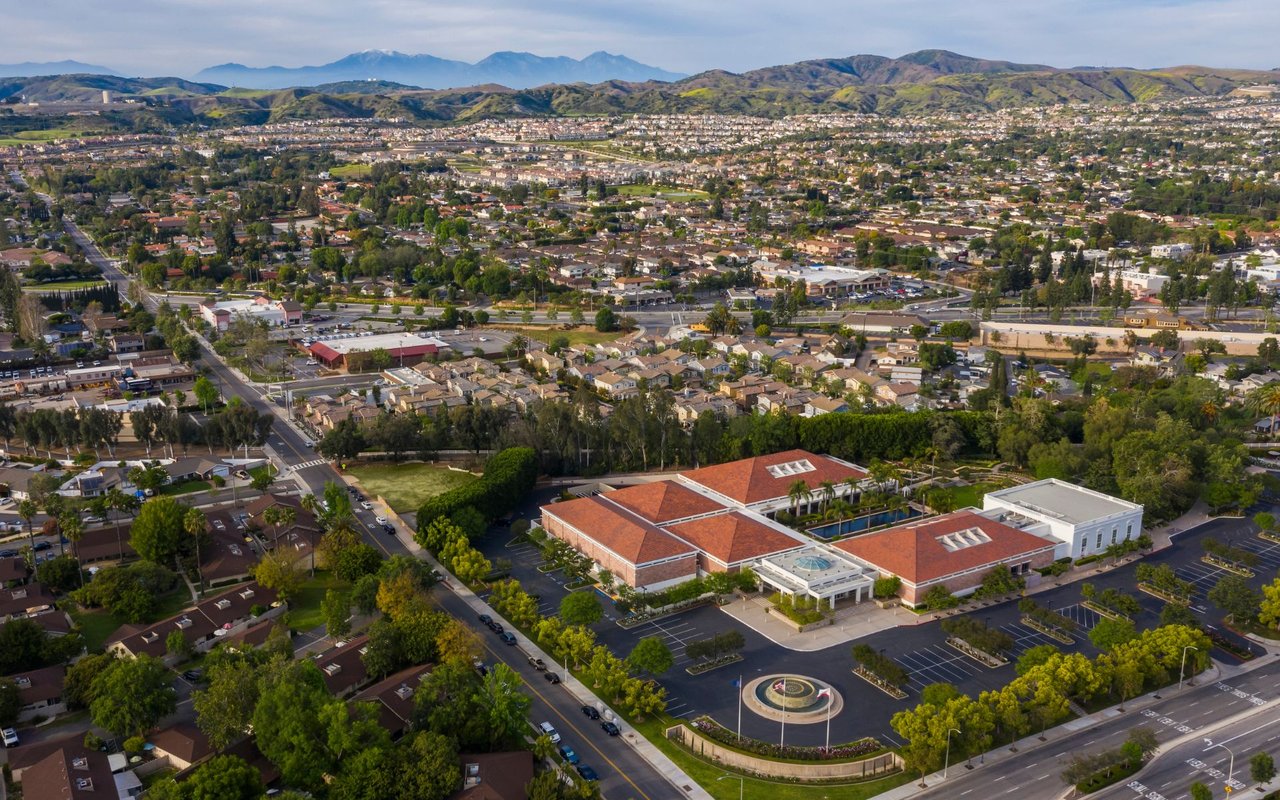
I am writing this from the perspective of someone who has hosted, attended, and been across the closing table from open houses in this hill for over twenty years. The market in Anaheim Hills right now sits at roughly $1.27 million for single-family homes, with the median selling timeline somewhere between 23 and 44 days depending on which corner of the hill you are in and how the property is priced. That backdrop, paired with mortgage rates hovering near 6.37 percent in May 2026, makes the open house a different animal than it was even a year ago.
I am Brian Kidd, a licensed California real estate broker and mortgage lender (CA DRE# 01901810) with Canyon Realty, and I have been working transactions across Anaheim Hills, Yorba Linda, and Villa Park for more than twenty years. I grew up in this part of north Orange County and have lived here for over forty years. The open house strategy I am about to walk you through reflects what I see actually working in this market, not the generic playbook from a national franchise script.
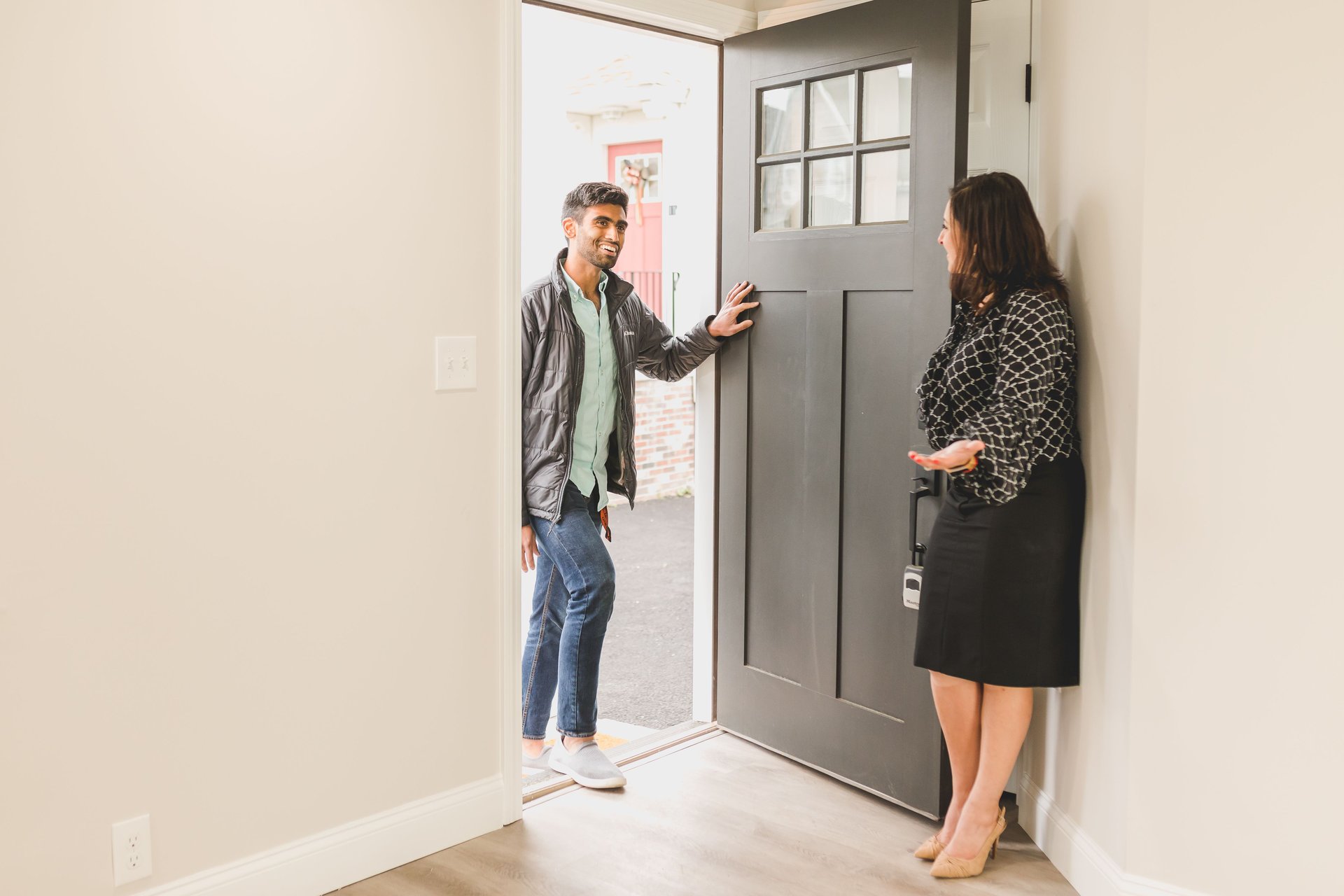
The buyers who walk through your door in the first weekend are often the most qualified ones. With Anaheim Hills homes going pending in 23 to 44 days, a strong opening matters. Reach Brian Kidd at (714) 404-8152 to talk strategy before your listing goes live.
Quick Take: The 2026 Open House Reality in Anaheim Hills
Open houses in Anaheim Hills now serve two different jobs. For sellers in the $1M to $1.5M range, they are still the fastest way to generate competing offers in a market where homes sell in roughly 23 to 44 days. For sellers above $2M, private showings produce stronger qualified buyers and open houses become a marketing event, not a primary driver. For buyers, the open house is the cheapest, lowest-pressure way to gather the comparables, neighborhood feel, and seller motivation signals you need to write a smart offer.
Why Anaheim Hills Open Houses Behave Differently in 2026
The first thing to understand is that Anaheim Hills is not a single market. It is at least three. Entry-level single-family homes in the $900K to $1.2M tier behave one way. Mid-tier hillside homes between $1.5M and $2M behave another. And the upper tier of Peralta Hills, Hidden Canyon, Belsomet, Summit Pointe, and the larger Mohler Loop estates behaves like a private-showing market dressed in open-house clothing. If you are selling, the right open house strategy depends on where your home sits in that pyramid. If you are buying, the open house tells you something different in each tier, and learning to read those signals is most of the game. If you want a head-on comparison of how to position your specific home against current Anaheim Hills inventory, my Anaheim Hills real estate agent page lays out my representation approach in more detail.
The 2026 buyer profile is more selective
Mortgage rates near 6.37 percent in May 2026 mean a buyer financing $1.2 million is looking at a principal-and-interest payment somewhere around $7,500 a month before taxes and insurance. That math has thinned the casual-shopper crowd significantly. The buyers walking through your door on a Sunday afternoon are far more likely to be qualified, motivated, and within 30 to 60 days of a real decision. That changes the math on every part of how the open house should be run.
Single-family homes in Anaheim Hills are commanding a median price near $1.275 million as of February 2026, with homes going to pending in roughly 23 to 44 days. That means the open house has to do real work, not just create the impression of activity.
The hillside factor still matters
Anaheim Hills is, by name and by topography, hilly. Buyers who tour in summer want to see the AC working, the pool sparkling, and the view actually visible through clean windows. Buyers who tour in fall and winter want to see how the home handles low afternoon sun, how the gas fireplace performs, and whether the patio is usable in 55-degree weather. The home is showing two different products depending on the month, and the strategy needs to follow.
For Sellers: Building an Open House That Earns Its Keep
If you are listing in Anaheim Hills in 2026, the question is not whether to host an open house but how to make sure each one moves the needle. Below is the framework I use with my listings, structured around the three jobs an open house actually does: generating qualifying foot traffic, gathering competitive feedback, and creating a sense of momentum that supports a stronger price.
Choose the right opening weekend
The single biggest mistake I see is launching the open house the same weekend the listing goes live. By Saturday morning of week one, the right buyers have already booked private showings through their agents. The open house that weekend ends up filled with neighbors, casual lookers, and the early curious. That is fine for buzz, but it does not generate offers. My approach with most Anaheim Hills listings is to launch on a Tuesday or Wednesday, host private showings Thursday and Friday, and run the first open house Saturday or Sunday. By then, the qualified buyers know about the home and the open house pulls in the next layer of serious shoppers who are still circling.
Pick the right time window
One to four in the afternoon is the default for a reason. It catches the after-church crowd, the late-brunch crowd, and gives buyers daylight to evaluate the views, the yard, and the natural light. In summer, I push start times slightly later (1:30 to 4:30) to avoid the worst midday heat in the Hidden Canyon and Canyon Heights corridors. In winter, I keep it traditional. Two-hour open houses signal that the seller is uncommitted. Three full hours signals confidence and gives buyers room to come back twice.
Stage for how Anaheim Hills buyers actually live
The Anaheim Hills buyer in 2026 wants to see indoor-outdoor flow, a real cook's kitchen, a primary suite that functions like a private wing, and at least one space that reads as a home office. If your home staging does not address those four needs, you have a hole. I cover the room-by-room playbook in detail in my piece on how to stage your Anaheim Hills home for maximum sale price, but for open house day specifically, your priorities are these: every overhead light on, every window blind open, every counter cleared except for one or two intentional vignettes, fresh flowers in two locations, and a thermostat set at 70 degrees regardless of the outside temperature.
The single highest-ROI open house investment I have seen in Anaheim Hills is professional cleaning of windows and the back patio the day before. Buyers will not articulate it, but a sparkling view through clean glass shifts perceived value more than any single staging change.
The 48-hour pre-launch checklist
Two days before the open house, I want every Anaheim Hills listing to have these things addressed: pool cleaned and chemistry checked, lawn and shrubs trimmed, front door hardware polished, all light bulbs working at a consistent color temperature (no mixing soft white with daylight), HVAC filter replaced so the system smells clean when it kicks on, doormats swapped for new ones, garage decluttered or hidden behind a closed door, and the seller's daily life packed into closets and cars. Buyers will open closets. Buyers will look in the garage. Buyers will check under the kitchen sink. Anything you do not want them to see needs to be off-property for the four hours.
Manage security like a pro, not an amateur
This is the part most sellers underweight. An open house is, by definition, an invitation for strangers to walk through your home unsupervised in some rooms. That demands real planning. Before each open house, I personally walk every Anaheim Hills listing and remove or lock down: prescription medications, jewelry, watches, checkbooks, mail with personal information visible, firearms (in California these must be in a locked container regardless), tax documents, computers and tablets that contain stored passwords, spare keys, garage door openers, and the contents of any home safe. California's expanded 2026 disclosure environment, including the new electrical and gas appliance disclosures under SB 382 and the tobacco-residue disclosure, has also made buyers more curious about looking inside cabinets and utility spaces. Plan accordingly.
I also keep a sign-in sheet at the door, but here is the honest truth: most serious buyers will sign in with a fake name or just initials. The real value of the sign-in is signaling to less-serious lookers that the home is being supervised and tracked. The actual lead generation comes from the conversations you have, not the paper trail.
Working the room without working the room
The right open house host is engaged but not aggressive. I greet every visitor at the door, hand them a property flier, mention one or two specific selling points (the canyon view, the recent kitchen remodel, the school boundary), and then let them walk. I circle back when they are in the kitchen or the primary bedroom because those are the rooms where buyers form their gut response. I never follow buyers room to room and I never ask if they are working with an agent in the first three minutes. By the time they are heading toward the door, I can usually tell whether they are casual, curious, or serious. With the serious ones I ask the simple question: what would have to be true about this house for it to be the one. Their answer tells me everything I need to take back to the seller.
The follow-up window is the open house
Every contact I make on Sunday gets a personal text or email by Monday morning, with a short property summary, the disclosure package link, and one specific reference back to something we talked about at the door. That follow-up is where the open house actually generates offers. Without it, you have hosted a tour. With it, you have started a negotiation.
For Buyers: Treating the Open House Like an Intelligence Mission
If you are shopping in Anaheim Hills, every open house you walk through is free education that you do not have to schedule, request, or owe anyone for. Used right, a Saturday afternoon at three open houses can teach you more about what your money buys at this price point than a month of scrolling Zillow. The trick is knowing what to look for and what to ignore.
Walk in with a question, not a fantasy
The buyers who get the most out of open houses in Anaheim Hills come in with one specific question they want answered. Maybe it is: how does a 4,000 square foot home in this price range actually feel inside, or what does a hillside lot really look like under foot. Maybe it is: how loud is the 91 freeway from a Belsomet living room, or how does the afternoon sun hit a west-facing primary bedroom in Almeria. The goal of the visit is to leave with a real answer, not just a vibe. If you are still trying to decide whether Anaheim Hills is the right city for your family, my comparison of Anaheim Hills versus Yorba Linda is the better starting point before you start touring.
Read the home inspector's eyes, not the staging
Staging is designed to make you feel something. Your job is to make yourself look at what staging hides. Look at the baseboards in the bedrooms (settling cracks tell you about foundation movement). Look at the ceilings in the upstairs hallways and bathrooms (water staining or fresh paint over a stain tells you about roof or plumbing history). Open the cabinet under every sink (rust, swelling, or a fresh dehumidifier tell you about leaks). Walk the perimeter of the yard and look at how the soil meets the foundation (sloping toward the house is a drainage problem). Look at the window seals on the dual-pane windows for that fogged condensation between panes. None of these things are deal-breakers. They are negotiation leverage.
Ask the listing agent the right four questions
The listing agent at an open house is not legally allowed to misrepresent the property, but they are also not obligated to volunteer everything they know. The right questions pull useful information without putting them on the defensive. I tell my buyer clients to ask: how long has it been on the market, what was the original list price compared to today, what is the seller's timeline and reason for selling, and what feedback have they been getting from other showings. Those four questions, asked conversationally, give you the substance of the seller's situation without you ever showing your hand.
Time the visit for what you want to learn
If you tour the home at 2 p.m. on a Sunday, you have learned what it looks like at 2 p.m. on a Sunday. That is one data point. Drive by the same home at 5 p.m. on a Tuesday to see what the rush-hour traffic on Santa Ana Canyon Road or Imperial Highway sounds like. Drive by at 10 p.m. on a Friday to see what the street lighting and neighborhood noise feel like. If you are seriously interested, request a second showing through your agent at a completely different time of day. The home that looked perfect at noon may have a totally different energy in the late afternoon, and you want to know that before you write an offer at $1.4 million.
Bring an agent the moment you get serious
This is the part that confuses a lot of buyers, so let me clear it up. You can absolutely walk into an open house without your buyer's agent present. That is the whole point of an open house. But the moment you start having serious thoughts about a specific home, you want representation in place before you talk numbers, write anything down, or accept anything from the listing agent. Once you have signed a buyer-broker agreement with an agent, that agent represents your interests in any negotiation on that home. If you start the conversation with the listing agent and they end up writing your offer, the same person represents both sides of the deal, and that is rarely in the buyer's interest. As both a licensed broker and a mortgage lender, I have seen unrepresented buyers leave real money on the table in this market because they did not have someone in their corner pushing back on price, terms, or repair credits. If you want to walk into open houses with that representation locked in, my buyer's guide walks through how the engagement works.
The Open House Strategy by Anaheim Hills Price Tier
Strategy at $1 million looks completely different from strategy at $2.5 million. The table below shows how I think about open house cadence, format, and follow-up depending on where the listing sits.
Open house strategy by price tier in Anaheim Hills, 2026
The strategy at the top tier has shifted noticeably since 2024. Sellers in Peralta Hills and Hidden Canyon are now far more likely to skip the traditional open house entirely in favor of broker tours, twilight cocktail events, and pre-vetted private showings. The qualified buyer at $2.5M does not need a Sunday tour to discover the home, and discretion matters to many of these sellers.
What the 2026 Disclosure Environment Means for Open House Day
California's seller disclosure requirements expanded meaningfully on January 1, 2026, and the open house is one of the moments when those new rules become tangible. Sellers must now disclose any known tobacco or nicotine residue and any known history of smoking activity on the premises, including from electronic cigarettes and vaping devices, with a buyer right to cancel inside three days of personal delivery (five days by mail or electronic delivery). SB 382 added a detailed electrical-system disclosure and a disclosure about local rules that may require gas appliance replacement at sale. AB 723 requires real estate professionals to disclose when listing photos have been digitally altered or AI-generated.
Practically, that means three things at the open house. First, the disclosure packet should be printed, organized, and offered to anyone who asks. Buyers in 2026 are reading these documents more carefully than they did three years ago. Second, the seller and the listing agent should be aligned on the answers to predictable questions: has anyone smoked in the home, what is the age and condition of the electrical panel, and which photos in the listing were enhanced. Third, buyers walking through should remember that anything verbal at an open house is not a substitute for what is in writing in the disclosures. If something matters, it needs to land in the disclosure packet or the purchase contract.
Beginning January 1, 2026, California's SB 382 requires sellers to provide a detailed disclosure about the home's electrical system and any local rules that may mandate replacing gas appliances during a sale. That disclosure now lives in the same packet buyers ask for at open houses.
The Mortgage Reality Behind Every 2026 Open House
I look at every open house I host through both lenses I carry: the broker's lens and the lender's lens. The lender lens is the one most buyers and many agents underweight. With 30-year fixed rates at 6.37 percent in early May 2026 and the Federal Reserve currently holding its policy rate in the 3.5 to 3.75 percent range, the financing math sets the ceiling on what the buyer in your living room can actually pay.
For a buyer putting 20 percent down on a $1.3 million Anaheim Hills home, the loan amount is $1.04 million. At 6.37 percent over 30 years, principal and interest run roughly $6,490 per month, before adding property taxes (about 1.1 percent annually, or $1,192 per month), homeowner's insurance (around $250 per month for a standard home in this hillside zone, more if it sits in a higher fire-risk overlay), and any HOA dues. The total monthly carrying cost lands somewhere between $8,000 and $9,500. To qualify under conventional debt-to-income guidelines, that buyer typically needs a household income north of $250,000.
Why does this matter at the open house? Because the seller and the buyer are negotiating around that ceiling. Sellers who understand it can structure rate buy-down credits or closing-cost concessions that move qualified buyers off the fence without dropping the listing price. Buyers who understand it can identify whether they are negotiating from strength or whether a small rate move would change their entire price range. As both a licensed broker and a mortgage lender, this is the conversation I have at every open house with every serious buyer. It is also one of the clearest differentiators between a transactional open house and one that actually closes.
Open Houses for Estate Sales, Probate, and Inherited Anaheim Hills Homes
One scenario worth covering separately: the open house for a home being sold out of an estate, trust, or probate matter. I have walked many families through this process over the years, and the open house in these situations is genuinely different. The home is often partially furnished, has been lived in for decades, and reflects the previous owner's tastes rather than current market expectations. The family is grieving and managing logistics from a distance. The buyers know all of this the moment they walk in.
My approach with probate and trust sales is usually to keep the open house format simple and the staging minimal. A clean, decluttered, well-lit home with honest disclosures about deferred maintenance often performs better than a heavy staging effort that buyers can see through. The buyer demographic for these homes skews toward investors, contractors, and families willing to update over time, and they are reading the open house for value and condition, not finishes. If you are dealing with an inherited Anaheim Hills home and weighing whether to renovate before listing or sell as-is, the open house response in the first weekend will tell you more than any contractor estimate. I have walked families through both paths, and the right answer almost always becomes obvious by Sunday evening.
The Open House Mistakes That Cost Anaheim Hills Sellers Real Money
I have catalogued the patterns enough times to be specific. The mistakes below show up over and over and they are all preventable with two days of planning. If you want the broader version of this list, my piece on selling a home in Anaheim Hills covers the full transaction. For the open house specifically, watch for these.
Underestimating temperature management is mistake number one. Setting the thermostat to 75 degrees in July to save on the AC bill kills offers. Buyers walk in, feel the heat, and unconsciously discount the home by tens of thousands. The cost of running the AC at 70 degrees for four hours is meaningless compared to that perception hit. Mistake number two is leaving the family pet on the property. I do not care how well-behaved your dog is, the pet stays off-property during showings. The smell, the hair, the noise, and the buyer who turns out to be allergic all subtract from your offer count. Mistake number three is the seller staying in the home. Buyers cannot honestly evaluate a home with the owner in the next room. They speak in whispers, they cut their tour short, and they give the listing agent diplomatic non-feedback. You leave for four hours. Mistake number four is failing to refresh the open house weekend after weekend. The same flowers, the same staging, the same script for three weeks running tells the buyer pool that nothing is moving. Small refreshes (new produce in the kitchen bowl, different background music, a new welcome card by the door) signal that the home is being actively cared for.
Mistake number five is the most subtle. It is failing to use the open house feedback to make a price or condition decision in week two. If you have hosted three open houses, generated 60 visitors, and received zero offers, the market is telling you something specific. The home is overpriced for its condition, mispriced for its location, or both. The seller who acts on that signal in week two ends up selling for more than the seller who waits until week six. Pull the data, make the call, move forward.
The Open House as a Buyer's Negotiation Tool
For buyers, the open house is not just where you look at homes. It is where you collect the data that lets you write a stronger offer when you find the right one. Every open house you walk through in your target price range gives you four pieces of useful information: what the inventory at this price point looks like in physical reality (not Zillow photos), how aggressive other buyers are circling, what the listing agents are saying about market temperature, and where the gaps are between staging and substance. After visiting six to ten Anaheim Hills open houses in your range, you will know more about local pricing than most buyers ever bother to learn, and that knowledge is leverage.
When you finally find the home, that backlog of comparison data is what lets you and your agent decide whether to come in at asking, above asking with an escalation clause, or below asking with a strong all-cash or rate-locked financing position. Buyers who skip the open house tour and only see homes by appointment with their agent often end up writing offers based on Zillow estimates and gut feel. That is not a position of strength in this market.
What a Strong Anaheim Hills Open House Looks Like Start to Finish
To make this concrete, here is the rhythm of an open house I would run on a 4,200-square-foot listing in the $1.65 million range in Anaheim Hills, on a Sunday in fall 2026. Friday afternoon: deep clean inside and out, windows washed, pool cleaned, lawn mowed. Saturday morning: staging refresh, fresh flowers, new doormats, full disclosure packet printed. Saturday evening: thermostat dropped to 68 degrees overnight to pre-cool the home for Sunday. Sunday at 11 a.m.: I arrive, walk the home, turn on every light, open every blind, and place property fliers in the kitchen and at the door. Sunday at 12:30 p.m.: I open the front door, place A-frame signs at the two main approaches, and start greeting visitors. Sunday from 1 to 4 p.m.: open house runs, with me circulating, talking, and taking notes. Sunday at 4:15 p.m.: I lock up, walk the property to confirm nothing is missing or moved, and call the seller with a real-time read on the day. Monday morning: every interested buyer gets a personal follow-up. Monday afternoon: I and the seller decide whether to refresh the strategy for next weekend or whether to wait on the offers that just came in.
That is the difference between a hosted open house and a strategic one. The hosted version creates the impression of activity. The strategic version creates the actual offers.
Frequently Asked Questions
Are open houses worth it for sellers in Anaheim Hills in 2026?
For homes priced between $900,000 and $1.6 million, yes, open houses remain one of the fastest ways to generate qualified foot traffic and competing offers in a market where median time on market runs 23 to 44 days. Above $2 million, private showings produce stronger qualified buyers and the open house becomes a marketing event rather than the primary sales driver.
What should I bring to an Anaheim Hills open house as a buyer?
Bring your phone for photos and notes, a notebook if you prefer paper, and a printed list of the questions you want answered. Many serious buyers also bring a tape measure for verifying space for specific furniture. If you are within a few weeks of writing an offer, bring your agent or have already signed a buyer-broker agreement so representation is in place when you find the right home.
How long should an Anaheim Hills open house be?
Three hours is the sweet spot, typically 1 p.m. to 4 p.m. on Sunday, or 1:30 p.m. to 4:30 p.m. in summer to avoid peak heat. Two-hour open houses signal seller indifference. Four-hour windows over-extend the host and produce diminishing returns after the first two and a half hours.
Should I attend the open house if I already have a buyer's agent?
Yes, and you can mention that you are working with an agent when you sign in or when the listing agent asks. This is normal and expected. Your buyer's agent does not need to be present for you to attend an open house, and attending without them lets you tour without scheduling pressure. Just keep the conversation about pricing and offer terms with your own agent, not the listing agent.
Do open houses actually attract qualified buyers, or just neighbors?
In 2026, with 30-year mortgage rates near 6.37 percent and median home prices in Anaheim Hills above $1.27 million, the cost of being a casual shopper is high. Most weekend open house traffic is now real buyers within 30 to 90 days of a decision, not the casual lookers of a decade ago. Neighbors still attend, but they typically represent 10 to 20 percent of foot traffic, not the majority.
What disclosures should I expect to see at a 2026 California open house?
The disclosure packet should include the standard Transfer Disclosure Statement, Natural Hazard Disclosure, lead-based paint disclosure for pre-1978 homes, and the new 2026 disclosures covering tobacco and nicotine residue, gas-powered appliances, and the home's electrical system under SB 382. If the marketing photos were AI-altered or digitally enhanced, AB 723 requires that to be disclosed as well.
Can I make an offer the same day I see the home at an open house?
Yes, and in a competitive Anaheim Hills situation that timing can matter. If the home is well-priced and well-presented, multiple offers can come in within 48 hours of the first open house. Have your buyer's agent and your lender pre-positioned so you can write a strong offer quickly when the right home appears. As a licensed broker and mortgage lender, this is one of the workflows I run for my buyer clients.
Ready to Make Your Open House Strategy Work in Anaheim Hills
Whether you are preparing to list or actively shopping, the open house is one of the few real-estate events where small choices add up to real dollars. I have been running this playbook in Anaheim Hills, Yorba Linda, and Villa Park for over twenty years and I am still surprised by how often a small adjustment (the time of day, the temperature, the question asked at the door) changes the outcome of a transaction. If you are weighing a listing decision, my seller's process page walks through how I structure preparation, marketing, and open house cadence for north Orange County properties. If you want a current read on what your home would actually sell for in the Anaheim Hills market, my free home valuation request goes through me directly, not a generic algorithm.
I am Brian Kidd, broker and mortgage lender at Canyon Realty, CA DRE# 01901810. Twenty-plus years selling Orange County real estate, forty-plus years living in Yorba Linda, and a dual license that lets me handle both the transaction and the financing side of the conversation. I will tell you if your home is overpriced, I will tell you if a property you are considering has structural issues no one else has flagged, and I will give you the honest read on what the open house is actually telling us. Reach me at (714) 404-8152, by email at [email protected], or through my contact page. The Canyon Realty office is at 996 S Brianna Way, Anaheim, CA 92808.