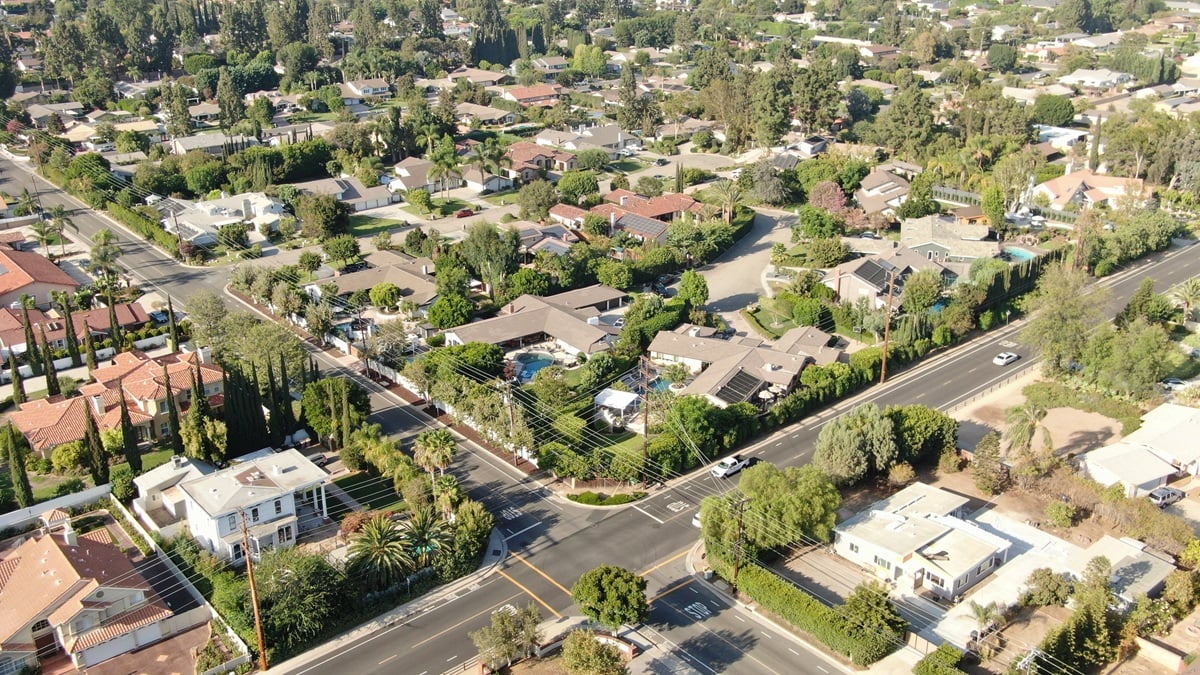
Downsizing in Yorba Linda is a different kind of real estate transaction. The seller is not chasing the next career move or upgrading for a growing family. The seller is, in most cases, a longtime Yorba Linda homeowner who bought the family home in the 1990s or early 2000s for $400,000 to $700,000, raised children there, paid the mortgage down or off, and is now staring at $1.6 million to $2.5 million in trapped equity inside a 3,800 square foot home that the kids no longer live in. The downsizing decision is part financial, part emotional, part lifestyle, and part legal. Done right, the move unlocks meaningful retirement equity, reduces monthly carrying costs by 40 to 70 percent, and frees up the time and energy that a too-large family home consumes. Done wrong, it leaves significant capital gains tax on the table, mistimes the next purchase, or pushes you into a smaller home that does not fit the next chapter of your life.
I grew up in Yorba Linda. 40+ years here. Many of my clients are people I have known since high school, since my kids were in PYLUSD schools, or since I sold them their forever home back in the late 1990s. As your Yorba Linda real estate agent, I have walked dozens of empty-nester clients through the downsizing decision over the past 20+ years, and the math has shifted significantly in 2026 because of California Proposition 19, the current rate environment, and the structural changes in the state's downsizing market. This guide walks through what every Yorba Linda empty nester needs to understand before listing the family home: the tax tools, the timing, the emotional process, the next-home options, and the listing strategy that maximizes your net at close.
If you are 55 or older, own a Yorba Linda home you bought decades ago, and the kids are grown, you have more flexibility and more financial leverage than you probably realize. The right downsizing plan in 2026 can transfer your low Proposition 13 property tax base to your next California home, exclude up to $500,000 of capital gains from federal taxation, sell your current home for top dollar in summer or early fall, and buy your next home before the holiday slowdown. The numbers below are what I see across actual Yorba Linda downsizing transactions in mid-2026.
Sitting on $1.6M+ in trapped equity in your Yorba Linda family home? The 2026 summer market window for top-dollar sales is closing. Call Brian Kidd at (714) 404-8152.
Quick Answer: The Yorba Linda Downsizing Math in 2026
A typical Yorba Linda empty-nester downsizing transaction in mid-2026 looks like this. The longtime family home sells for $1.6 to $2.4 million, after 6 percent in commissions and closing costs the seller nets approximately $1.5 to $2.25 million. Federal capital gains exclusion (Section 121) shields the first $500,000 of gain for married couples filing jointly ($250,000 for single filers), and California taxes the remainder as ordinary income. California Proposition 19, in effect since April 2021, allows homeowners 55 and older to transfer their primary residence's low property tax base to a replacement primary residence anywhere in California, up to three transfers in a lifetime, with specific rules around timing and replacement value. The right Yorba Linda listing strategy in 2026 typically yields a 14 to 30 day market time at full price for accurately priced, well-prepared homes. To run the numbers for your specific situation, call Brian Kidd at (714) 404-8152.
When Downsizing Makes Sense and When It Does Not
The first conversation I have with a downsizing client is the conversation about whether to downsize at all. Just because the kids are gone does not automatically mean the family home should be sold. There are good reasons to stay and good reasons to go, and the decision deserves serious thought before any agent lists the home or pulls comps.
Reasons that point toward downsizing: the home is materially larger than two people need (4,000 square feet for a couple is genuinely excessive in 2026); the upkeep is starting to feel like a part-time job; property tax and insurance and HOA and utilities together are $1,800 to $2,800 a month; the equity is significant and the retirement portfolio could benefit from rebalancing; one or both spouses have mobility considerations that make a single-story home attractive; the location no longer fits your lifestyle (you used to value PYLUSD school zoning, now you value walkability or proximity to grandchildren); and there is a clear next chapter, whether that is travel, a smaller home in a better climate, or a 55+ community.
Reasons that point toward staying: you have low or no remaining mortgage and your monthly cost basis is already manageable; the home holds significant emotional weight beyond financial value; your social network is anchored in the immediate neighborhood; there is no clear better option for the next home; the capital gains tax bill on the sale would be material and not strategically advantageous; or you simply do not want to move. Any of these is a legitimate reason to stay.
The mistake I see most often is sellers who downsize because they think they should, rather than because they have a clear vision for the next home. A downsize without a destination usually leads to a regrettable second move within 18 to 36 months. As your agent, my job is not to convince you to sell. It is to help you make the right decision for your family and, if that decision is to sell, to maximize your net at close.
The Emotional Side of Selling the Family Home
Selling a home where you raised your kids is emotionally heavy in a way that selling a starter condo never is. The doorframe in the kitchen has the pencil marks where you measured the kids' height. The backyard is where you hosted graduations and birthdays. The dining room is where you carved 25 turkeys. Walking buyers through that home as a commodity is hard, and pretending otherwise is not useful.
I take this part of the process seriously. With longtime homeowner clients, I build extra time into the prep phase: time to walk the home and decide what to take with you, time to photograph the spaces that matter, time to talk through the staging plan that keeps the home feeling like home until the last week before listing. We schedule the heavy decluttering on dates that work for your timeline, not the listing's. We keep family heirlooms, art, and meaningful pieces protected and tracked, not just shoved into a storage unit.
For some clients, professional support during the transition is genuinely useful. Senior move managers (a category of professional that did not exist 20 years ago and is now a real industry) help with sorting, packing, downsizing decisions, and the logistics of the move itself. They typically charge $80 to $150 per hour or work on a project basis. For empty nesters with two or three decades in the same home and 4,000 square feet of accumulated belongings, a good senior move manager is one of the best investments in the entire transition.
For families navigating a downsize that is also tied to the loss of a spouse, the death of a parent, or another life event, the home sale is part of a larger emotional process. I have specific experience handling probate home sales, inherited property transactions, and trust sale listings, and my approach in those situations is built around dignity, clear communication, and accurate pricing rather than the speed-and-volume listing posture that works for a transactional buyer-seller. Selling a home after a loss is different, and I handle it that way.
The Financial Case: Why Downsizing in 2026 Often Pencils Out
The financial benefits of downsizing in Yorba Linda in 2026 are real and quantifiable. Three numbers matter most: the equity you unlock, the carrying-cost reduction, and the tax-efficient handling of the gain.
Equity unlock is the most visible benefit. A Yorba Linda homeowner who paid $475,000 for the family home in 1998 and now sells for $1.85 million has a gross gain of $1.375 million, less typical 6 to 7 percent in commissions and closing costs ($110,000 to $130,000), less mortgage payoff if any. After Section 121 federal capital gains exclusion of up to $500,000 for married couples (or $250,000 for single filers), the remaining capital gain is taxable at 15 to 20 percent federal long-term capital gains rates plus California's ordinary-income rate (which can reach 13.3 percent at the top brackets). On the math above, the after-tax net cash from sale typically lands at $1.3 to $1.55 million, which is meaningful liquidity for retirement, the next home purchase, or both.
Carrying cost reduction is the under-appreciated benefit. The family home in Yorba Linda often costs $1,800 to $2,800 a month in property tax, insurance, HOA (where applicable), utilities, gardening, and routine maintenance, before any mortgage payment. A downsize to a 1,800 square foot home or condo in Yorba Linda or a similar Orange County community typically reduces those carrying costs to $900 to $1,400 a month, a $700 to $1,800 monthly savings that compounds meaningfully over a 15 to 25 year retirement.
Tax-efficient handling of the gain is the leverage point. The Section 121 federal exclusion is the single largest tax benefit available to most American homeowners, and it applies to primary residences where the seller has owned and used the home as their primary residence for at least 2 of the past 5 years. For a Yorba Linda empty nester who has lived in the home for 20+ years, the qualification is automatic. The exclusion is $250,000 for single filers and $500,000 for married couples filing jointly. Above the exclusion threshold, gains are taxed at federal long-term capital gains rates and California ordinary income rates.
For sellers concerned about the tax bill on gains above the Section 121 exclusion, a 1031 exchange does not apply to a primary residence (1031 exchanges are for investment property only), but other planning tools are available, including timing the sale across tax years, charitable remainder trusts, qualified opportunity zones, and basis step-up planning at end of life. These are CPA and estate-attorney conversations, not real estate agent conversations, and I always tell my clients to engage their own tax counsel before pulling the trigger on a sale that triggers significant capital gains.
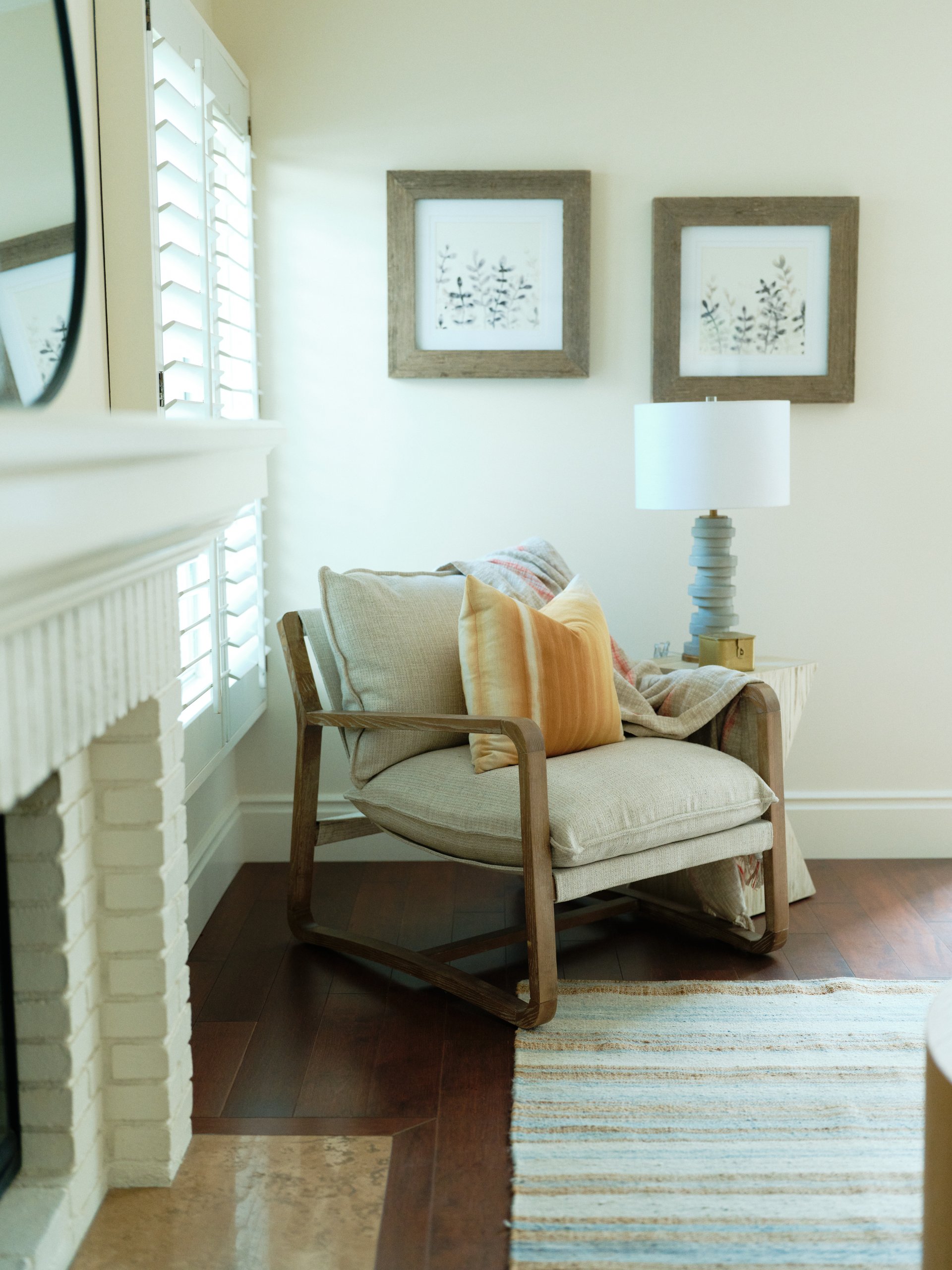
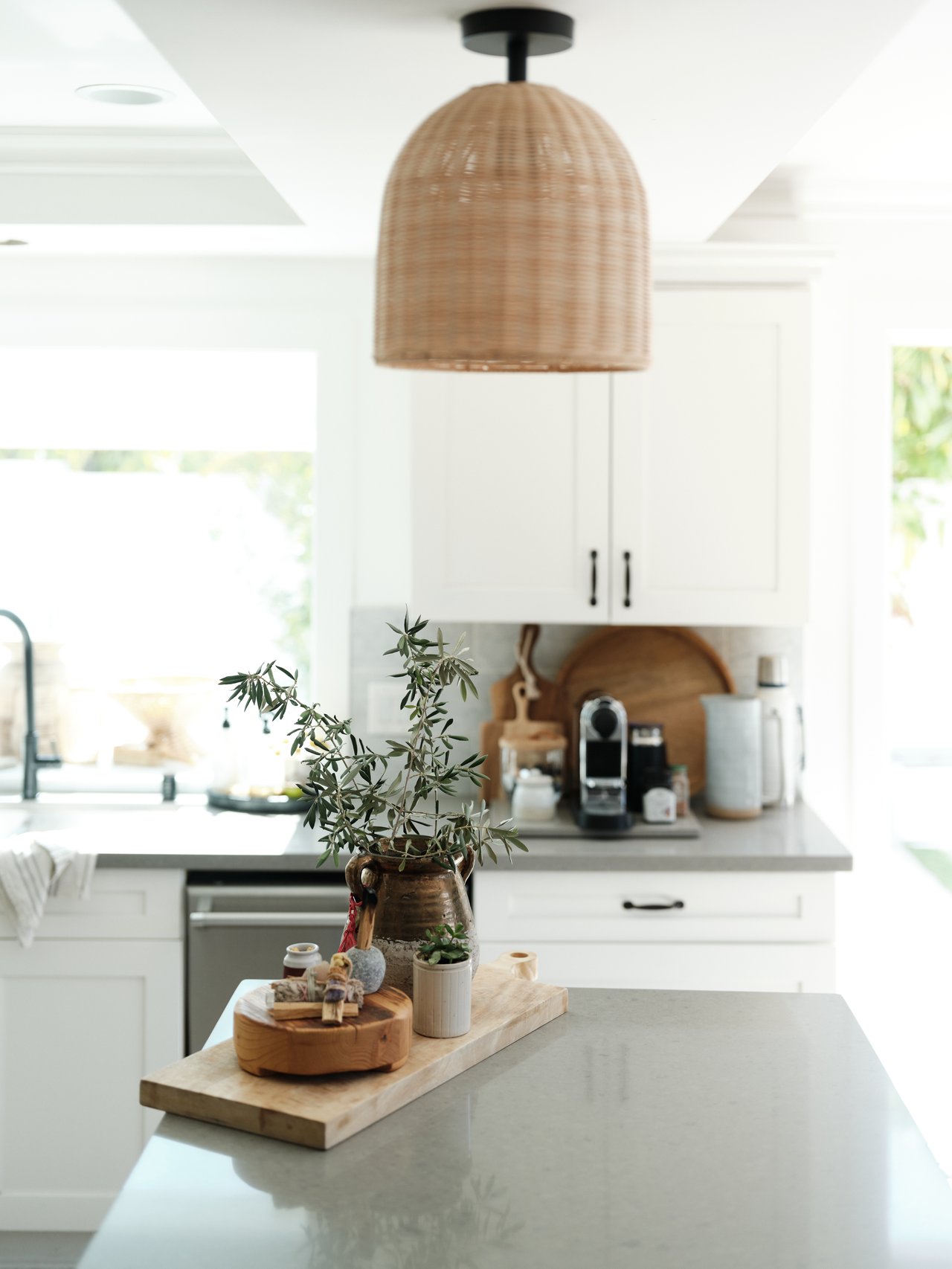
Good staging doesn't erase 25 years of memories, it just helps buyers see the next chapter for this space. That balance is exactly what Brian Kidd helps Yorba Linda sellers get right.
California Proposition 19: The Property Tax Lever Most Sellers Underuse
California Proposition 19 became effective on April 1, 2021, and it is the single most important property tax tool for Yorba Linda empty-nester downsizers in 2026. Many of my clients have heard of it but do not understand how powerful it is until we run the numbers.
Here is what Proposition 19 does for homeowners 55 and older. It allows you to transfer your existing primary residence's assessed property tax value (your low Proposition 13 base from the year you bought) to a replacement primary residence anywhere in California, up to three transfers in your lifetime. The replacement home must be purchased or newly constructed within two years of the sale of the original home. If the replacement home is of equal or lesser value than the original, the transferred tax base remains the same. If the replacement home is of greater value, the difference is added to the tax base.
An example makes this concrete. A married couple bought their Yorba Linda home in 1998 for $475,000. The current Proposition 13 assessed value is approximately $620,000 after 28 years of capped 2 percent annual increases. Annual property tax at the typical Orange County rate of 1.05 to 1.15 percent of assessed value is roughly $6,500 to $7,100. They sell the home for $1.85 million in 2026 and buy a $1.4 million single-story home in Yorba Linda or a 55+ community in OC. Without Proposition 19, the new home would be reassessed at $1.4 million and the new annual property tax would be approximately $14,700 to $16,100, a $7,600 to $9,000 annual increase. With Proposition 19, the original $620,000 assessed value transfers to the new home, and the annual property tax remains approximately $6,500 to $7,100. That is a $7,600 to $9,000 annual savings, every year, for as long as the homeowner lives in the replacement home.
Proposition 19 has specific rules. The seller must be 55 or older (or severely disabled, or a victim of a natural disaster). The transfer must happen within two years of the original home sale. There is a maximum of three transfers in a lifetime. The replacement home must be the homeowner's primary residence. If the replacement home costs more than the original sale price, the difference between sale price and replacement price is added to the transferred tax base, which can still result in significant tax savings.
I always tell Yorba Linda downsizing clients to factor Proposition 19 into the listing decision before they list. The combination of locking in the low tax base, reducing carrying costs, and unlocking equity is what makes downsizing in 2026 frequently the most financially beneficial move available to longtime Yorba Linda homeowners. As both a licensed real estate broker and a licensed mortgage lender, CA DRE# 01901810, I help clients model the full cost of ownership, including the property tax savings, on the replacement home before we list.
Timing the Sale and the Next Purchase
Timing is the most underrated piece of the downsizing transaction. The right sequence captures the seasonal selling premium on the original home, secures the next home before the holiday slowdown, and minimizes the risk of being stuck temporarily renting between sale and purchase.
The default sequence I recommend for Yorba Linda empty nesters in 2026 is the "sell first, buy with contingency" approach. List the family home in early to mid summer (typically late June through late July) when buyer demand is strongest, days on market are shortest, and prices are at their seasonal peak. Once the home is in escrow, with all major contingencies removed, begin actively touring replacement homes. Aim to close on the next home within 30 to 60 days of closing on the original home, with the option to use the leaseback provision common in Yorba Linda transactions where the seller stays in the home for 30 to 60 days post-close while finalizing the next purchase.
The "buy first, sell second" approach is sometimes the right call but it carries more risk. It works if you have liquid capital to fund the down payment on the new home before the original home sells, or if you qualify for a bridge loan, or if you can carry both mortgages briefly. As a licensed mortgage lender, CA DRE# 01901810, I help clients assess whether the buy-first sequence is feasible based on their actual financial profile. For most longtime Yorba Linda homeowners with significant equity and modest current mortgage balance, the buy-first approach is feasible but not always optimal.
Worst-case scenarios to avoid: listing the family home in November or December (lowest demand of the year, likely 2 to 4 percent price reduction relative to summer comparable sale); waiting until rates fall before listing (the right time to list is when your life is ready, not when rates are at a particular number); and entering the buyer market without a pre-approval or proof of funds (in a competitive market, sellers prefer offers from buyers who are clearly ready to close).
For sellers asking how long the sale itself will take, the how long does it take to sell a house in Yorba Linda 2026 guide breaks down the data.
Decluttering 25+ Years of Accumulated Belongings
The decluttering phase is the longest and most emotionally taxing part of the downsizing process. A 4,000 square foot Yorba Linda family home accumulates a remarkable volume of belongings over 25 years: the kids' childhood artwork, holiday decorations from every season, sports equipment from every phase, kitchen appliances bought once and used three times, books, files, photographs, furniture, clothes that no longer fit, gifts from relatives that were never quite right, and the genuinely meaningful pieces buried among everything else.
I tell Yorba Linda empty nesters to budget 8 to 16 weeks for decluttering before listing. Not 8 to 16 days. The realistic schedule is two to four hours per day, four or five days a week, for two to four months. The work is exhausting because every box of decisions is also a box of memories.
The framework I use with my downsizing clients is simple. Sort every item into one of four categories: keep (going to the next home), gift (specific person identified), sell (worth listing on Facebook Marketplace, OfferUp, eBay, or in an estate sale), or donate. Set rules in advance for the borderline items. For example, "I am not keeping any clothing item I have not worn in five years" or "I am not keeping kitchen appliances I have not used in three years." The rules make hard decisions easier in the moment.
Estate sales are a useful option for higher-volume decluttering. A professional estate sale company prices, stages, and runs a weekend sale at the home, typically taking 25 to 35 percent commission on the gross. The remaining proceeds are net to the seller. For a typical Yorba Linda family home, an estate sale generates $5,000 to $25,000 in net proceeds depending on the quality of the inventory.
Donations should be timed to align with tax planning. Charitable contributions are deductible at fair market value if itemized, and a substantial donation ($5,000+) requires a written appraisal. Track everything. Get receipts. Hand them to your CPA at year end.
Storage is the safety valve for items where the keep-or-go decision cannot be made before listing. A 10x10 climate-controlled storage unit in Yorba Linda or Anaheim Hills runs $200 to $325 per month in 2026. Use storage for the genuine "I cannot decide right now" items, but set a hard deadline (90 to 180 days post-close on the new home) for resolving the decision. Long-term storage is rarely cost-effective; it is a way of postponing decisions, not making them.
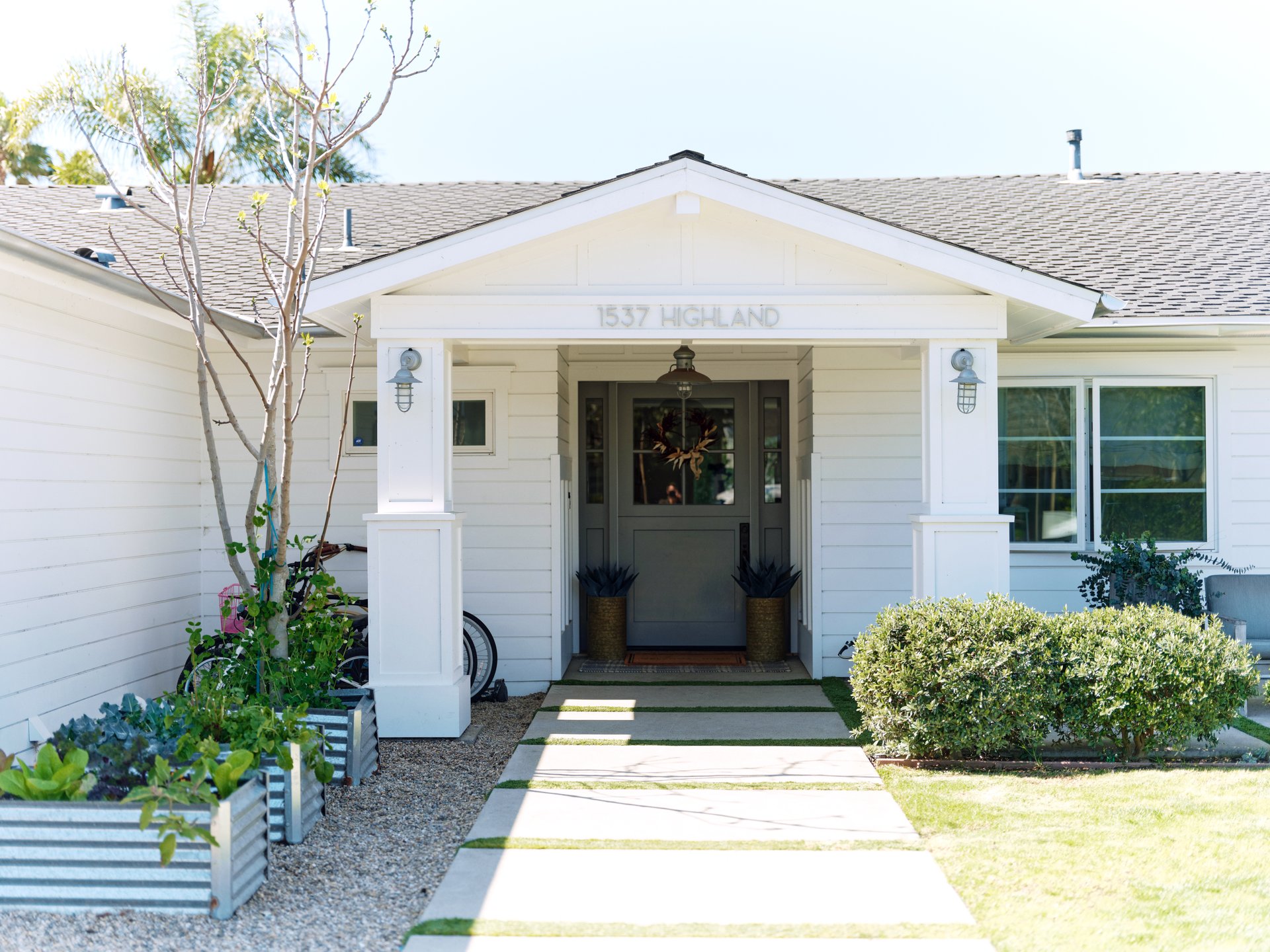
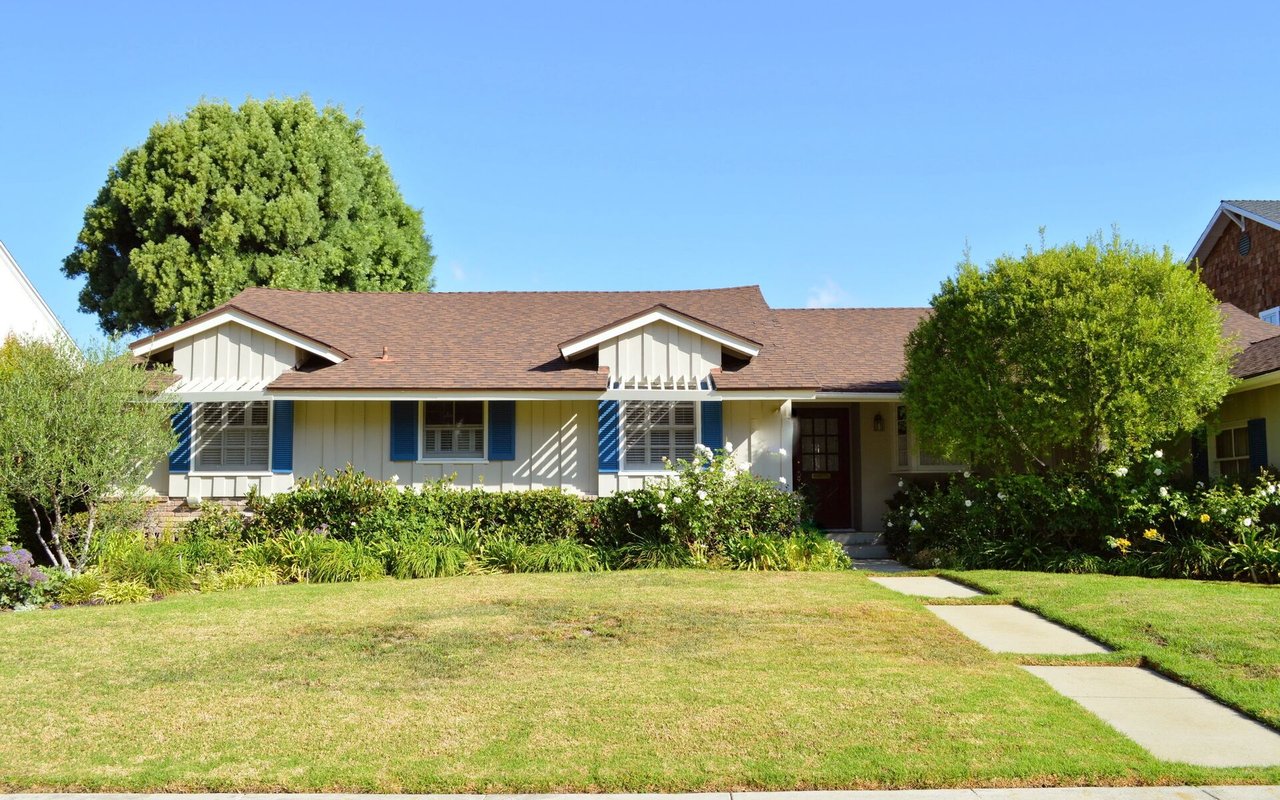
You've walked through this door thousands of times. For the next family, it'll be the first impression that decides everything.
Choosing the Next Home
The right next home depends on what you want the next chapter to look like. The downsizing options for Yorba Linda empty nesters in 2026 generally fall into six categories.
Option one is a smaller single-family home in Yorba Linda or an adjacent OC community. Many of my clients want to stay in Yorba Linda specifically to remain close to friends, established medical providers, familiar restaurants, and the church or community organization they have anchored to for decades. The right home is typically a 1,800 to 2,400 square foot single-story or single-story-with-master on the main floor, on a smaller lot, with low maintenance landscape. Yorba Linda single-stories are limited, and they command a premium, but they exist. Pricing in this segment in 2026 is roughly $1.2 to $1.6 million for the right home in the right neighborhood.
Option two is a condo or townhome in Yorba Linda, Anaheim Hills, or Brea. The condo lifestyle reduces exterior maintenance to near zero (HOA handles it), reduces square footage to 1,200 to 1,800, and reduces price to $700,000 to $1.1 million for the right unit. The trade is shared walls, HOA rules, and a different lifestyle character.
Option three is a 55+ active adult community. OC has several, including communities in Mission Viejo, Yorba Linda-adjacent, and further south in San Juan Capistrano and Laguna Woods. The amenities are extensive (clubhouses, pools, golf, organized social calendars), and the community is age-restricted, which appeals to some downsizers and not others. Pricing varies widely.
Option four is a move out of state. Texas, Arizona, Nevada, and Idaho continue to attract OC retirees in 2026 because of lower cost of living, lower (or no) state income tax, and warmer or more varied climates. The trade is leaving the network and lifestyle that has anchored your last 25+ years. Proposition 19's tax base portability does not apply across state lines, so you give up the Yorba Linda tax base.
Option five is a vacation home becoming primary, or a primary becoming vacation. Some of my clients keep a smaller Yorba Linda condo as a tether to OC and buy a primary in Palm Springs, San Diego, or further afield. The dual-residence approach has tax implications that should be modeled with a CPA before executing.
Option six is moving in with adult children or buying a multi-generational home with adult children. This is increasingly common in 2026 and works well for some families. The financial structuring (joint ownership vs life estate vs trust) deserves attorney input.
Whichever option fits your next chapter, the goal of the downsizing transaction is to land in a home that fits the life you actually want to live for the next 10 to 25 years. As your agent, my job is to help you think through the trade-offs honestly before you commit. For empty-nester clients exploring Yorba Linda specifically as the destination, the living in Yorba Linda 2026 guide and complete guide to buying a home in Yorba Linda 2026 are useful starting points.
Listing Strategy for the Yorba Linda Family Home
The listing strategy for an empty-nester downsizing home is different from the listing strategy for a typical mid-tenure home. The home tends to be in original or partially-updated condition (most longtime owners have not done a full kitchen remodel in the last decade), the lot is often premium because longtime owners bought before the best lots disappeared, and the buyer pool is overwhelmingly young families with children who will renovate.
The choice for the seller is whether to renovate before listing, sell as-is, or pursue a hybrid pre-listing prep that addresses the highest-leverage cosmetic issues without a full remodel. The right answer depends on the home's condition, the price differential between renovated and unrenovated comparable sales in the immediate Yorba Linda neighborhood, and the seller's appetite for project management during the transition.
For most Yorba Linda empty-nester sellers in 2026, the right answer is the hybrid: invest $20,000 to $80,000 in pre-listing prep that addresses the highest-leverage items (interior and exterior paint, flooring refresh or replacement in heavily worn areas, kitchen cabinet repaint and hardware, primary bath cosmetic refresh, landscape refresh, deep clean, professional staging) and skip the full kitchen and bath remodels. The hybrid approach typically yields a 8 to 15 percent price improvement over fully-as-is listing, captured at a fraction of the cost of full renovation.
The listing prep timeline for an empty-nester home is longer than for a typical home: 8 to 16 weeks for decluttering, 4 to 8 weeks for hybrid prep work, 2 to 3 weeks for staging and photography, 1 to 2 weeks for MLS launch and broker preview. Total: roughly 16 to 28 weeks from "decision to sell" to "live on MLS." That is why I tell empty-nester clients to start the process in early spring for a summer listing, not in early summer for a summer listing.
For the staging-specific playbook, the Yorba Linda 2026 home selling checklist with staging tips is the right resource. For pre-listing inspection guidance (which I recommend for almost every empty-nester home), the pre-listing home inspection guide is essential reading even though it is framed for Anaheim Hills, since the principles apply across north OC.
How Yorba Linda Downsizers Compare on Net Proceeds
The table below summarizes net proceeds for typical Yorba Linda empty-nester downsizing scenarios in mid-2026. The numbers assume a married couple filing jointly with the federal Section 121 capital gains exclusion of $500,000 fully available, original purchase prices and dates representative of longtime Yorba Linda homeowners, and sale prices reflecting mid-2026 market conditions.
Typical Yorba Linda empty-nester downsizing scenarios in 2026 with estimated net proceeds
The table is illustrative, not predictive. Actual net proceeds depend on mortgage payoff (if any), exact federal and California tax treatment, local closing cost variation, and seller-specific factors. Always run your specific numbers with a CPA before listing. As a real estate broker and licensed mortgage lender, I run a draft net sheet for every empty-nester client before we set a listing strategy, so you can see the full math, including the property tax savings under Proposition 19, before you commit.
Frequently Asked Questions About Downsizing in Yorba Linda
How does California Proposition 19 affect downsizing for Yorba Linda homeowners?
Proposition 19, effective April 1, 2021, allows California homeowners 55 or older to transfer their existing primary residence's low Proposition 13 assessed property tax value to a replacement primary residence anywhere in California, up to three transfers in a lifetime. The replacement home must be purchased or newly constructed within two years of the original sale. For longtime Yorba Linda homeowners, this typically means saving $5,000 to $12,000 per year in property tax on the replacement home compared to a full reassessment.
What is the federal capital gains exclusion on a primary residence sale?
Section 121 of the Internal Revenue Code allows homeowners who have owned and used the home as their primary residence for at least 2 of the past 5 years to exclude up to $250,000 of capital gains for single filers, or up to $500,000 for married couples filing jointly. Gains above the exclusion are taxed at federal long-term capital gains rates plus California ordinary income rates.
Can I use a 1031 exchange when downsizing my Yorba Linda home?
No. 1031 exchanges apply only to investment properties, not primary residences. The primary residence tax tool is the Section 121 exclusion (federal) and Proposition 19 (California property tax base transfer). For sellers with a mix of investment property and a primary residence, separate 1031 strategies on the investment side may be available; consult a CPA.
Should I sell my Yorba Linda home before or after I buy the next one?
For most longtime Yorba Linda homeowners with significant equity, the recommended sequence is sell-first then buy, using a leaseback or short-term housing to bridge the gap. This avoids the risk of carrying two mortgages and lets the proceeds from the original sale fund the replacement purchase. The buy-first sequence is feasible if you have liquid capital or qualify for bridge financing, but it carries more risk. A licensed mortgage lender (a service I provide alongside being a real estate broker) can help you assess which sequence is right for your financial profile.
How much does downsizing typically reduce monthly carrying costs?
For a typical Yorba Linda empty-nester moving from a 3,500 to 4,500 square foot family home to an 1,800 to 2,400 square foot single-story home or condo, monthly carrying costs (property tax, insurance, HOA, utilities, gardening, routine maintenance) typically drop from $1,800 to $2,800 down to $900 to $1,400. The combined annual savings of $10,000 to $20,000 compounds meaningfully over a 15 to 25 year retirement.
How long does it take to prepare a longtime family home for sale?
For an empty-nester home where the family has lived 20+ years, the realistic timeline from decision-to-sell to live-on-MLS is 16 to 28 weeks, including 8 to 16 weeks for decluttering, 4 to 8 weeks for pre-listing prep work, 2 to 3 weeks for staging and photography, and 1 to 2 weeks for MLS launch and broker preview. Most successful summer listings start the process in early spring.
What is the role of a senior move manager in downsizing?
A senior move manager is a professional who specializes in coordinating downsizing transitions for older homeowners, including sorting and decluttering, packing logistics, coordinating estate sales and donations, organizing the new home, and managing the move itself. They typically charge $80 to $150 per hour or work on a project basis. For empty nesters with two or three decades in the same home, a senior move manager often provides high-value support during the most challenging part of the transition.
Sitting on Yorba Linda equity? Find out what it's worth: (714) 404-8152.
Get a Yorba Linda Downsizing Plan From a Local Specialist
If you are a Yorba Linda homeowner thinking about downsizing in 2026 and you want a plan that captures the full Proposition 19 benefit, optimizes the federal capital gains exclusion, times the sale to the seasonal premium, and lands you in the right next home for your next chapter, that is exactly what I do as your Yorba Linda real estate agent at Canyon Realty.
I have lived in Yorba Linda for over 40 years, sold Orange County real estate for over 20 years, and walked many longtime Yorba Linda homeowners through the downsizing decision. I am a licensed real estate broker and a licensed mortgage lender, CA DRE# 01901810, and I run the full math (sale-side net, replacement-home affordability, Proposition 19 property tax savings, mortgage scenarios on the next home) in one integrated plan. I also have specific experience handling probate, inherited property, and trust sale listings, which often overlap with downsizing decisions in families navigating the loss of a parent or spouse.
To start, request a free home valuation for your Yorba Linda home, or call or text me at (714) 404-8152, email [email protected], or schedule a downsizing consultation through the Canyon Realty contact page. The consultation is free, there is no obligation, and you will leave with a draft net sheet, a Proposition 19 plan, a listing timeline, and a clear next step.